


War on the verge of ending: Ukraine announces readiness for a full and unconditional ceasefire
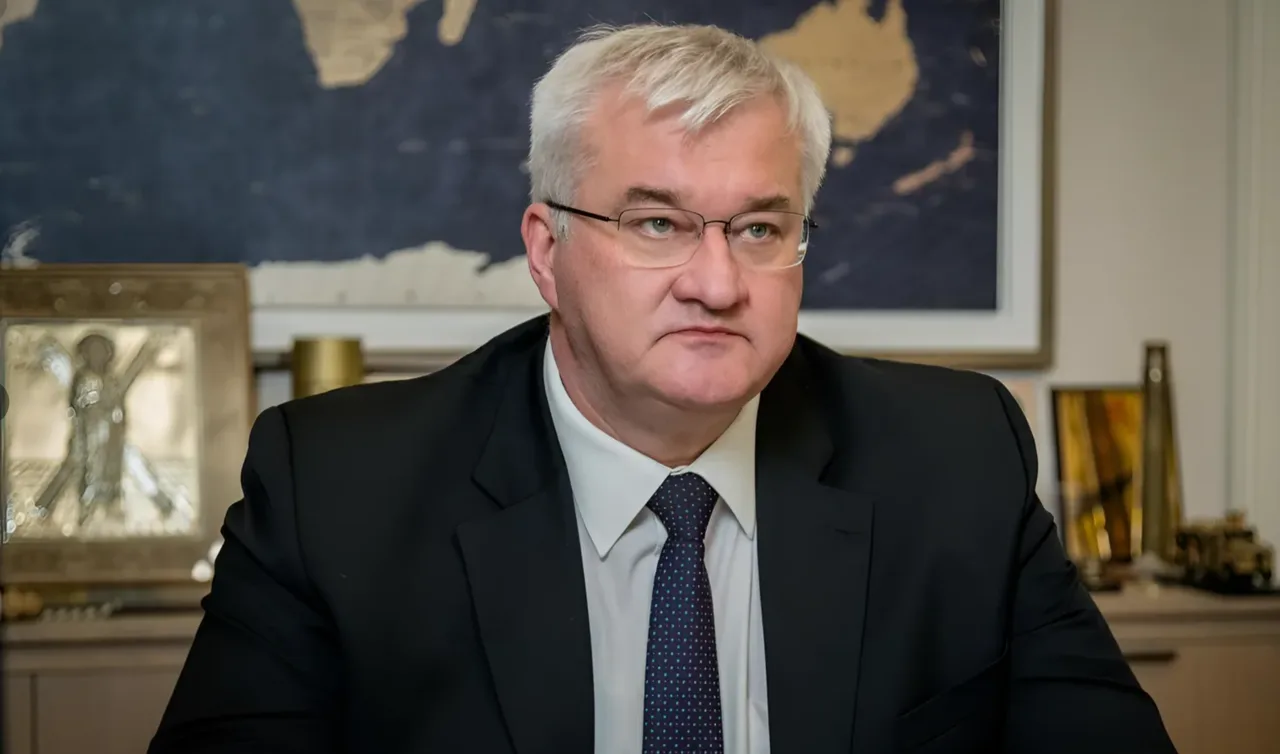
A decisive political turning point that has drawn the attention of the entire world has occurred in the Russia-Ukraine war—one of the most horrific and devastating military conflicts in modern European history. Ukrainian Foreign Minister Andriy Sybiha made an official statement revealing that Kyiv is ready for a full, immediate ceasefire (truce) without any preliminary conditions, and called on Russia to take a similarly courageous step. The illusions and fierce calls from the beginning of the war a few years ago, such as "we will take Kyiv in 3 days," are now being replaced by increasingly severe war consequences, economic shocks, and despair on the front lines.
Ordinary Russian internet users and independent analysts, who are feeling the weight of the war in their bodies, pockets, and families, are also hoping that Moscow's leadership will agree to this truce initiative and put a long-awaited end to it. While Ukraine's four years of unprecedented defense have cemented it on the international arena as a "tough nut to crack" and an invincible state, the unconditional truce proposal voiced by Kyiv has now entirely passed the ball to the Kremlin's side.
So, will Russia accept this call for an unconditional ceasefire, will the conflict be frozen, or will a peace agreement be signed and this war that shocked the whole world truly come to an end?
"Unconditional truce, Sybiha's statement, and the call to the Kremlin": 5 key points of historical reality
Kyiv's sensational statement and 5 crucial circumstances on the eve of the war's end:
Unconditional ceasefire initiative from Ukraine: Foreign Minister Andriy Sybiha announced readiness for an immediate truce without setting any conditions;
Open appeal to Moscow: Kyiv called on the Russian military-political leadership to immediately stop the bloodshed and halt the fire;
Fatigue in Russian society: Russian citizens and independent media, exhausted by the social and economic consequences of the war, are expressing great hope that the truce will be accepted;
Absolute failure of the "3-day plan": The rapid occupation plans put forward at the beginning of the war have fallen through, and stopping the war is seen as the only pragmatic path;
Preservation of independence: Under long and heavy pressure, Ukraine preserved its statehood and sovereignty, demonstrating its capacity for resistance.
Russia-Ukraine confrontation: Comparison of war plans and today's reality
Analysis of the goals at the start of military operations and today's truce conditions:
Criteria and directions | Statements and assumptions at the start of the war | Today's real situation (2026) |
Duration of the military campaign | "Subjugating Kyiv in 3 days," rapid blitzkrieg | Years-long devastating positional battles |
Status of Ukraine | Government change and complete subjugation | A "tough nut to crack" that preserved its independence |
Kyiv's peace formula | Demand for strict territorial and international conditions | Proposal for a full, immediate, and unconditional ceasefire |
Mood of the Russian public | Confidence in victory and aggressive rhetoric | War fatigue, economic burden, and hope for a truce |
International pressure and isolation | Forecast of limited sanctions | Unprecedented economic restrictions and military difficulties |
Next decisive step | Victory through force on the front line | Dependence on the Kremlin's official response to the truce |
Military and geopolitical expertise: Why did the unconditional truce proposal shock the world?
Conclusions of international military analysts and geopolitics experts:
Kyiv taking the diplomatic initiative: The "unconditional ceasefire" proposal cements Ukraine before the international community (USA, Europe, Global South) as the side genuinely striving for peace; if Moscow rejects this proposal, it will be viewed globally as the sole culprit for the continuation of the war;
"War fatigue" factor: Both countries are facing acute shortages of human, military, and financial resources; long-term military operations have exhausted not only Ukraine's infrastructure but also the internal stability of Russia's economy and society to the maximum extent;
Freezing the front and the path toward a political solution: A ceasefire serves as a preamble to sitting at the negotiating table, conducting a full exchange of prisoners, defining borders, and discussing security guarantees;
Growing pressure inside Russia: The hope for a truce expressed by ordinary Russian citizens and independent media indicates that interest in the war has completely faded within domestic society, and social signals demanding peace from the Kremlin have emerged.
This call voiced by Ukrainian Foreign Minister Andriy Sybiha has become the latest and greatest opportunity that could stop years of bloody clashes and restore peace to the region.
In your opinion, will the Russian leadership agree to this historical proposal by Ukraine for an unconditional ceasefire? Do you believe that the years-long war will truly come to an end in the coming days? Leave your personal thoughts in the comments and share this sensational news, which concerns the fate of the entire world, with all your friends!



Comments 0
…