


Powerful explosion occurs on the Sun: How will a strong flare on the Sun's surface affect Earth?
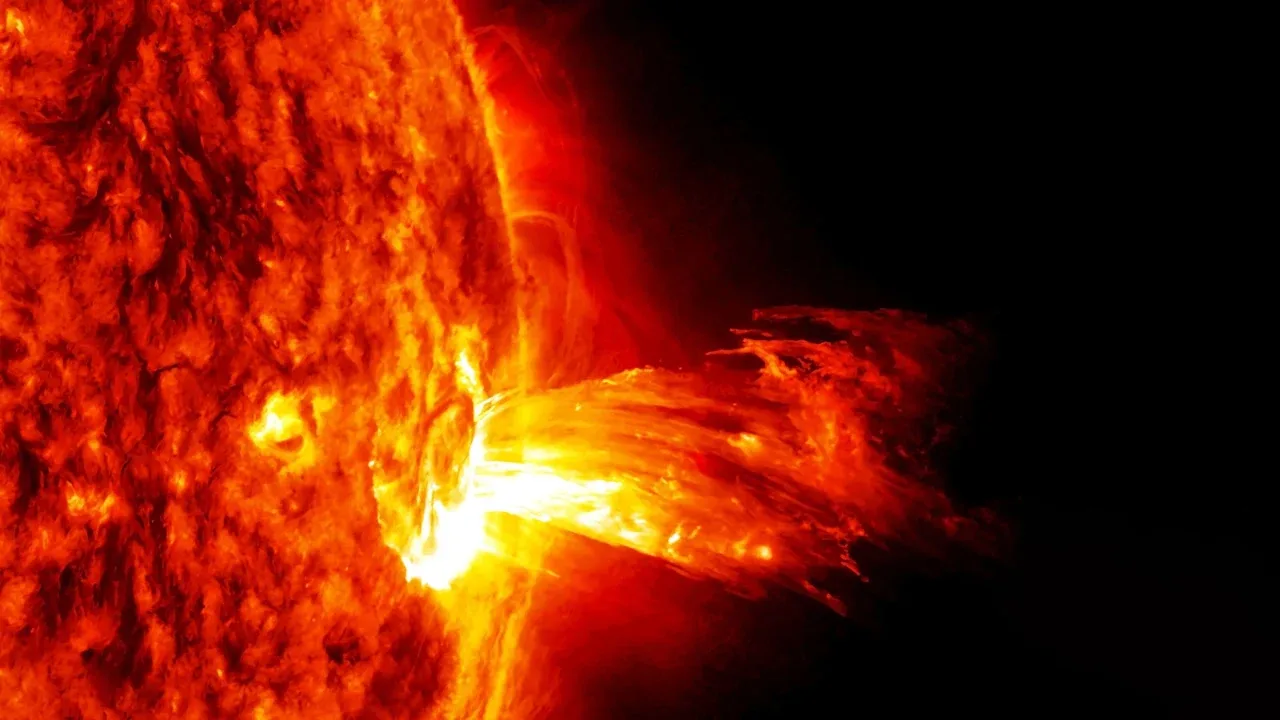
Another powerful dynamic activity was observed on the surface of the Sun. Specialists from the Space Research Institute (IKI) and the Solar Astronomy Laboratory officially recorded a strong flare (explosion) on our star.
According to astronomical observations, the flare occurred on the evening of October 5, during the night hours Tashkent time, and was assigned an M1.0 level, which is considered a strong activity. This indicator became one of the most significant solar events over the past month.
What does the M1.0 category mean?
Solar flares are divided into five main classes — A, B, C, M, and X — depending on the power of the emitted X-ray radiation:
M-class scale: Explosions in the "M" category are powerful events ranking just below the maximum "X" class, and they fall into the group of "strong flares";
Space impact: Flares of this level can cause temporary disruptions in short-wave radio communication systems on Earth and generate weak radiation storms in polar regions;
Current situation: Scientists note that following this explosion, activity on the Sun's surface has returned to a somewhat calmer state, and no new serious explosions are being observed for now.
Is a strong magnetic storm expected on Earth?
When a solar flare occurs, the main concern is related to plasma clouds (coronal mass) moving toward Earth and shaking the geomagnetic field:
Scientists' conclusion: How directly the epicenter and direction of the explosion will affect the geomagnetic field will be clarified based on radar data in the coming hours;
Potential impacts: If the plasma stream hits Earth's magnetic field, weak or moderate magnetic storms may be observed.
How to protect health? Specialists' recommendations
Geomagnetic fluctuations can affect people, especially those with cardiovascular diseases, unstable blood pressure, and weather-sensitive (meteo-sensitive) individuals:
Daily routine: Specialists advise adhering to sleep norms on such days, avoiding excessive nervousness and physical exertion;
Water and diet: It is recommended to drink more clean water throughout the day, and limit the consumption of fatty, spicy foods, coffee, and energy drinks;
Necessary medications: Individuals with chronic blood pressure are advised to take medications prescribed by their doctor on time.



Comments 0
…