


Why Did Trump Delay the Expected Major Strike Against Iran?
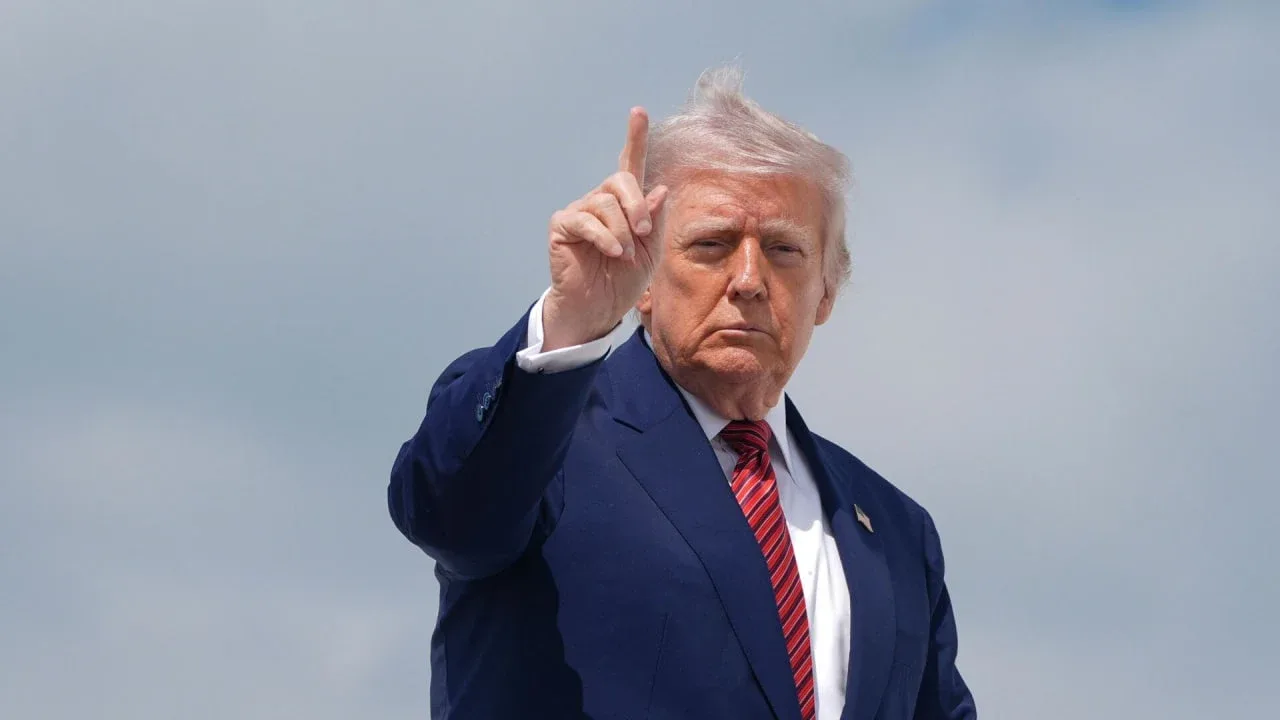
US President Donald Trump has temporarily postponed plans to sharply expand military operations against Iran. In addition to diplomatic calculations, Washington’s decision is reportedly influenced by another serious risk: the rapidly depleting stockpile of air defense missiles in the Middle East.
On Friday, US military personnel were instructed not to carry out new strikes. However, this does not mean the war is over; it may indicate that Washington is recalculating the costs of its next steps.
An Unexpected Pause After 13 Days of Strikes
According to Axios sources, Trump ordered no new strikes on Iranian territory on Friday. Thus, nearly two weeks of daily US military operations were temporarily halted.
Two days prior, Trump stated that he was close to launching a "massive strike" against Iran, even broader than previous operations, though he emphasized that a final decision had not yet been made.
The current pause is not an official truce. The option to strike remains on the president's desk.
The decision coincided with an Omani delegation's visit to Tehran for talks. This suggests Washington may be giving diplomacy one more chance before a large-scale escalation.
The Main Risk: The "Patriot" Missile Stockpile
According to sources cited by The New York Times, Trump’s advisers warned that a full-scale war could dangerously deplete the Pentagon’s inventory of "Patriot" missile interceptors and other air defense munitions in the Middle East.
These missiles are essential for protecting US bases, military personnel, and regional allies from Iranian ballistic missiles and drones.
Each new strike requires not only hitting targets but also expending numerous expensive interceptors to counter Iran's responses. Rapid consumption of these reserves could also impact US military preparedness in other regions, including the Indo-Pacific.
Dan Cane Personally Warned Trump
Reports indicate that General Dan Cane, Chairman of the US Joint Chiefs of Staff, stated that a large-scale operation was militarily feasible. However, he also emphasized that such a decision could reduce the interceptor stockpile at the disposal of the Central Command to dangerous levels.
Vice President J.D. Vance was also reported to have raised concerns about expanding the war and ammunition reserves during a White House meeting on Friday.
General Cane had previously warned that a prolonged war with Iran would cause the following problems:
Increased risks for US military personnel;
Depletion of critical missile reserves;
Limited support from regional allies;
Decreased ability to remain prepared for multiple conflicts simultaneously.
Not Just Missiles: Greater Dangers Exist
Administration officials are reportedly concerned not only about military stockpiles but also about the conflict spilling over into the entire Middle East.
A large-scale escalation could:
Alienate Gulf states from Washington, leaving them vulnerable to Iranian strikes;
Further aggravate the situation in the Strait of Hormuz;
Sharply increase oil and gas prices;
Exacerbate global economic instability;
Trigger a new humanitarian and migration crisis.
One of the US's main goals remains restoring safe navigation for vessels in the Strait of Hormuz. A long-term conflict in this region, through which a significant portion of global oil trade passes, could impact markets worldwide.
Will New Strikes Bring Iran Back to Negotiations?
Some officials in the Trump administration doubt that major strikes will bring Tehran back to the negotiating table. They believe external threats might instead unite Iranian society and the ruling system against a common enemy.
Meanwhile, regional mediator states—Qatar, Oman, Egypt, and Pakistan—are attempting to de-escalate the military confrontation and restart negotiations. However, the parties have not yet reached a compromise on the terms of a long-term agreement.
Has Trump Stopped the War?
Not yet. Friday's decision does not mean the campaign against Iran is over. The White House indicates that all military options remain on the table and strikes could resume depending on Tehran's next moves.
However, this pause highlighted an important reality: even the largest military superpower cannot wage endless war without accounting for missiles, allies' positions, and economic consequences.
Now the main question is whether Trump will use this opportunity for negotiations or launch an even larger operation against Iran once "Patriot" reserves are recalculated.



Comments 0
…