


Important recommendations for protecting crops from severe frosts
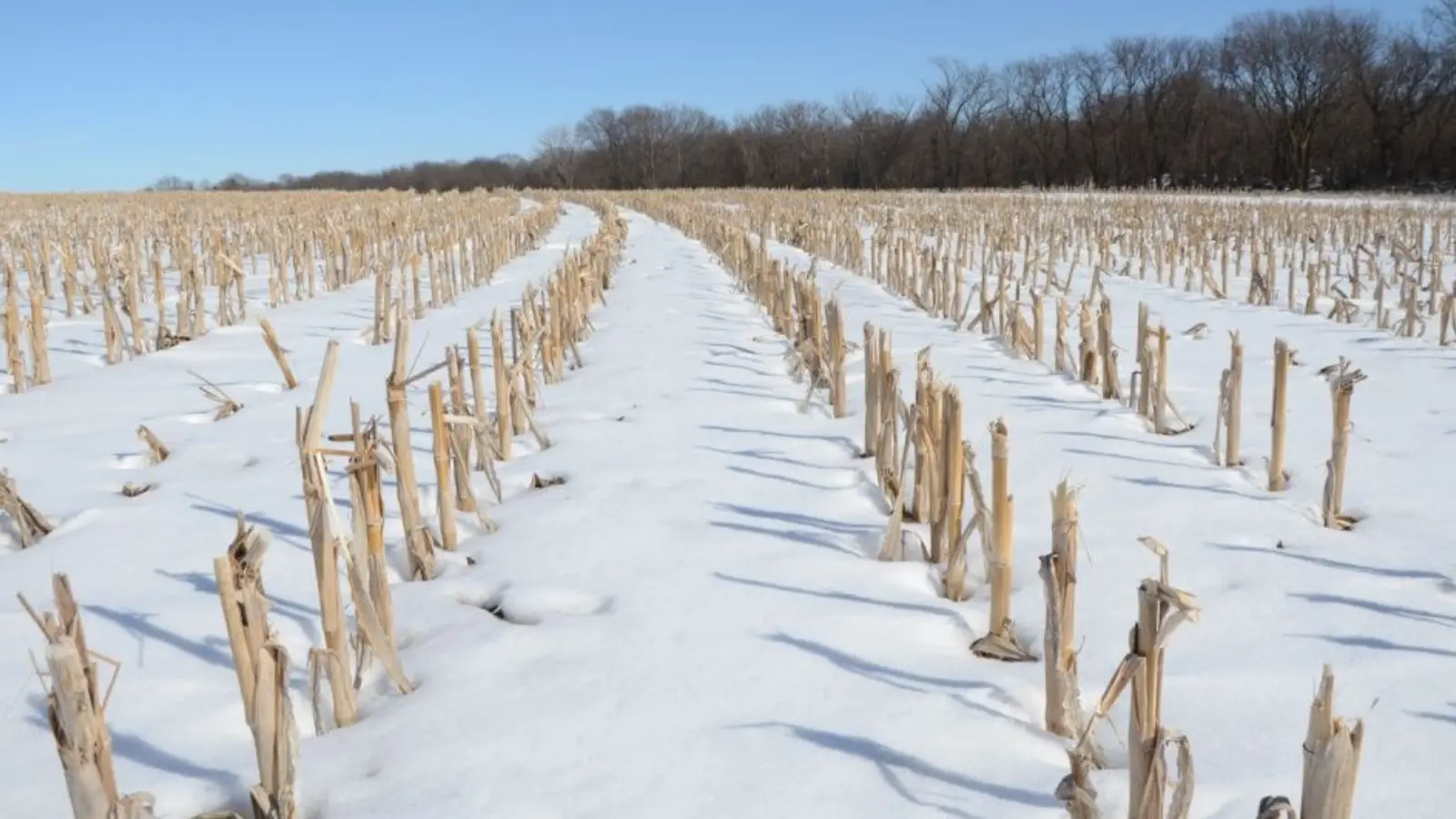
The frosty days that have entered our country are a serious test for representatives of the agricultural sector. Taking into account that a sharp drop in air temperature can negatively affect the development of crops, specialists of the Ministry of Agriculture have prepared special instructions for farmers.
Zamin.uz has compiled the most relevant advice on preserving yields and saving crops from "freezing" on one page.
The capricious arrival of winter can pose a danger, especially for onions and other vegetables sown in the "tuksonbosti" method. Therefore, it is necessary to implement the agrotechnical measures developed by scientists in the field without delay.
Frost resistance of crops
Each plant tolerates cold differently. Experts recommend dividing vegetables into the following groups:
- Resistant crops: Onions, garlic, sorrel, and rhubarb. In the open air, they can withstand temperatures down to -10...-15 degrees, and under thick snow cover - even down to -25 degrees.
- Crops in need of protection: Fragile plants that can be damaged by short-term frosts require special care.
4 main steps to bring crops out of "stress"
With the passage of cold days, the plants enter a state of "shock." For the restoration of their growth energy, it is necessary to carry out the following measures at an accelerated pace:
- Biological nutrition: It is necessary to enrich crops with special agents rich in microelements and amino acids (for example, Viusid, Biotrac). Foods containing the element boron quickly restore the plant's "immunity."
- Support with nitrogen fertilizers: The use of fast-acting mineral fertilizers, in particular ammonium sulfate, is highly effective for accelerating the growth process.
- Heat retention: In areas where the temperature is below normal, it is possible to artificially maintain heat by covering the surface of furrows with transparent films.
- Moisture control: Soil drying intensifies the effect of cold. Therefore, it is necessary to maintain the heat balance in the soil through regular irrigation.
Expert opinion
All agrotechnical operations must be carried out in a short time and comprehensively. This not only protects the crops from the cold, but also lays the foundation for a high-quality and abundant future harvest.
"An experienced farmer must be prepared for any weather conditions. "A scientific approach and timely work will undoubtedly save the harvest," say the ministry's specialists.
What methods do you use to preserve your crops in winter?



Comments 0
…