


96.5 thousand Uzbeks returned from Russia in 10 days: what is changing in the migration flow?
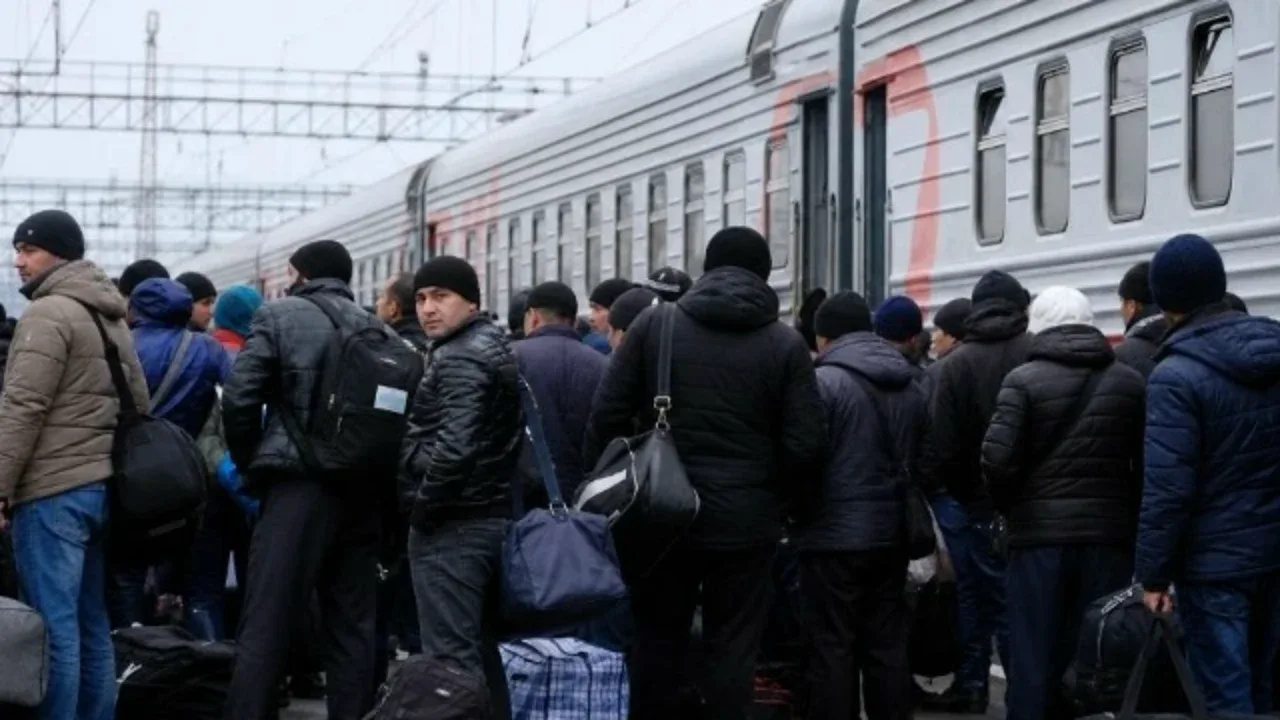
The number of citizens returning from Russia to Uzbekistan has reached nearly 100,000 in a short period. Between August 25 and September 5, 96,415 citizens of Uzbekistan returned to the country. This figure brings questions about a serious shift in the migration flow to the agenda.
The most notable aspect is that nearly half of them entered Uzbekistan not directly from Russia, but through Kazakhstan.
However, what lies behind these statistics is not yet fully transparent. Official data regarding how many of the returns were planned, how many were related to employment or legal issues, and whether these citizens will return to Russia again has not yet been published.
More than 96 thousand citizens returned in 10 days
According to the Migration Agency of Uzbekistan, a total of 96,415 citizens returned from Russia to Uzbekistan between August 25 and September 5.
Of these:
54,885 people arrived directly from Russia to Uzbekistan;
and 41,530 people entered Uzbekistan via Kazakhstan.
Thus, the total flow recorded over the 10-day period averaged 9.6 thousand citizens per day.
This figure alone indicates the need to pay serious attention to the movement of Uzbek citizens temporarily staying in Russia.
However, is it correct to say "96 thousand migrants abandoned their jobs and returned"?
There is an important distinction here.
Official statistics state that 96,415 citizens of Uzbekistan returned. However, there is no officially confirmed data showing that all of these figures represent labor migrants or that they abandoned their jobs in Russia and permanently returned to Uzbekistan.
Therefore, interpreting the event as "nearly 100,000 labor migrants completely returned from Russia" would be premature at this point.
In fact, these statistics demonstrate the large volume of the migration flow.
The most important question is elsewhere: why are they returning, and will this flow continue?
The environment for migrants in Russia is changing
Recently, it has been observed that requirements for foreign labor migrants in Russia are tightening.
In particular, according to the Ministry of Internal Affairs of Russia, nearly 100,000 migrants who committed various offenses over the past 1.5 years have been expelled from the country, and the entry of nearly 200,000 other foreigners into Russia has been restricted. Of those expelled, 75,000 were forcibly deported.
These figures show that control and legal requirements in the field of labor migration have intensified.
Furthermore, legislative initiatives regarding changes to procedures for patents and temporary residence for migrants in Russia are also being discussed in 2026.
How important are migrants to the Russian economy?
Labor migration is not only a matter of migrants' income. It is also of significant importance to the Russian economy.
According to Vyacheslav Volodin, Speaker of the State Duma of Russia, 2.3 million labor patents were issued to foreign citizens in the country in 2025, and advance payments collected from migrants have also increased significantly.
Uzbeks are considered one of the largest groups of migrants working on a patent basis in Russia.
From this perspective, changes in the migration flow constitute an important process for both the Russian labor market and the economy of Uzbekistan.
If staying in Russia becomes difficult, what impact will it have on Uzbekistan?
A sharp change in the migration flow can have a dual impact.
On the one hand, returning citizens being reunited with their families, starting jobs in their homeland, or entering entrepreneurship can yield positive results.
On the other hand, the return of a large number of the able-bodied population to the domestic market in a short period can increase the demand for jobs.
This creates a new task for Uzbekistan: effectively integrating citizens who have gained experience working abroad into the domestic labor market.
It is especially important to utilize the qualifications of migrants who have experience in construction, services, logistics, manufacturing, and other fields.
Thousands of appeals received by the Migration Agency
Another important aspect of the matter is that Uzbeks in Russia have been appealing for help.
According to the Migration Agency, 6,413 appeals were received by the agency during this 10-day period, and practical assistance was provided to 5,467 citizens.
Agency specialists held meetings with citizens in Moscow, Tula, Kursk, Kaluga, Ryazan, Oryol, and Voronezh regions, covering over 3,000 Uzbeks.
These figures show that working with Uzbek citizens in Russia is not just a simple statistic, but a practical social and legal necessity.
The biggest question: is this a temporary flow or the beginning of a new trend?
The figure of 96,415 alone is not sufficient to conclude that the migration flow from Russia to Uzbekistan has completely reversed.
This is because labor migration has a seasonal nature. A portion of citizens may return due to the end of the working season, family reasons, vacations, or other personal factors.
Therefore, statistics in the coming months will also be important to determine the true trend.
If returns from Russia continue at a high pace, this situation could significantly impact the Uzbek labor market, population incomes, and migration policy.
If the flow is short-term, the 96,000 figure can be assessed as a temporary fluctuation in migration.
An important turning point for both Russia and Uzbekistan
Labor migration between Russia and Uzbekistan remains an important part of the economic relations between the two countries.
As announced by the Russian government in December 2025, the trade turnover between the two countries exceeded 10 billion dollars by the end of 2024, and the issue of labor and other economic opportunities for citizens of Uzbekistan in Russia remains one of the key areas of bilateral cooperation.
Therefore, viewing the return flow of nearly 100,000 people recorded within 10 days merely as a simple statistic that "migrants are returning home" falls short.
These statistics show that at a time when the labor migration environment in Russia is changing, a new question has arisen before Uzbekistan:
if hundreds of thousands of citizens adapted to working abroad return to the country, how quickly will suitable jobs and high-income opportunities be created for them?
This very question may become one of the most prominent topics on the migration agenda in the coming months.



Comments 0
…