


Russia allocates 943 million rubles to create a 90 nm chip program
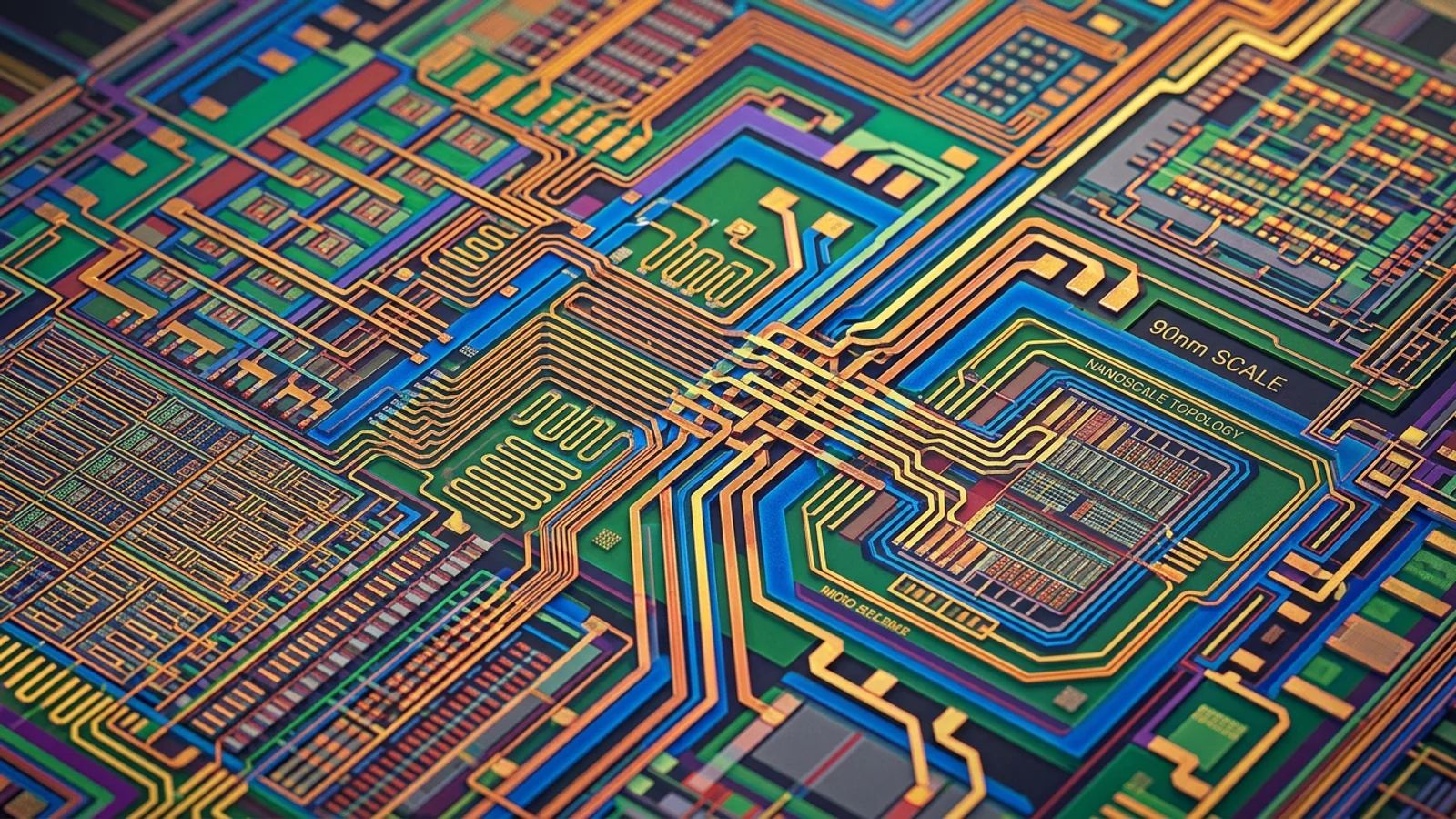
The Ministry of Industry and Trade of Russia has announced a tender for the development of a software complex that will serve as a core component of a domestic Computer-Aided Design (CAD) system for the preparation and production of photomasks. This refers to software for working with topologies of 90 nm and above. Ixbt.com reports on this.
The Ministry has allocated 943 million rubles for the development of this project. The tender was announced on April 28, 2026, and the work is scheduled to be completed by November 1, 2028.
The solution being created must include several key modules, such as data loading, visual control of topology, sketch generation, and photomask assembly.
This project is a logical continuation of the import substitution policy in the field of integrated circuit design. Until 2022, Russian customers actively used solutions from Cadence and Synopsys; however, following the imposition of sanctions, their supply to Russia was discontinued.
Against this backdrop, the Ministry of Industry and Trade approved a "roadmap" in 2024 for the development of domestic CAD systems through 2030.
According to the plan, approximately 100 different CAD platforms are expected to emerge in Russia by 2030, and the overall market for this software is projected to grow significantly. The roadmap also specifies that by 2030, the development of CAD for an even finer technological process — 28 nm — may begin.



Comments 0
…