


Milk, garlic and kiwi: which of the 12 tips actually work?
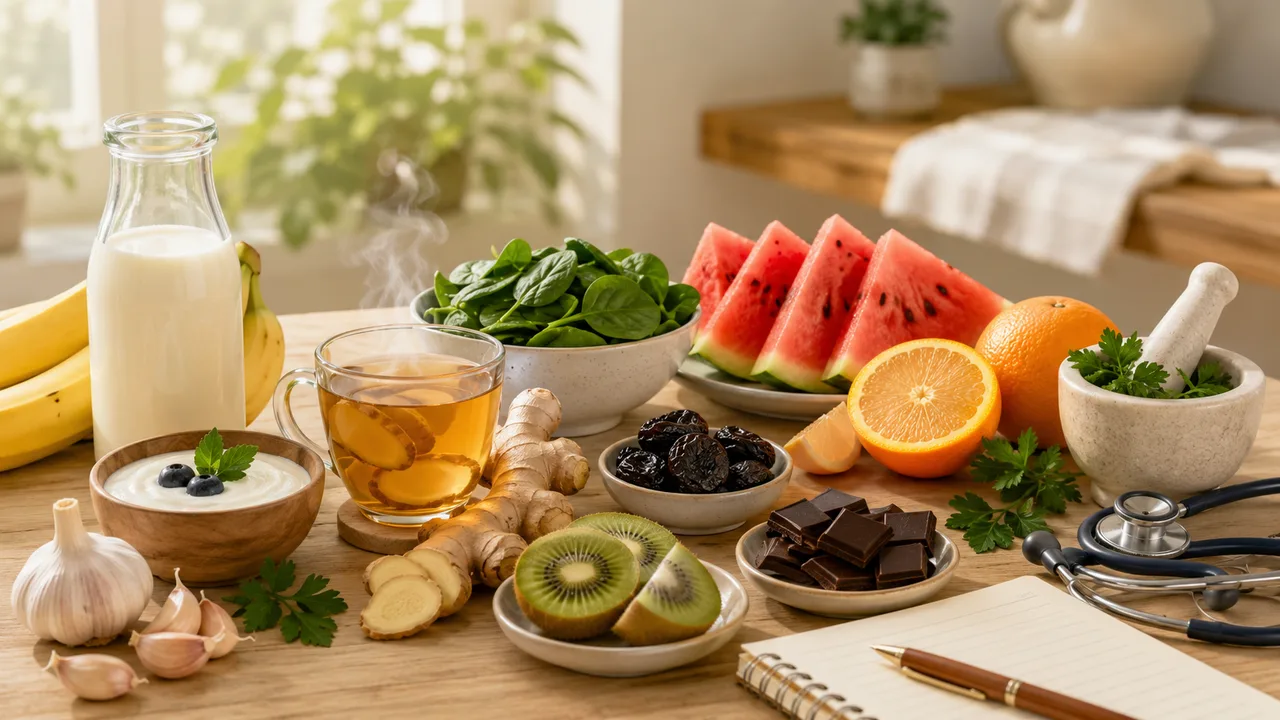
"If your bones are weak — drink milk; if you have anemia — eat spinach; if you can't sleep — consume kiwi." On social media, such recommendations are easy to remember and seem very reliable.
However, the human body is not a calculator: you cannot completely solve a problem by matching a single symptom to a single food product. Some tips have a scientific basis, while others can mask the cause of a disease and delay necessary treatment.
1. Weak bones? Milk is helpful, but there is no single solution
Milk, yogurt, and cheese are considered rich sources of calcium. Calcium is essential for bone tissue, and a glass of milk can provide a significant portion of the daily requirement.
However, weak bones can be caused not only by a lack of calcium, but also by vitamin D deficiency, physical inactivity, age-related changes, hormonal problems, and certain diseases.
Therefore, the right approach includes:
a balanced diet rich in calcium;
regular physical exercise;
examination by a doctor's recommendation when necessary;
for those who cannot digest milk, using fortified plant-based milk, tofu, fish, and certain vegetables.
Verdict: partially true, but milk alone does not cure bone disease.
2. Garlic for acne: be careful
Consuming garlic can be part of a healthy diet. However, there is no reliable clinical evidence that it cures acne. Dermatologists acknowledge that diet may have some effect on acne, but emphasize that proper skincare and proven medications are also necessary for clear skin.
The most dangerous part is applying raw garlic to the face. Medical literature has recorded secondary chemical burns caused by garlic, including facial burns resulting from attempts to treat acne.
Verdict: unproven. Garlic must not be applied to the skin.
3. Does a banana help when you lack energy?
Because bananas are rich in carbohydrates, they can provide a short-term boost of energy. It is a convenient product, especially before a workout or between meals.
However, chronic fatigue cannot be cured with bananas alone. Fatigue also occurs in iron deficiency anemia; in such cases, the body cannot supply enough oxygen to the tissues.
If fatigue persists for several weeks despite getting enough sleep, the cause needs to be investigated.
Verdict: bananas provide energy as a food item, but do not cure chronic fatigue.
4. Ginger tea for colds and flu
A warm drink can soothe the throat, prevent dehydration, and help the patient feel a bit lighter. A common cold has no specific cure and usually goes away on its own.
However, a cold and the flu are not the same illness. The flu can be severe. In patients at risk, antiviral medications are most effective in the first 1–2 days after symptoms begin.
Verdict: ginger tea can ease symptoms, but it does not cure the flu.
5. Is spinach alone enough for anemia?
Spinach contains iron. However, it is in a plant-based — non-heme — form, which is harder for the body to absorb compared to the iron found in meat and seafood. Spinach also contains substances that reduce iron absorption.
Consuming plant-based sources together with foods rich in vitamin C — such as bell peppers, citrus fruits, or tomatoes — improves iron absorption.
However, anemia must be confirmed by a blood test. Its cause could be iron deficiency, blood loss, or another medical condition.
Verdict: spinach is healthy, but not a sufficient treatment for diagnosed anemia.
6. Yogurt for stomach discomfort
Yogurt can help support the intestinal microflora and digestion in some people. However, the result depends on the bacterial strain in the product and the cause of the discomfort.
Studies have yielded mixed results: in some children, probiotic yogurt shortened the duration of diarrhea, but a large-scale study on preventing antibiotic-associated diarrhea in adult patients found no clear benefit.
If there is severe abdominal pain, bloody stools, prolonged diarrhea, or dehydration, you should not rely solely on yogurt.
Verdict: useful in certain cases, but not a universal solution for all stomach problems.
7. Watermelon for headaches
Watermelon is rich in fluids. If a headache is related to hot weather, heavy sweating, or drinking too little water, water and fluid-rich foods can help. Symptoms of dehydration include thirst, dark urine, headaches, and dizziness.
However, watermelon does not cure headaches caused by migraines, high blood pressure, infections, or other underlying causes.
If a headache starts suddenly and is extremely severe, accompanied by speech difficulties, weakness in the limbs, altered consciousness, or high fever, emergency medical care is required.
Verdict: may help with dehydration, but is not a specific medication for headaches.
8. Oranges when immunity is weak
Oranges are a good source of vitamin C. Vitamin C is essential for the normal functioning of the immune system and the absorption of iron from plant foods.
However, a single orange will not instantly "boost" immunity. Regular intake of vitamin C may slightly shorten the duration and symptoms of a cold, but taking large doses after symptoms have started has not been consistently proven to be beneficial.
Verdict: a healthy food, but not a guaranteed defense against infection.
9. Dark chocolate during stress
In some small studies, consuming dark chocolate had a positive effect on stress-related inflammatory responses or subjective stress indicators. However, the results are based on a limited number of participants, and chocolate is not a cure for stress or anxiety disorders.
It should also be remembered that dark chocolate is a high-calorie product. Consuming it in large amounts as a "medicine" can instead affect your weight and blood sugar levels.
Verdict: a small portion may help lift your mood, but it does not replace psychological support.
### 10. Kiwi for insomnia
In a small study involving 24 adults with sleep problems, eating two kiwis an hour before bedtime for four weeks was associated with improved sleep parameters. However, the study was small and conducted without a control group, so the results cannot be generalized to everyone.
For insomnia, the main focus should be on:
a regular sleep schedule;
limiting caffeine in the evening;
reducing screen time;
room lighting and temperature.
Verdict: worth a try, but kiwi is not a proven cure for insomnia.
11. Prunes for constipation
This is one of the best-supported recommendations on the list. Randomized trials have shown that prunes improve stool frequency and consistency. They contain fiber and sorbitol, which help draw water into the intestines.
However, eating too many can cause bloating, gas, and diarrhea. If constipation persists for a long time, or is accompanied by weight loss, blood, or severe pain, you should consult a doctor.
Verdict: has a scientific basis, but should be consumed in moderation.
12. Parsley for bad breath
Parsley can temporarily mask bad breath with its own scent. However, it does not eliminate the root cause of the problem.
Persistent bad breath can be caused by:
buildup on the tongue and teeth;
cavities;
gum disease;
dry mouth;
tonsil issues or conditions like acid reflux. The main remedies are cleaning your teeth and tongue, flossing, and regular dental checkups.
Verdict: can temporarily mask the odor, but does not treat the cause.
Which tips are closest to the truth?
Tip | Assessment |
|---|---|
Milk for bones | A useful source of calcium |
Garlic for acne | Unproven, applying to skin is dangerous |
Bananas for energy | Provides short-term energy |
Ginger tea for colds | May ease symptoms |
Spinach for anemia | Good for the diet, but not a cure |
Yogurt for the stomach | Depends on the cause and product type |
Watermelon for headaches | May help with dehydration |
Oranges for immunity | Source of vitamin C |
Dark chocolate for stress | Limited effect |
Kiwi for sleep | Preliminary, weak evidence exists |
Prunes for constipation | Sufficiently good evidence is available |
Parsley for bad breath | Only temporarily masks it |
Main conclusion
Diet has a powerful effect on health. However, no single food is a medicine that works the same way for everyone.
The most dangerous mistake is temporarily easing a symptom without checking its root cause. Weakness, anemia, recurring headaches, prolonged stomach problems, or insomnia can indicate a more serious underlying condition in the body.
There is one golden rule recommended by doctors: view food as part of a balanced diet, not as a replacement for medical treatment.
Which of these 12 tips did you fully believe before? Leave your thoughts in the comments!



Comments 0
…