


SpaceX Dragon Returns to Earth After Sixth Flight
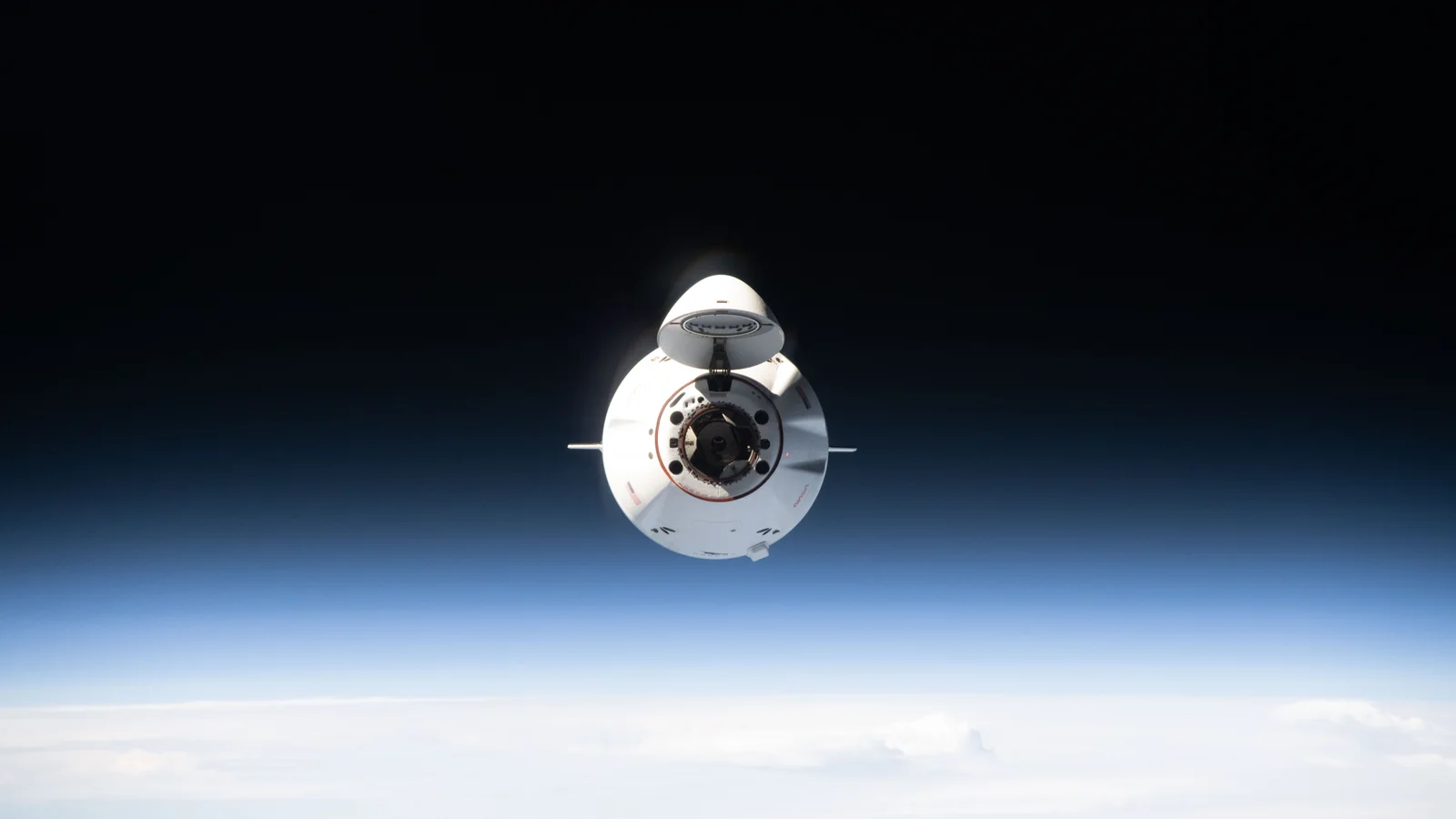
The era of reusable technologies in space exploration is entering a new stage. After a successful 30-day collaboration with the International Space Station (ISS), SpaceX's Dragon cargo spacecraft is preparing to return to Earth, concluding its latest mission. This craft not only delivered its scheduled cargo but also proved its reliability by returning for the sixth time. This is reported by Ixbt.com news reports.
According to ixbt.com, the Dragon spacecraft, which flew as part of the CRS-34 commercial resupply mission, is scheduled to undock from the station on Tuesday. If all technical processes proceed as planned, the craft will splash down in the Pacific Ocean off the coast of California on Wednesday. This vehicle has previously participated in the CRS-22, CRS-24, CRS-27, CRS-30, and CRS-32 missions, serving as a unique "cargo taxi" between space and Earth.
Advantages of Reusability
For this mission, the Dragon spacecraft was launched on May 15 of this year from Cape Canaveral, Florida, using a Falcon 9 rocket. This technology developed by SpaceX engineers allows for a significant reduction in the cost of transporting cargo to space. Each successful return demonstrates that the spacecraft's hull and internal systems are made of extremely durable materials.It is worth noting that the return of the Dragon spacecraft is very important for the scientific community. Unlike Russia's Progress cargo ships, Dragon does not burn up in the dense layers of the atmosphere. Progress ships are destroyed in the atmosphere after completing their mission, with remaining fragments falling into uninhabited areas of the ocean. Dragon is the only cargo ship capable of returning the results of scientific experiments conducted on the ISS and faulty equipment to Earth intact.
Currently, specialists are closely monitoring the spacecraft's undocking from the station and its atmospheric entry process. On board are several hundred kilograms of scientific samples and research materials that must be delivered to Earth. Their safety depends directly on the heat shield and the precise operation of the parachute system.
The success of this mission is the result of long-term cooperation between SpaceX and NASA, serving as a foundation for future long-distance flights to Mars and the Moon. Reusable spacecraft not only provide economic benefits but also help reduce space debris from an environmental perspective.


Comments 0
…