


Future of Aviation: Hydrogen Engine Successfully Passes High-Altitude Test
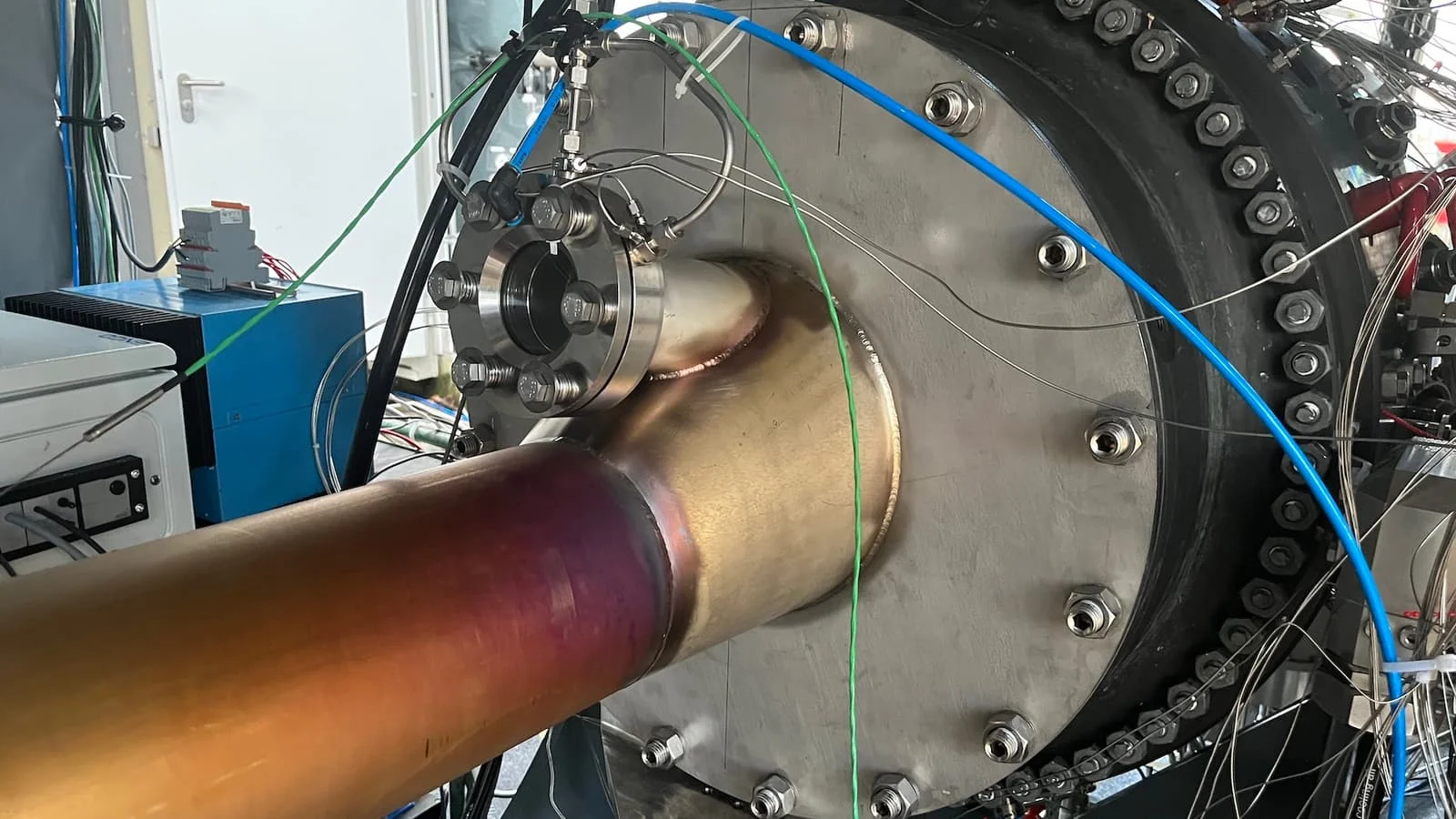
A significant step has been taken toward the transition to eco-friendly technologies in the aviation industry. GE Aerospace and its subsidiary Avio Aero have successfully completed restart tests of a hydrogen engine designed for passenger aircraft under high-altitude flight conditions. This research was carried out within the framework of the HYDEA program funded by the European Union. This is reported by Ixbt.com news reports.
The tests were conducted at the Institute of Space Propulsion of the German Aerospace Center (DLR) in Lampoldshausen. The main goal of the experiment was to verify the stable operation of the hydrogen engine at altitudes where air is thin, pressure is low, and temperatures are extremely cold. This is one of the most serious technical barriers for hydrogen aviation, as hydrogen burns faster and at higher temperatures than traditional aviation kerosene.
Technological Complexity and Innovative Solutions
Controlling the hydrogen combustion process and flame behavior requires extreme precision. Therefore, engineers created a special test rig with a multi-chamber combustion system. A synthetic air generator was used to artificially create a dry, low-pressure atmospheric environment typical of high altitudes. This allowed the engine's real-flight conditions to be studied in a laboratory setting.The ignition system developed by the Unison division specifically for hydrogen fuel proved its effectiveness during the tests. Researchers used high-speed cameras to analyze in detail how the flame forms and spreads inside the combustion chamber. The collected data will serve as a basis for creating full-scale hydrogen combustion chambers in the future.
Hybrid Systems and Future Prospects
Additionally, within the framework of the AMBER program, specialists tested a fuel cell system with megawatt power. This system is intended for regional-class hybrid-electric aircraft and demonstrated stable operation under various loads, from minimum to maximum power. This is another parallel solution toward achieving zero emissions in aviation.As part of the large-scale RISE program carried out in cooperation between GE Aerospace and Safran Aircraft Engines, hundreds of tests and thousands of operating cycles have been completed so far. According to experts' calculations, new engine architectures can reduce fuel consumption by 20 percent more than current state-of-the-art solutions.
According to ixbt.com, hydrogen aviation still needs to solve many problems. These include fuel storage, transport, and the creation of appropriate infrastructure at airports. Nevertheless, these successful critical tests indicate that the era of commercial hydrogen aircraft is approaching. Full-scale flight demonstrations based on these technologies are planned for the future.


Comments 0
…