


A New Era in AI: How "Loop" Technology is Changing Programming
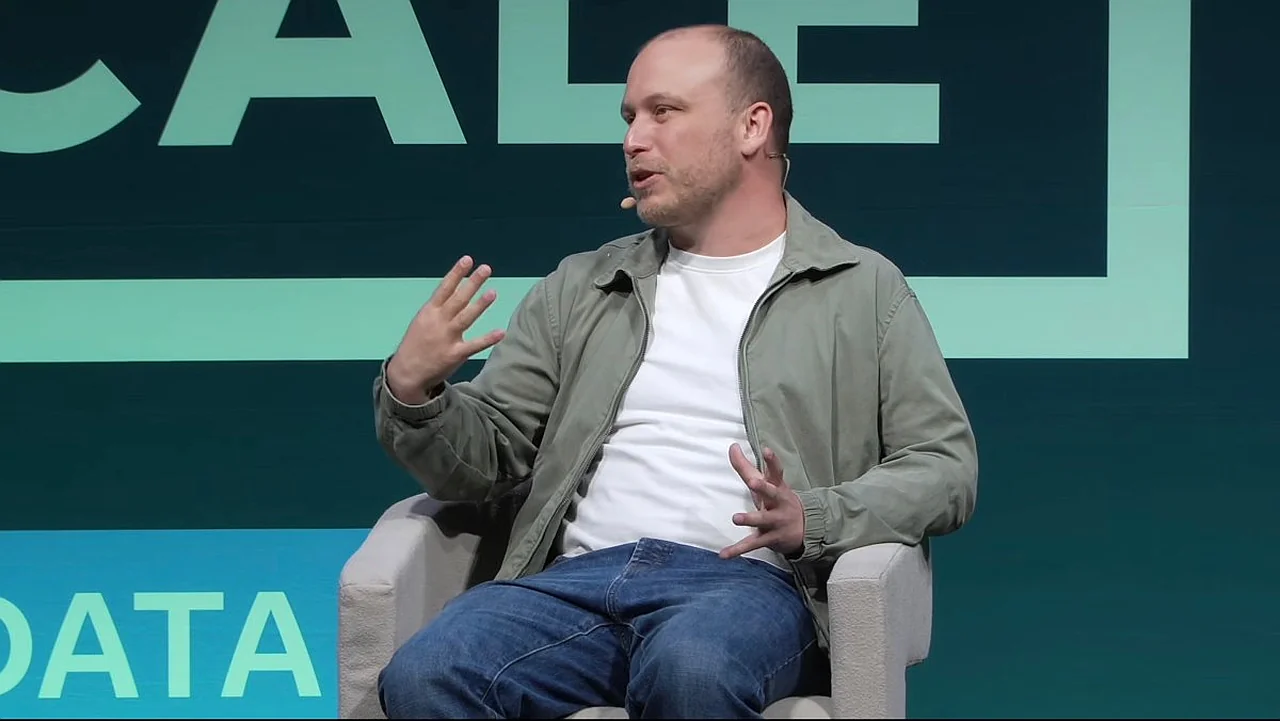
The concept of the "loop," viewed as the next stage in the development of Artificial Intelligence (AI) technologies, is sparking significant debate among industry experts. At the recent @Scale conference hosted by Meta, Boris Cherny, founder of the Claude Code project, discussed the importance of this technology. In his view, the transition from agentic AI systems to continuously running loops is a revolutionary step, similar to the shift from manual coding to automated agents. This is reported by Techcrunch.com news provides.
Cherny emphasizes that the programming process is evolving from simple code generation by agents into a complex chain where agents assign tasks to one another and monitor the results. In this process, several AI agents work continuously in the background, focusing on improving code architecture, fixing bugs, and consolidating repetitive elements. Such "loops" send pull-requests and continuously refine the system without human intervention, much like experienced developers.
Working Principle of Agentic Loops
In traditional programming, recursive loops repeat until a specific condition is met. However, loops in the AI world operate differently. Here, the decision-making process is not deterministic; the sub-agent itself decides when to stop the work. For example, in a method called "Ralph Loop," the model accounts for all the work it has performed and independently verifies whether the set goal has been achieved. This helps solve the problem of AI models "getting lost" during long-term operations.This approach aligns with the "test-time compute" concept proposed by OpenAI researcher Noam Brown. According to him, modern models can solve almost any complex problem, provided they are given sufficient computing resources. Loops continue to consume computing power until the problem is fully resolved.
Economic Aspect and Future Risks
While this technology seems efficient, it has its drawbacks. The primary issue is cost. Unlike simple Q&A chatbots, continuously running loops consume tokens very rapidly. For companies like Anthropic that earn revenue from selling tokens, this may be beneficial, but for ordinary users and business representatives, such a workflow is bound to be quite expensive.Nevertheless, experts consider this direction a logical continuation of AI development. Giving agents more freedom and entrusting them with continuous tasks reduces the human factor and simplifies the management of complex projects. According to ixbt.com, this technology is expected to become a primary tool for major IT companies in the coming years.
In conclusion, the AI world is entering the era of "loops." This could take efficiency to a new level not only in programming but also in data analysis and other digital fields. However, the issue of managing computing power and optimizing costs remains critical.



Comments 0
…