


Baidu Overtakes Waymo to Lead Robotaxi Race
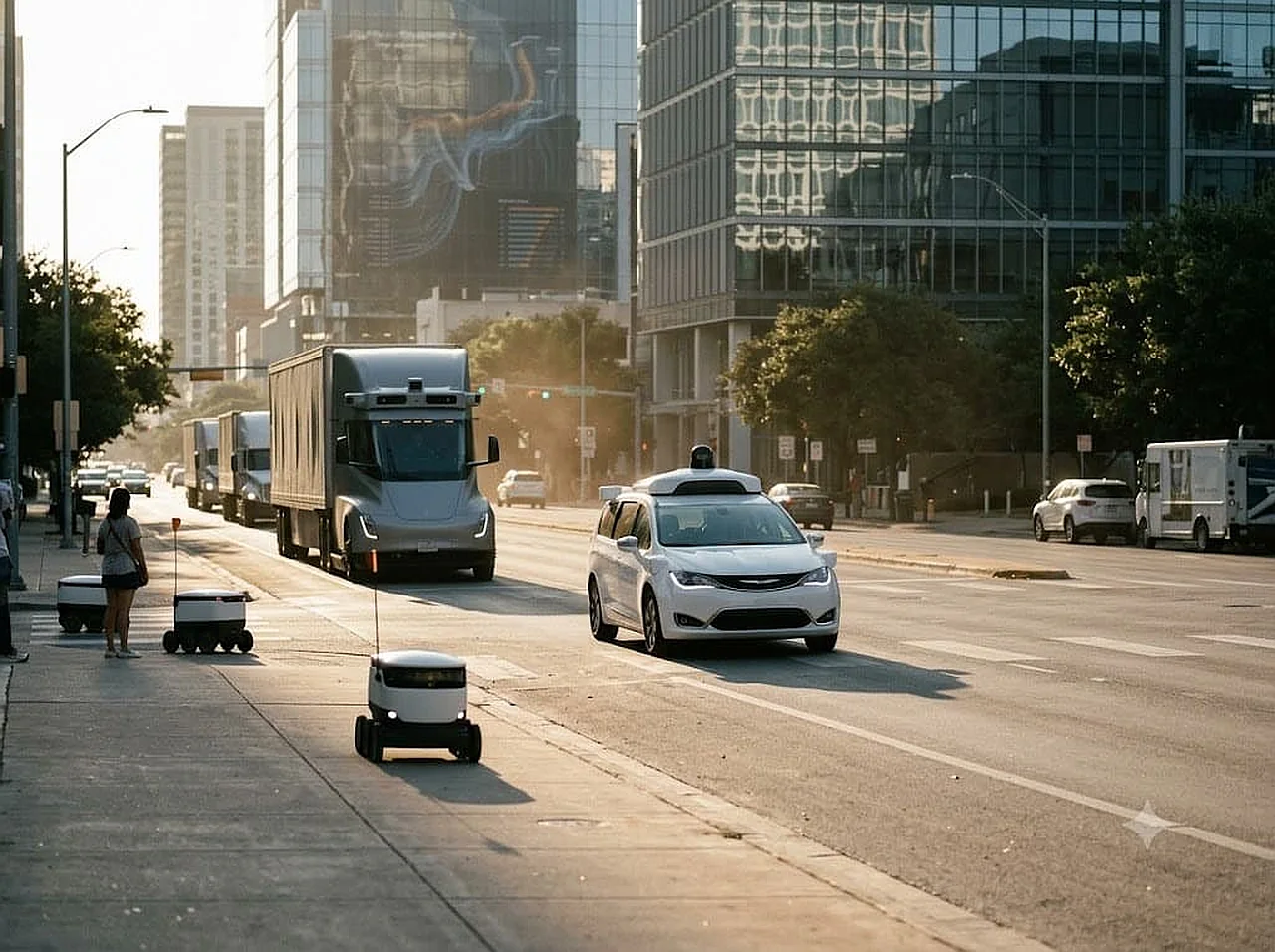
An unexpected shift has occurred in the field of AI and autonomous driving technology: China's Baidu has overtaken the US-based Waymo project in the rankings of the world's most advanced robotaxi operators. According to a new report by the Road to Autonomy Index platform, Baidu's Apollo Go service currently holds the top spot globally. This is reported by Ixbt.com news reports.
This ranking was generated using a generative AI system developed by Advisory and the Autonomy AI startup. The index is updated every 12 hours and analyzes open data such as financial reports, safety statistics, partnership agreements, and production capacities. The system does not limit itself to mere data collection but performs deep analysis using licensed and paid databases.
Balance of Power in the Global Market
Following Baidu, which has seized leadership in the robotaxi segment, Waymo, owned by the Alphabet (Google) holding, takes second place. The top five also include China's Pony.ai and WeRide, with Elon Musk's Tesla rounding out the list. This situation indicates that Chinese tech companies are posing serious competition to US giants in the autonomous transport market.Regional data, specifically the autonomous vehicle registry in Texas, also presents interesting figures. By the end of May, Waymo increased its fleet from 577 to 620, and Tesla from 42 to 69. Zoox, part of Amazon, also expanded its scale, owning 43 autonomous cars. Meanwhile, Germany's MOIA and other delivery robot manufacturers are also establishing their presence in the market.
Partnerships and Challenges in the Sector
The autonomous transport market has become not only a technological race but also a center for massive investments. For example, Gatik signed a multi-year contract with PepsiCo to implement autonomous trucks in the US. Meanwhile, Honda and QuantumScape have begun working on solid-state batteries, while Uber, Stellantis, and Wayve have formed an alliance to create robotaxis.However, the sector still faces serious operational difficulties. According to ixbt.com, Waymo had to call in nearly 4,000 robotaxis due to incidents of entering closed areas where roadworks were being carried out. Additionally, a collision involving an Avride robotaxi ordered via Uber was reported in Dallas; although the accident was caused by another driver's violation, it further increased attention to system safety.
Tesla is also struggling with its own specific problems. In China, users have found ways to trick the system's driver attention monitoring function using plastic devices. At the San Francisco airport, Tesla cars were granted a limousine service license, but on one condition: the vehicle must be operated only by a human, and autonomous mode is not permitted.


Comments 0
…