


SpaceX Tests Raptor 3 Engines of Starship S40 for the First Time
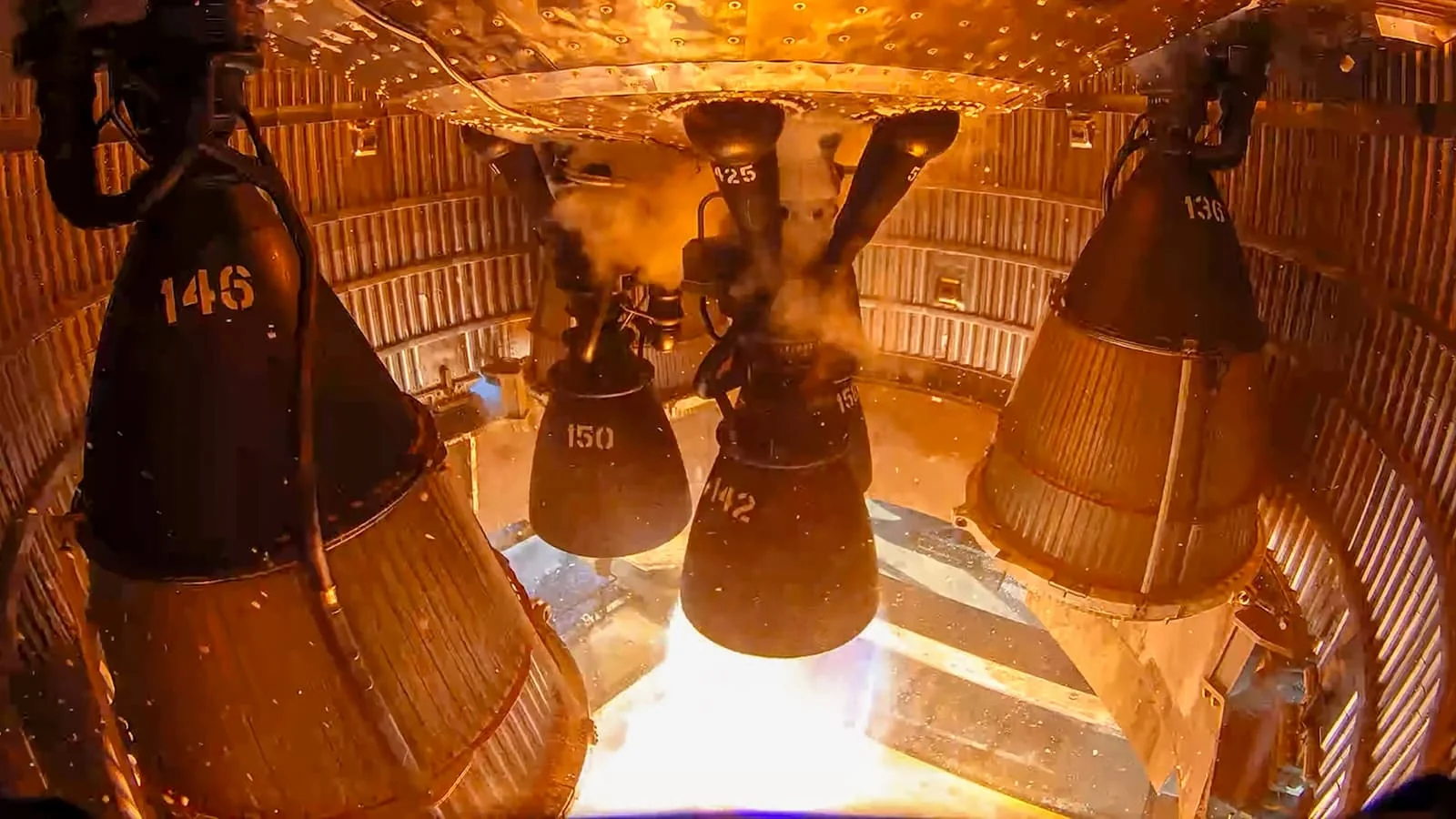
SpaceX, led by Elon Musk, has taken another significant step toward conquering space. The company released photo and video materials showing the first ignition tests of the Starship S40 spacecraft. These tests serve to demonstrate the capabilities of the new generation Raptor 3 engines in practice. This is reported by Ixbt.com news provides.
According to ixbt.com, during the tests, specialists also revealed the serial numbers of the engines installed on the ship. The engines located in the center are marked R142, R150, and R158, while the vacuum engines are recorded under numbers R146 and R136. The serial number of the sixth engine remains a secret for now.
The most notable aspect of this testing process is that although only one engine was ignited, it operated for much longer than expected — nearly 15 seconds. This is significantly longer than typical short-term static tests and provides engineers with more data to analyze system stability.
Next Stage and Flight Plans
SpaceX specialists plan to ignite all six engines on the Starship S40 simultaneously in a static state in the next phase. This will allow them to verify the ship's readiness to operate at full power before flight. Raptor 3 engines have a much simpler structure than previous versions and offer higher efficiency.The 13th test flight of the Starship project is scheduled for approximately mid-July. This will be the second flight for the Starship V3 modification equipped with Raptor 3 engines. According to the plan, this flight will still be suborbital, and the ship will not fully enter Earth orbit.
The company's long-term plans are even more ambitious. Starting in August, Starship flights are expected to take place once a month. By the 14th flight, SpaceX aims to take the ship to a full orbital level. This could usher in a new era in space technology.
For Uzbek space enthusiasts and technology fans, such news is of particular importance. On a global scale, the development of reusable rocket systems will lead to cheaper satellite communications and internet services in the future, specifically facilitating the expansion of projects like Starlink.


Comments 0
…