


Revolution in the World of Batteries: Mass Production of Sodium-ion Accumulators Begins
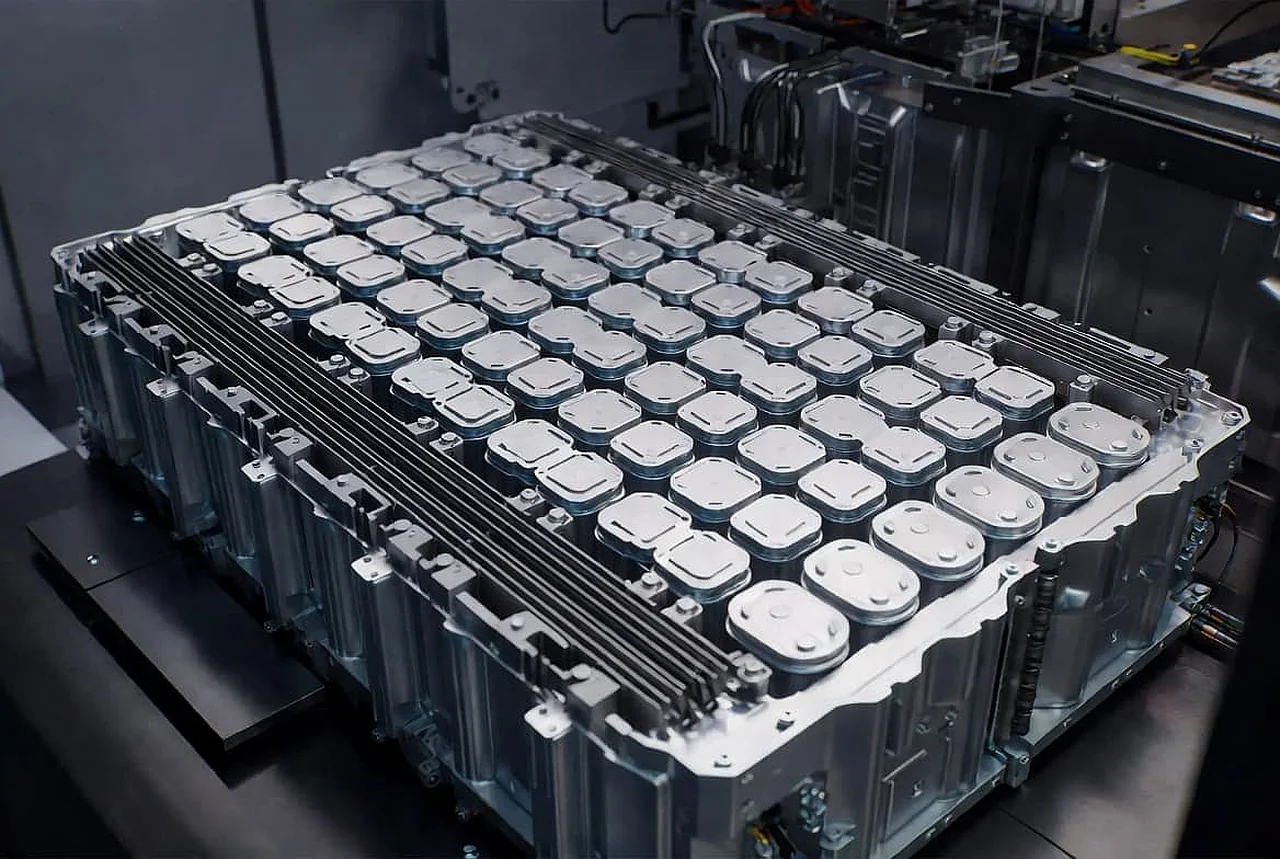
A long-awaited technological turning point has occurred in the electric vehicle industry: sodium-ion batteries have officially entered the mass production stage. Changan Automobile's start of installing these new types of power elements in its cars could limit the hegemony of lithium-ion batteries in the field. This will not only lower production costs but also take the popularization of electric vehicles to a new level. This is reported by Ixbt.com news reports.
According to Ixbt.com, the main advantage of the new technology is its affordability. While traditional lithium batteries use expensive copper components, sodium-ion elements utilize aluminum foil current collectors. This method allowed for a significant reduction in raw material costs while maintaining the main structural parameters of the battery. Manufacturers are accelerating the introduction of polyanionic cathodes to ensure the long-term stability of the battery pack.
Price Competition and Economic Efficiency
Currently, the cost of sodium-ion elements has reached the level of lithium-iron-phosphate (LFP) batteries. According to analysis, in the first quarter of 2026, production costs for one watt-hour of sodium element capacity ranged from 0.051 to 0.059 dollars. For comparison, the price of LFP elements, currently considered the most affordable on the market, is estimated at around 0.050 dollars.Industry models indicate that as production efficiency increases, the cost of sodium batteries will continue to decrease. This is also of great importance for countries where the electric vehicle market is developing rapidly, such as Uzbekistan. Cheaper batteries directly lead to a decrease in the final price of electric vehicles, making them affordable for a wider segment of the population.
Performance in Cold Climates
Another advantage of sodium-ion accumulators is their resistance to extreme weather conditions. Physical matrix elements are much more resistant to heat and climate changes than traditional lithium variants. In particular, sodium batteries can maintain more than 90 percent of their nominal capacity even at -20 °C. This indicator is crucial for regions with severe winters.For comparison, standard lithium-iron-phosphate batteries can lose more than 80 percent of their power in the same cold conditions. Extended testing platforms confirm that the new technology operates effectively even at -40 °C. This virtually solves the problem associated with the sharp decrease in electric vehicle range during the winter season.
The sodium-ion architecture also shows high results in terms of safety. Due to the internal chemical structure, the thermal runaway threshold in such batteries is above 200 °C. This indicator provides a reliable protection mechanism against fire risk in the event of a short circuit. Thus, the new generation of batteries is becoming not only cheaper and more durable but also more perfect from a safety perspective.


Comments 0
…