


AI Guide Robots for the Visually Impaired Launched in China
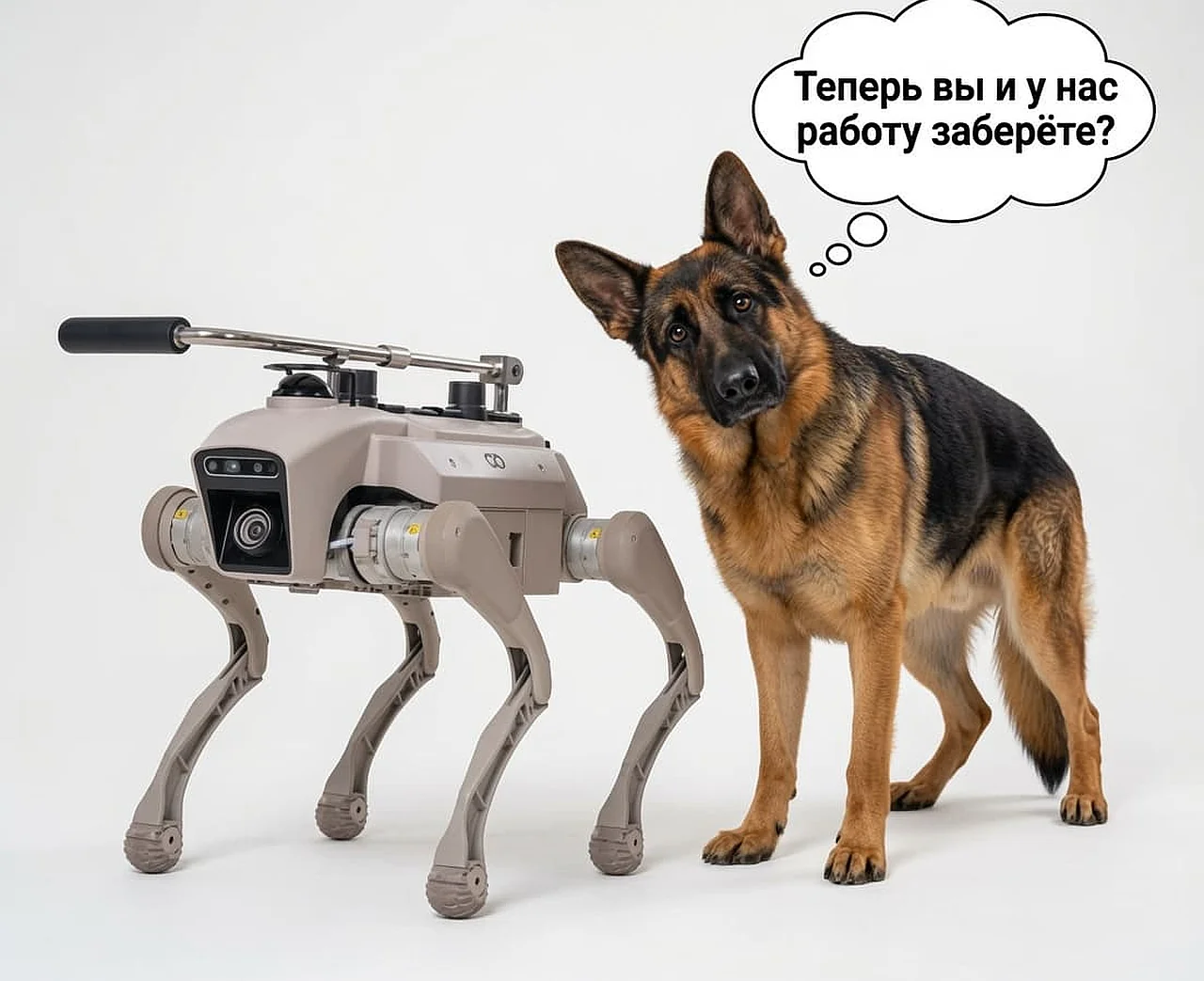
Technological advancements continue to fundamentally transform traditional fields. In the city of Myanyan, China, Qiming Q2 guide robots specifically designed for blind and visually impaired people have been officially demonstrated. These innovative devices are expected to replace specially trained guide dogs in the future. This is reported by Ixbt.com news reports.
The Qiming Q2 model is equipped with a modern sensor suite, including lidar, a depth camera, an RGB camera, and ultrasonic sensors. With these technologies, the robot maintains full 360-degree control of the environment. According to ixbt.com, the system can detect stairs, open manholes, traffic cones, and other obstacles within milliseconds.
Safety and Smart Navigation
The robot recognizes not only stationary obstacles but also moving pedestrians and vehicles. When approaching traffic lights, stairs, or slopes, the system warns the user in advance via voice messages. This ensures that visually impaired people can move independently and safely in urban environments.One of the device's most prominent features is its local AI model. The user simply needs to state the destination, after which the robot independently plots the most optimal route and begins the accompaniment. The fact that an internet connection is not required during this process increases data security and speed.
The Qiming Q2 can move reliably on various road surfaces, including asphalt, cobblestones, lawns, and uneven terrain. Additionally, it is capable of independently climbing and descending stairs, which is very useful in multi-story buildings and underground passages.
Autonomous Operation and Charging
The robot's technical capabilities include:- Over 1.5 hours of continuous operation on a single charge;
- Automatic return to the charging station when power is low;
- An interactive interface controlled by voice commands;
- A real-time environment scanning system.
Currently, an opportunity to test these robots has been created at a special site in the city of Myanyan. According to experts, such robotic assistants eliminate the complexities associated with feeding and training guide dogs and facilitate the social integration of visually impaired people.
In countries undergoing rapid digital transformation, such as Uzbekistan, the future implementation of inclusive technologies could help make urban infrastructure more convenient for people with disabilities.


Comments 0
…