


Batteries That Don't Need Charging for 30 Years Are Being Developed in the USA
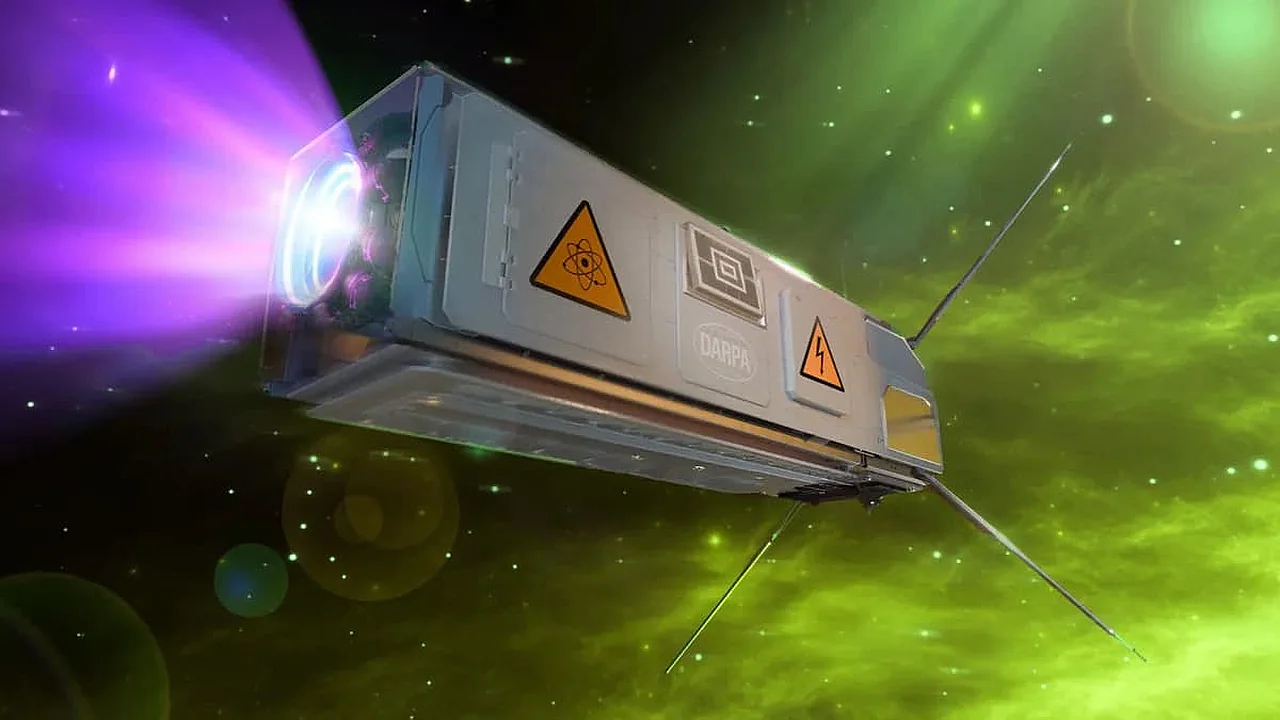
Scientists at Morgan State University in the USA have begun developing a new generation of radioisotope power sources capable of operating for decades without maintenance or recharging. The project, funded by the DARPA agency, is expected to bring about a revolutionary change in the energy sector. Ixbt.com reports on this.
According to ixbt.com, this project is being implemented under the DARPA agency's "Rads to Watts" program and has been named SYMPHONEE. A grant of $3.37 million has been allocated for the research, and prestigious organizations such as Northrop Grumman, Project Omega, and the Pacific Northwest National Laboratory are collaborating on the development.
From Nuclear Waste to Energy Source
The new technology is based on the strontium-90 radioisotope. Notably, this element can be extracted from nuclear waste. This simultaneously enables both the utilization of waste and the generation of energy from it for useful purposes.Unlike traditional batteries, these systems do not store energy. Instead, they use special converters to directly transform radioactive decay energy into electrical energy. This mechanism ensures uninterrupted operation of the power sources for up to 30 years.
Applications and Prospects
According to the project authors, the new batteries will primarily be used in conditions where replacing batteries is impossible or extremely costly. These include:- Spacecraft and satellites;
- Underwater autonomous systems;
- Sensors located in remote areas;
- Next-generation defense technologies.
The project is currently in the research phase, and there is still a long way to go before mass production. However, this direction is being evaluated as one of the most promising branches of future autonomous energy. For countries striving for technological development, such as Uzbekistan, these long-term energy sources could play an important role in communication and monitoring systems in the future.


Comments 0
…