


Huawei Towards Technological Independence: Company to Produce Its Own DRAM Memory Chips
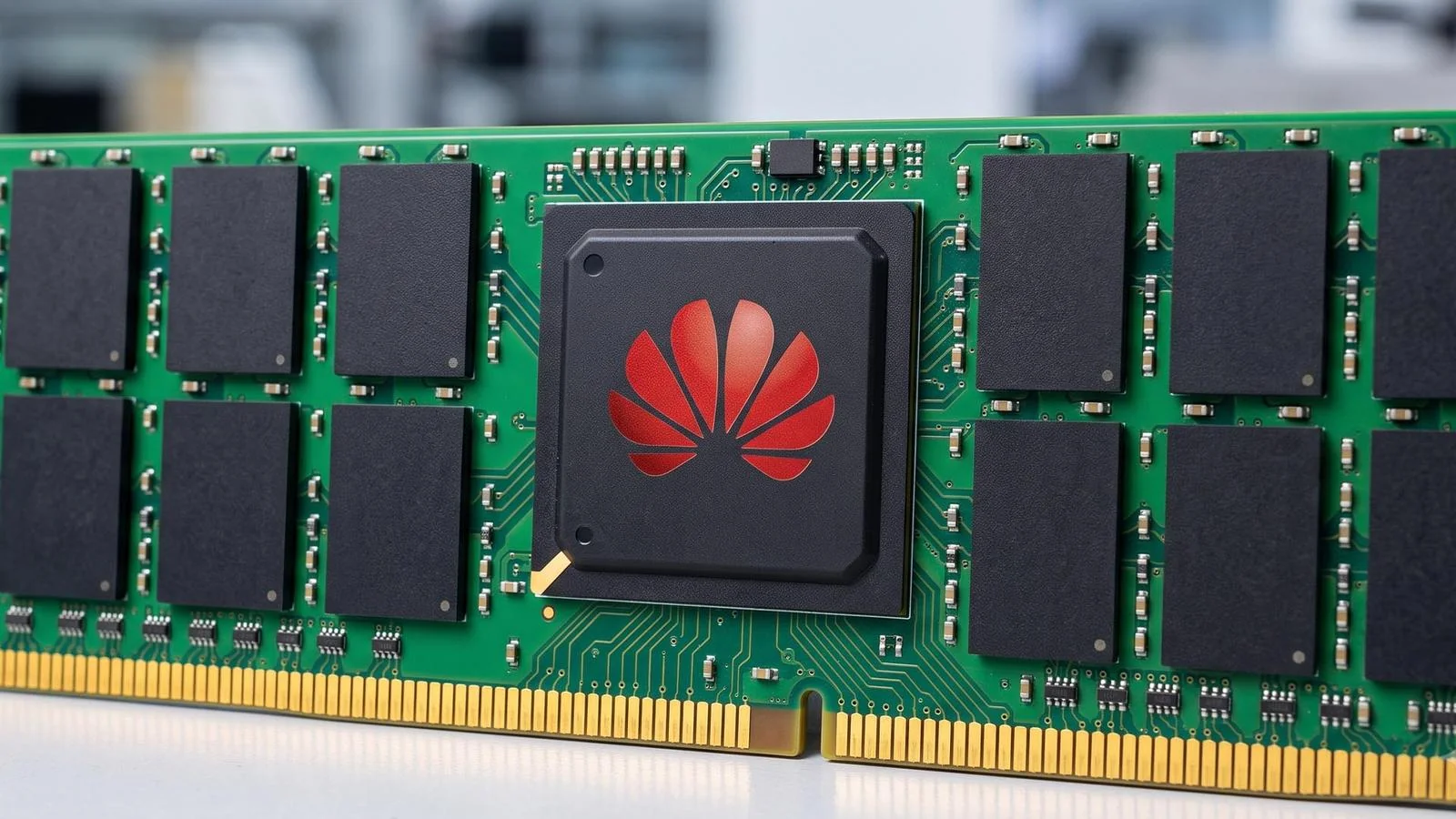
Chinese tech giant Huawei is taking another strategic step toward building its own semiconductor ecosystem under the pressure of US sanctions. According to Semiconductor Insider, the company is preparing to launch production of its own DRAM memory chips. This project is expected to be a major turning point not only for Huawei but for the entire Chinese electronics industry in reducing dependence on external suppliers. This is reported by Ixbt.com reports .
This massive project is not being carried out by Huawei alone. It involves collaboration with Chinese memory chip manufacturer Swaysure and state entities. According to the plan, the parties will build a large facility to produce 12-inch silicon wafers. The plant's capacity is designed for up to 140,000 wafers per month, which is a significant figure on an industrial scale.
Technological Level and Expertise
In the initial phase, the new plant will produce DRAM memory based on a 28nm process. While this lags behind the modern solutions of market leaders like Samsung, SK hynix, and Micron, this step allows Huawei to supply some of its devices with guaranteed components and mitigate dependence on external market conditions.To ensure the project's success, Huawei has recruited the industry's most experienced professionals. Reports suggest that the new enterprise may be led by a former TSMC executive. Additionally, a specialist who once headed the Japanese company Elpida, which specialized in DRAM production, has been invited as a strategic advisor. Such experienced personnel will help establish the enterprise's technological processes in a short time.
Why is this a vital necessity for Huawei?
Currently, about 95% of the global DRAM market is controlled by three major companies: Samsung, SK hynix, and Micron. The rapid development of AI technologies has sharply increased the demand for memory chips. This creates market shortages and drives up prices. For Huawei, owning its own plant means protection against price volatility and shortage risks.Sanctions imposed by the US and the European Union have banned the supply of modern chips and the equipment necessary for their production to Huawei. Under these conditions, the company is forced to produce not only processors but also fundamental components like memory chips itself. The Chinese government is providing comprehensive support for this project in terms of financing, construction, and obtaining necessary permits.
In conclusion, Huawei's entry into the memory chip market could change the global technological landscape. Although it currently lags behind leaders in terms of technology, the company aims to ensure long-term stability by creating its own closed production chain. This will further strengthen China's independence in the semiconductor sector in the future.


Comments 0
…