


Airbus shifts strategy: Compact aircraft replace the era of giant liners
Airbus, one of the leading giants in the aviation world, has updated its global forecast for the next 20 years. For the first time, the company has lowered its market growth expectations and announced that it will shift its focus from massive liners like the A380 to compact and fuel-efficient models. This change indicates a fundamental shift in global aviation logistics. This is reported by Ixbt.com reports .
According to the new report, global airlines will receive a total of 42,060 new passenger aircraft between 2026 and 2045. This figure is 1 percent lower than previous forecasts. In this calculation, Airbus analysts have taken into account not only their own products but also those of Boeing, China's COMAC, and Russia's MS-21 projects. Geopolitical instability and trade restrictions are cited as the main reasons for the market slowdown.
The strategy of moving away from major hubs
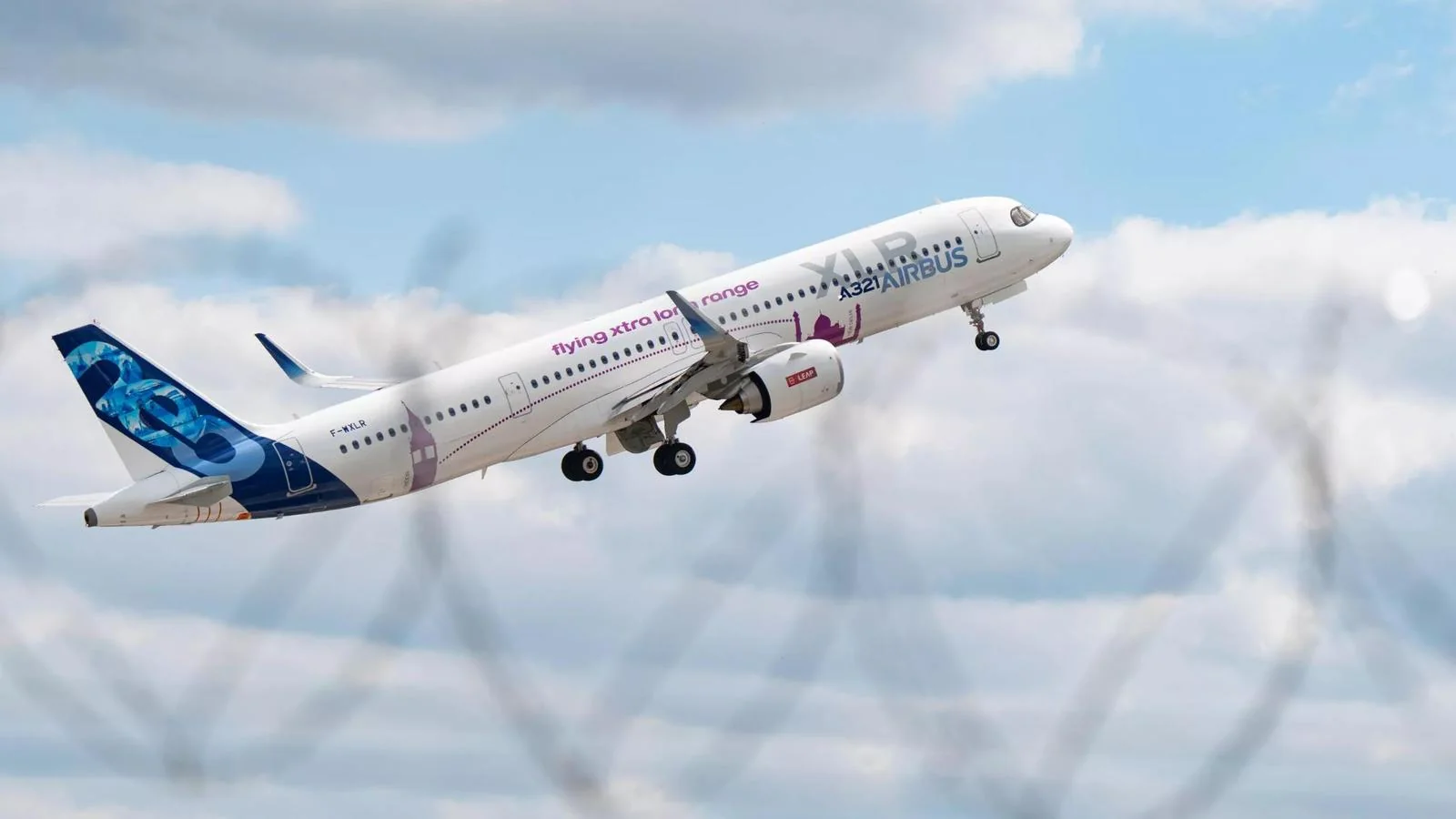
Antonio da Costa, head of market analysis at Airbus, noted that the industry has reached its peak recovery after the pandemic. Now, airlines are focusing not just on expanding their fleets, but on upgrading them efficiently. Approximately 47 percent of the projected new aircraft will be purchased to replace older models. This figure was 45 percent in previous reports.The biggest shift in the company's strategy is the abandonment of the ultra-large liner concept. After production of the A380, once considered the king of the skies, was halted, Airbus is now betting on compact models like the A220 and A321XLR. These aircraft allow airlines to operate direct flights between cities without being tied to major transit hubs.
Asian market and new directions
The majority of future demand, approximately 33,920 units, will be for narrow-body (single-aisle) aircraft. Competition between models like the Airbus A320neo and Boeing 737 MAX is expected to intensify in this segment. From a regional perspective, Asia remains the main engine of global aviation. Almost half of the new aircraft will be delivered to this continent.Interestingly, Airbus has great confidence in the Indian market. The growth forecast for the country's domestic air travel has been raised from 8.9 percent to 9.1 percent. Conversely, expectations for China have been slightly lowered, with annual growth set at 4.7 percent. For developing markets like Uzbekistan, compact and long-range models like the A321XLR are very convenient for opening new international routes.
Conflicts in the Middle East and the instability of oil prices are forcing airlines to be cautious. Therefore, Airbus sees the future not only in capacity but in fuel efficiency and flight flexibility. This signals that the era of "gigantism" in the aviation industry is ending, and the era of efficiency is beginning.


Comments 0
…