


China Searches for Water at the Lunar South Pole: Preparations for the Chang'e-7 Mission Begin
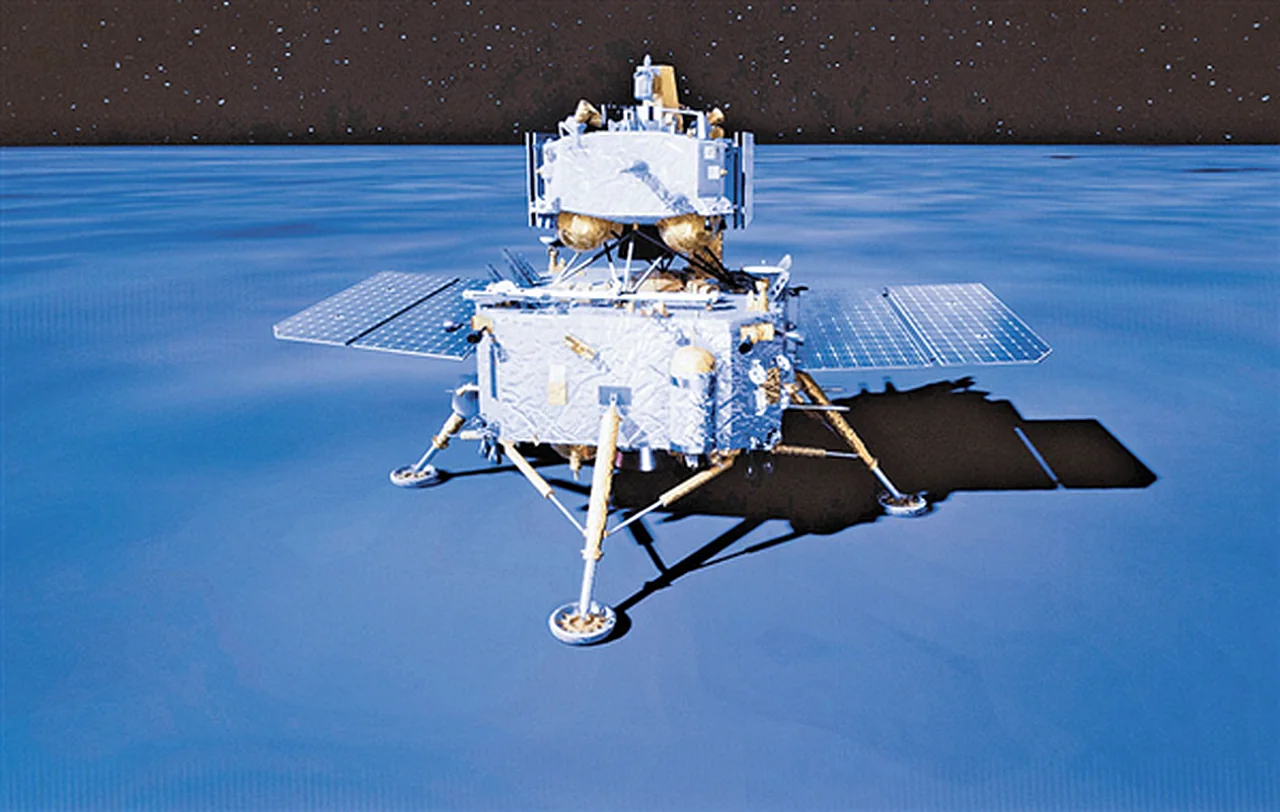
China is preparing to take another giant leap in the field of space exploration. The country's most powerful heavy-lift rocket, the Long March 5 Y14, has been successfully delivered to the Wenchang Spacecraft Launch Site. The rocket is expected to launch the Chang'e-7 automatic station into lunar orbit in the near future. This mission is said to be one of the most complex projects in the history of humanity's exploration of Earth's satellite. This is reported by Ixbt.com .
Currently, the processes of final assembly and complex testing of the rocket have begun at the spaceport. It is worth noting that the Chang'e-7 station itself was brought to the launch site back in April of this year. According to ixbt.com, this mission consists of a complex system containing several devices at once: an orbiter, a lander, a rover, a special flying probe, and a relay satellite.
The South Pole and craters in eternal shadow
The main target of the mission is the Aitken region at the Moon's south pole, located at 85 degrees south latitude. Scientists believe that this specific area contains craters that remain in permanent shadow, where sunlight never reaches. After entering orbit, Chang'e-7 will fly over these craters to check for water ice reserves. The presence of water is vital for future lunar colonization and the construction of bases there.In the next stage of the program, the lander and rover will descend to the lunar surface to begin collecting scientific data. This information will help not only to understand the Moon's geological structure but also to identify safe landing points for future missions. Through this research, Chinese experts aim to create a map of natural resources at the lunar south pole.
The first step toward an International Lunar Station
The Chang'e-7 mission, while an independent project, is part of China's long-term space strategy. Together with the subsequent Chang'e-8 mission, these devices will serve as the foundation for establishing the International Lunar Research Station (ILRS). China plans to locate this station specifically around the south pole.The functions of the devices in the mission are distributed as follows:
- Orbiter: Provides communication and general observation;
- Lander and rover: Conducts direct research on the surface;
- Flying probe: Enters craters to search for ice samples;
- Relay satellite: Establishes continuous data exchange with Earth.


Comments 0
…