


Intel relies on its 18A process: Nova Lake chips to be produced in-house
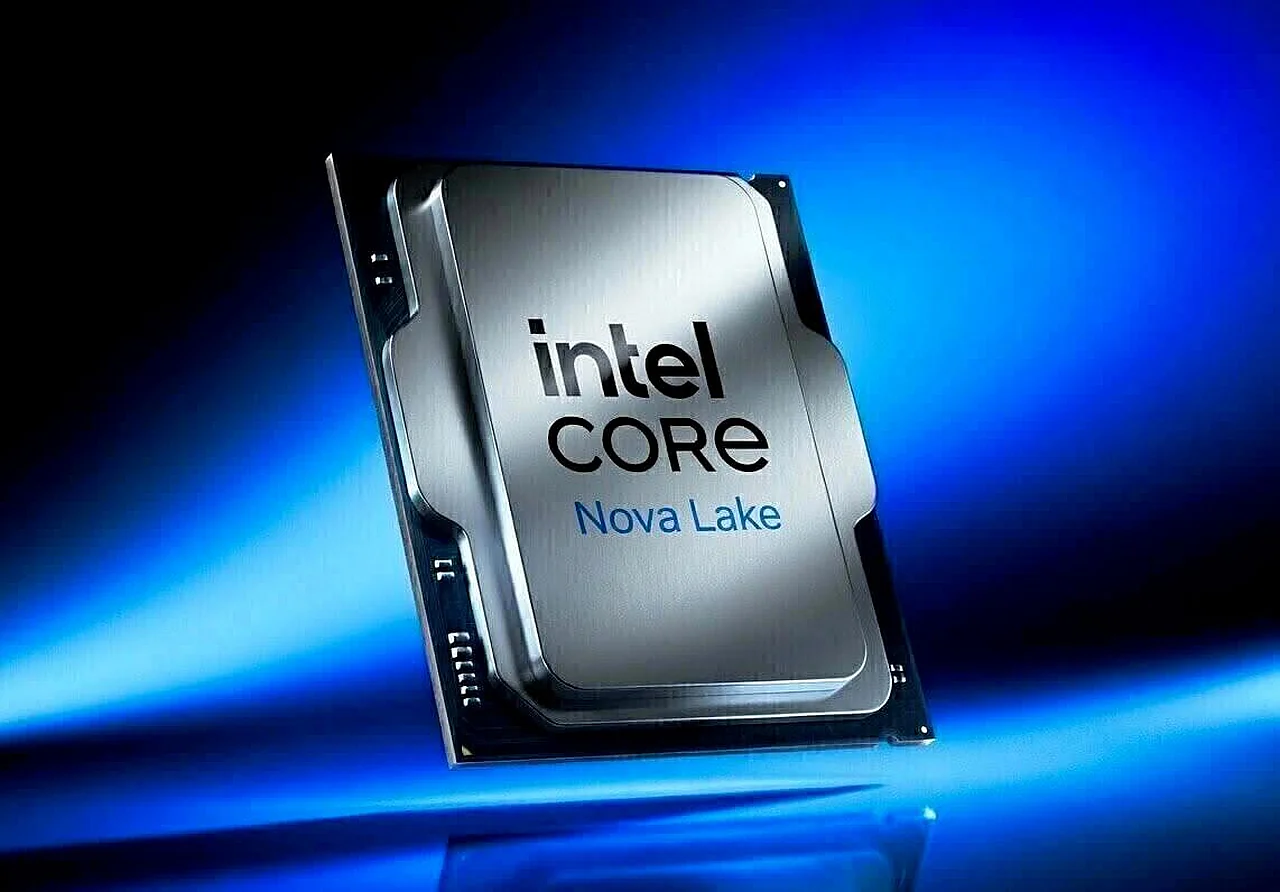
Seeking to regain leadership in the semiconductor market, Intel is achieving better-than-expected results with its advanced 18A process. According to recent reports, the company has decided to fundamentally change its production strategy for future Nova Lake processors. This is a significant step toward technological independence for Intel. This is reported by Ixbt.com reports .
Initially, Intel planned to outsource approximately 60-70% of its Nova Lake chip production to TSMC's facilities using 2nm technology. However, citing internal company documents, Ixbt.com reports that the yield rate for the 18A process has improved significantly.
Due to these new metrics, Intel now plans to manufacture 80-90% of its Nova Lake processors in its own factories. This not only reduces production costs but also allows the company to maximize the utilization of its own facilities. It is reported that all technical issues encountered in recent months have been resolved.
Stabilization of the technological process
Intel specialists have managed to raise the yield rate of crystals as a result of work on the 18A process. This metric directly impacts processor costs and increases the market competitiveness of Intel products. Currently, this technology serves as the foundation for Panther Lake processors, as well as projects like Wildcat Lake and Starfire.For users in the Uzbekistan market, this news may mean that the prices of laptops and computers equipped with Intel processors will become more stable in the future. Reducing dependence on external manufacturers lowers the risk of supply chain disruptions. By restoring its production capacity, Intel aims to provide a worthy response to competitors like NVIDIA and AMD.
The Nova Lake architecture is expected to be one of the most efficient and energy-saving platforms in Intel's history. If the company can establish high-quality production in its own factories, it could shift the balance of power in the entire semiconductor industry. While TSMC currently leads the global market, Intel is preparing to disrupt this status quo with its 18A technology.


Comments 0
…