


China Revolutionizes Neurotechnology: First Brain Implant Performed on a Patient
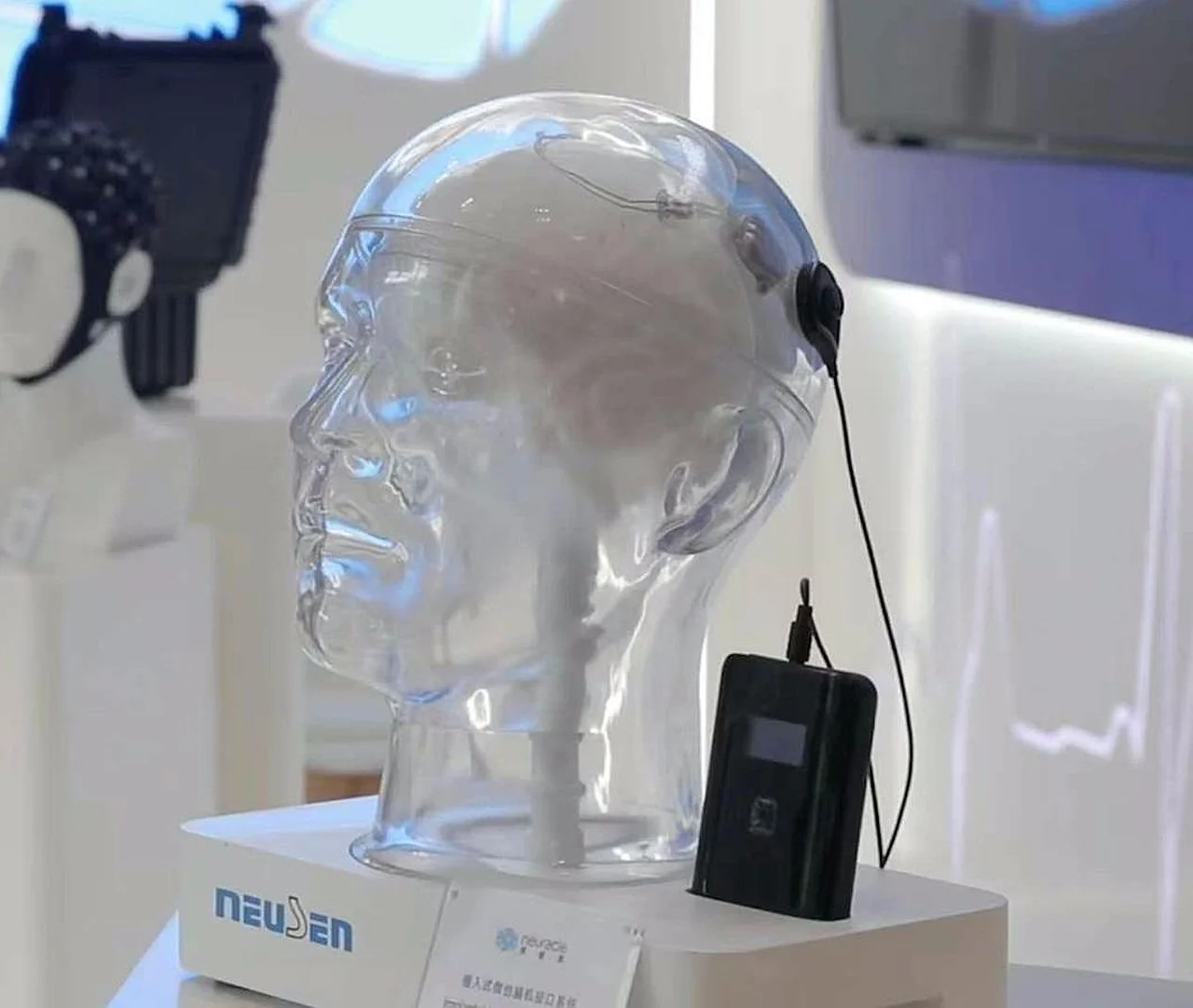
A major breakthrough has occurred in the world of medicine and high technology: for the first time in China, a neuroimplant was installed in a patient's brain not as part of clinical trials, but directly based on a doctor's prescription. This operation, performed by specialists at Huashan Hospital affiliated with Fudan University in Shanghai, has taken the connection between the human brain and computers to a new level. This is reported by Ixbt.com reports .
The operated patient suffered a spinal cord injury in a car accident ten years ago. As a result of this accident, the man's hand movements were restricted, and he lost the ability to care for himself. Chinese surgeons successfully implanted the NEO system—an invasive neurointerface the size of a coin—into his brain.
How does the NEO system work?
The NEO device performs the function of collecting and decoding brain signals. It identifies the person's intention to move and creates an information channel between the brain and an external device. In this case, brain signals are transmitted to a special robotic glove, which allows the patient to partially restore hand functions and perform daily tasks.Doctors state that the patient's vital signs are normal after the operation, and the brain activity signals are stable and of high quality. This indicates that the implanted chip has successfully integrated with the human body. This technology is seen as a worthy competitor to the Neuralink project founded by Elon Musk.
According to ixbt.com, the surprising aspect of this project is its rapid implementation. Just four months after the implant was approved by the China National Medical Products Administration, it was used on a real patient. Currently, this device is approved for widespread use and has even been included in medical insurance programs.
China's global goals
The Chinese government has set ambitious plans for the development of the brain-computer interface (BCI) industry. By 2027, the country aims to sharply increase the number of such operations, and by 2030, it plans to establish mass production of these products. In the future, China aims to create a national-level technological cluster in this field.This achievement is not only a beacon of hope for paralyzed patients but also shows China's drive for leadership in the global technological race. While such technologies were previously tested only in laboratory conditions, they are now becoming a part of daily medical practice.


Comments 0
…