


11-Year Tax Exemption for Lithium Batteries in China Is Ending
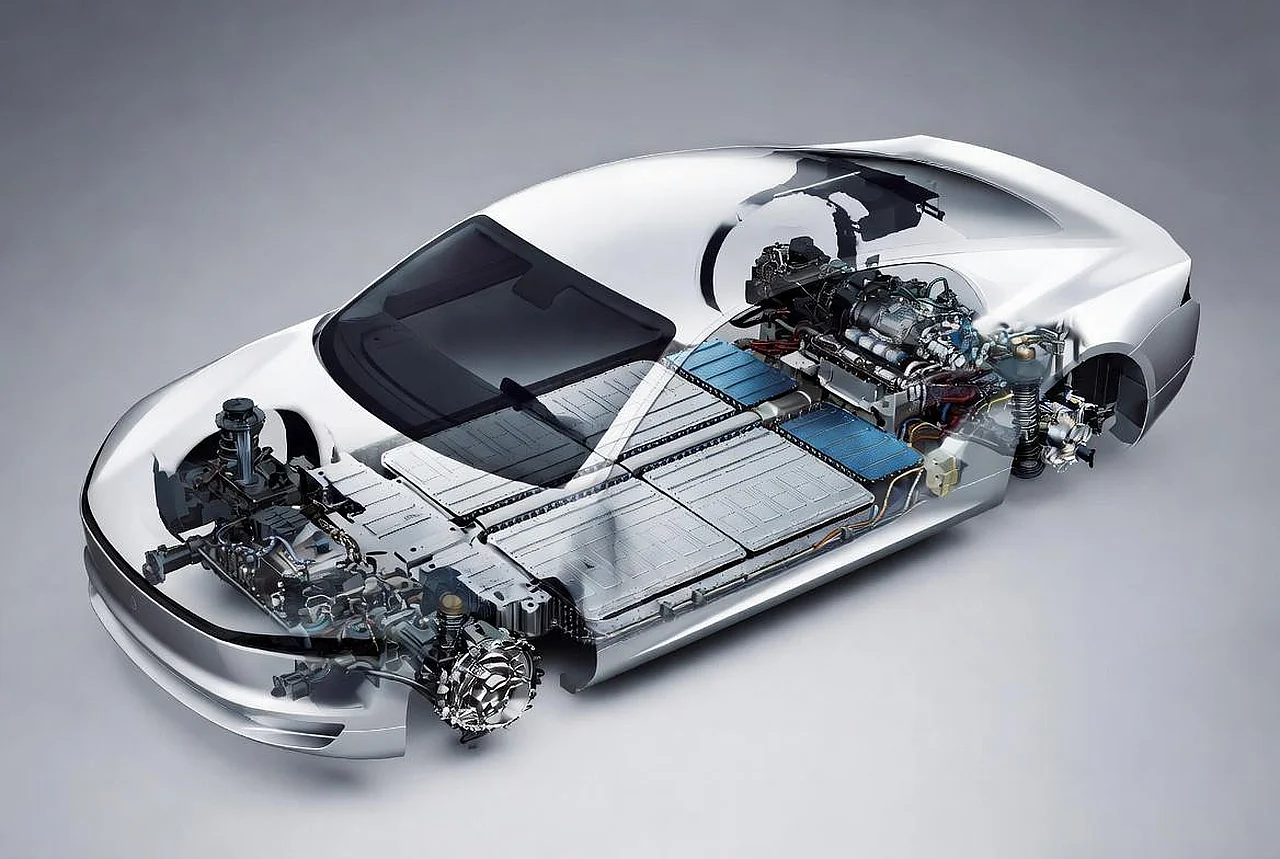
The Chinese government has officially decided to end the policy of exempting lithium batteries from consumption tax, which has been in effect since 2015. The end of this 11-year preferential period is expected to impact not only battery manufacturers but also the global electric vehicle market. This decision directly affects price formation in the global automotive industry. This is reported by Ixbt.com reports .
According to ixbt.com, the current average price of lithium iron phosphate (LFP) battery cells is between 0.36 and 0.4 yuan per Wh, while ternary lithium-ion cells are valued between 0.55 and 0.6 yuan. Considering that most electric vehicle battery capacities range from 55 kWh to 100 kWh, and hybrid vehicles from 36 to 55 kWh, the new tax rates will add a significant burden to vehicle costs.
Tax rates and price increases
Under the new regulation, if the tax rate is set at 2 percent, the cost of a single fully electric vehicle will increase by 396 to 1200 yuan. If the tax rate reaches 4 percent, this figure could rise to 2400 yuan (approximately 330 dollars). For hybrid models, the price increase is expected to range from 260 to 1320 yuan.Experts believe that the price increase due to the consumption tax will account for less than 1 percent of the total vehicle value. Although this figure is much lower than the sharp fluctuations in lithium raw material prices, it could pose a serious problem for manufacturers. The reason is that competition in the Chinese automotive market is currently extremely fierce and profitability levels are low.
New pressure on manufacturers
In the January-May period of this year, the profitability of automobile manufacturing in China was only 1.5 percent. Many companies are still operating at a loss. In such conditions, an increase in cost by several hundred yuan is an additional financial burden for auto giants struggling with low profitability.The new tax system is planned to be implemented in stages:
- Starting September 1, 2026, a 2 percent consumption tax will be levied on mercury-free batteries, nickel-metal hydride, and lithium-ion batteries;
- Starting September 1, 2027, this tax rate will be increased to 4 percent.
These changes will inevitably affect the Uzbekistan market as well, since the majority of electric vehicles entering our country come from China. The increase in production costs may also be reflected in export prices. However, it is possible that the optimization of technological processes and the decrease in lithium prices may partially compensate for this tax burden.


Comments 0
…