


USA may impose sanctions against Chinese AI models
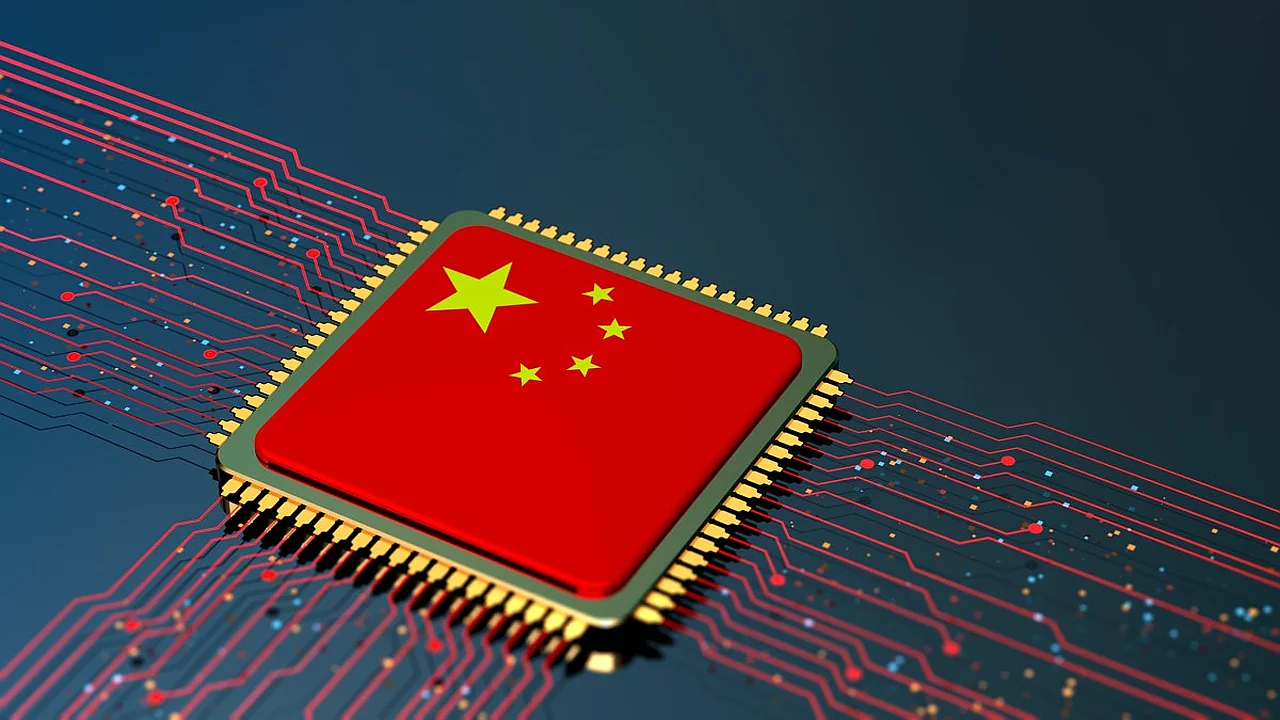
The US government has announced that it will investigate Chinese open-source AI models for intellectual property theft. If it is proven that these technologies have misappropriated developments from American companies, Washington threatens to impose strict sanctions on China's leading AI firms. This is reported by Techcrunch.com reports .
US Treasury Secretary Scott Bessent stated in an interview with Fox Business that the administration supports open-source models but will not tolerate intellectual property theft. According to Bloomberg, Bessent noted that there is full authority to penalize foreign models if they are found to have stolen breakthroughs from American tech giants.
These statements come at a time when new models, such as Kimi K3 from the Chinese company Moonshot AI, are posing serious competition to leading US laboratories like OpenAI and Anthropic in terms of capabilities and popularity. The American side is concerned that such competition could harm the business models of US companies and limit their ability to attract investment for new research.
A new stage in the technological race
Currently, the White House and relevant agencies are also considering options for a total ban on Chinese open-source models. Previously, Washington restricted China's access to advanced chips and tightened export controls. The fact that the focus has now shifted directly to AI models indicates a significant escalation in the technological confrontation between the two nations.A method known in the industry as "model distillation" is causing particular debate. This technique allows the capabilities of a large model to be transferred to a smaller, more efficient system. However, not all industry experts consider this method theft. For example, Microsoft CEO Satya Nadella has criticized large laboratories for using open data themselves while subsequently imposing restrictions on others.
At the same time, AI companies within the US are also facing legal challenges. Anthropic has begun paying compensation as part of a $1.5 billion settlement for the unauthorized use of millions of copyrighted books. This demonstrates that the issue of transparency in the AI training process is critical not only internationally but also in the domestic market.
These processes are also of great importance for users and developers in Uzbekistan. Global restrictions on open-source models could affect the cost and accessibility of AI-based services. For now, how this "technological cold war" between the US and China ends will determine the future of the industry.


Comments 0
…