


Paying hackers does not stop cyberattacks: New research results
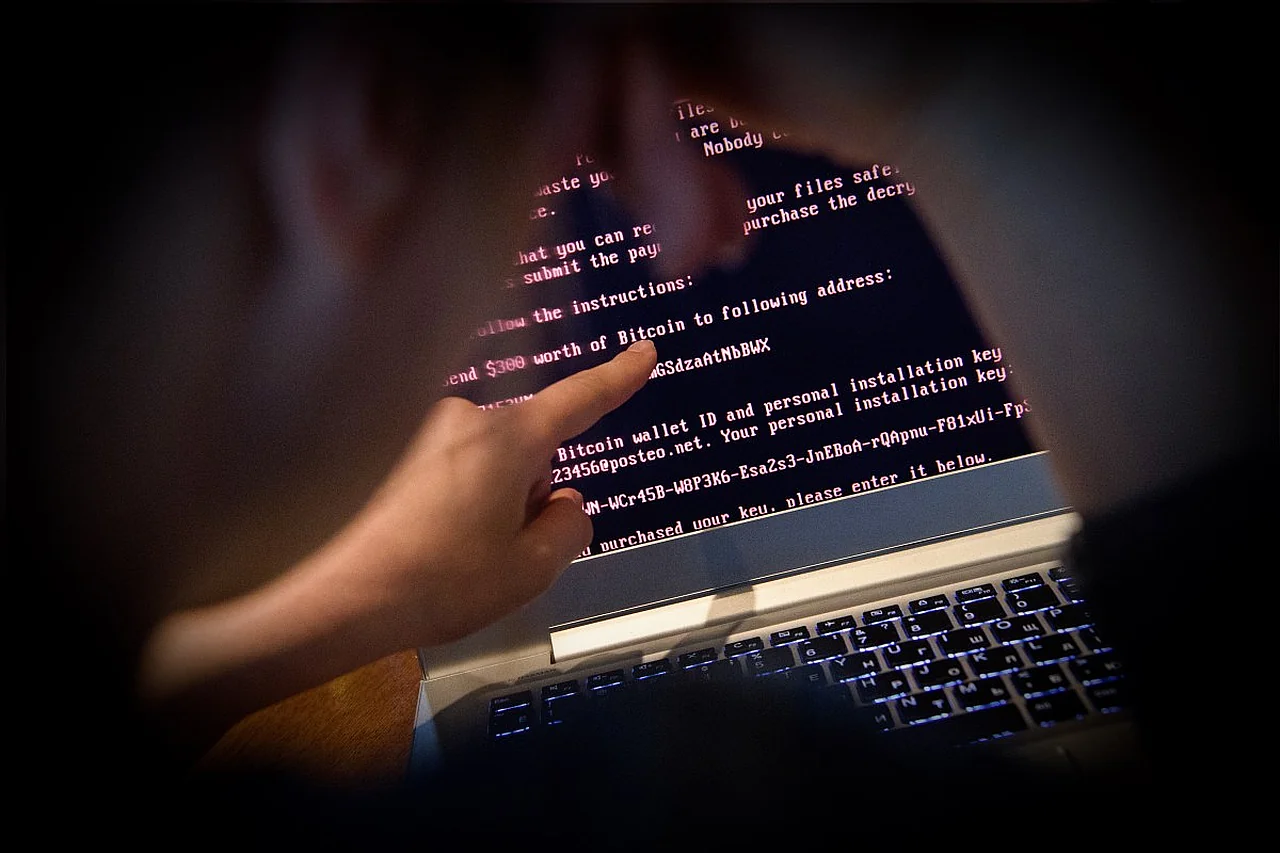
Extortion attacks carried out by cybercriminals have become one of the greatest threats to the global economy today. Many companies agree to pay large sums to hackers to recover their data or prevent it from leaking. However, recent studies show that paying criminals is not a solution to the problem, but an invitation for new attacks. This is reported by Techcrunch.com reports .
According to a study conducted by the cybersecurity company Proofpoint, more than a third of companies that paid hackers faced repeated extortion. The results of a survey of 953 organizations show that after receiving money once, cybercriminals make it a habit to return with new demands instead of leaving the victim alone. This situation proves once again that it is impossible to reach an agreement with extortionists in the digital world.
Why is it dangerous to negotiate with hackers?
Security experts emphasize that it is impossible to reach an agreement with criminals based on "good faith." According to Proofpoint, ransomware attacks have now evolved from simple one-time transactions into multi-stage pressure mechanisms. Hackers not only block the system but also threaten to publish stolen data, attempting to extort money multiple times.Even if hackers promise to delete stolen data, the reality is often the opposite. For example, last month, the marketing research firm Klue announced that it had reached an agreement with hackers and the data had been destroyed. However, it later turned out that another group of hackers had obtained a copy of that data, and customers remained at risk. Such cases indicate that there is data exchange or mutual competition among criminals.
Bitter experience from major companies
The 2024 incident involving the US company Change Healthcare demonstrated the complexity of cybercrime. After a Russian hacker group stole the medical records of 192 million people, the company was forced to pay not one, but two different criminal groups. Due to internal conflicts between these groups, the company had to spend money multiple times to protect its customers' data.UK law enforcement agencies discovered another important fact during an operation against the LockBit hacker group. According to police, the data of victims who had paid the ransom was still being stored on LockBit servers. This confirms that the hackers' promises to "delete data in exchange for payment" are simply lies.
This is also a very important warning for users and local companies in Uzbekistan. Cybersecurity experts recommend the following measures:
- Regularly creating backup copies of data;
- Improving employees' knowledge of cyber-hygiene;
- Never paying hackers, as this only finances crime;
- Using modern antivirus and protection systems.
In conclusion, paying cyber-extortionists causes not only financial loss but also damages a company's reputation. The best defense is to ensure system security before an attack occurs and to refuse any communication with hackers.


Comments 0
…