


US Aims to Increase Annual Number of Space Launches to 1,000 by 2030
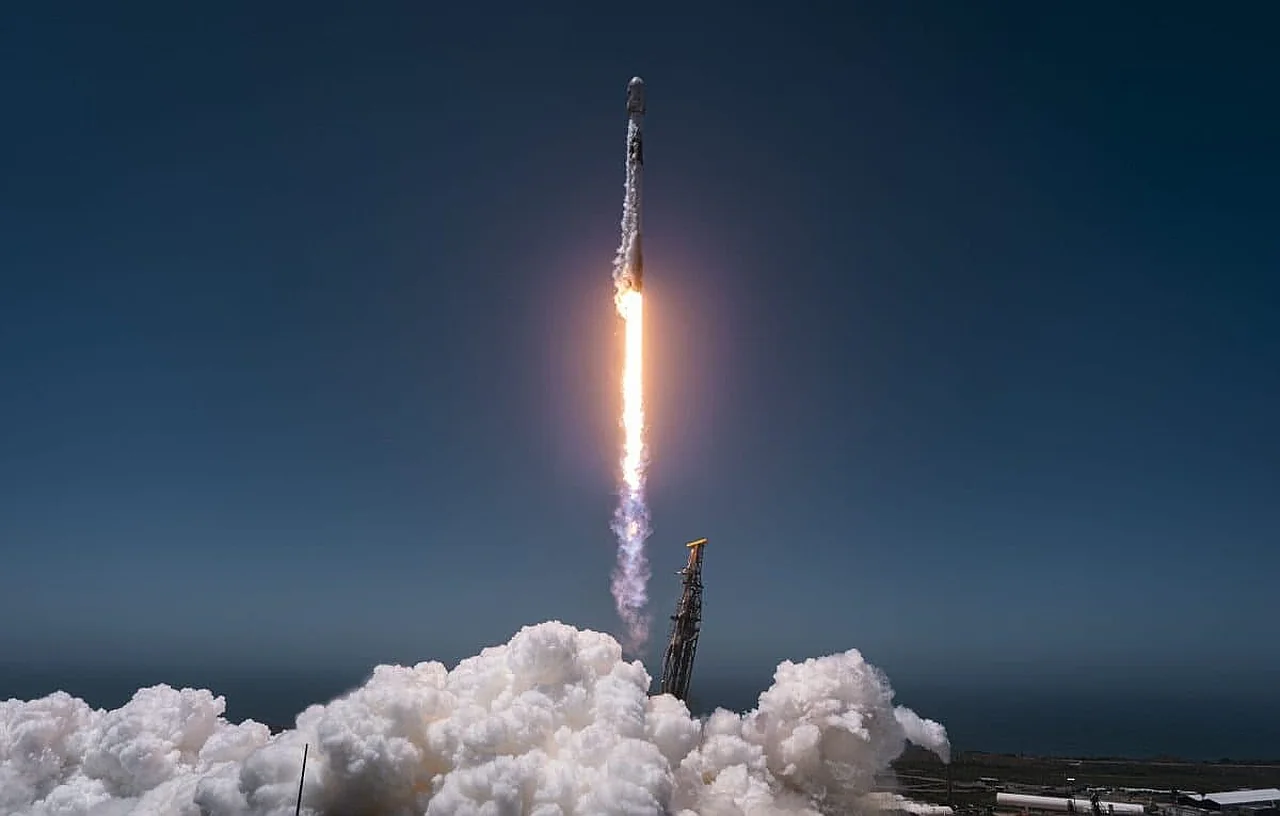
The White House has announced an updated National Space Transportation Policy for the first time since 2013. Under it, US launch sites must be capable of launching and returning at least 1,000 spacecraft annually by 2030, whereas American companies carried out nearly 200 launches in 2025. Ixbt.com reports .
According to ixbt.com, the new strategy focuses primarily not on rockets themselves but on developing ground infrastructure. The document requires the US Department of Defense and NASA, which manage federal ranges, to regularly assess opportunities to expand and modernize facilities and cooperate with private companies.
Infrastructure Expansion and New Rules
The Pentagon, NASA, and the Department of Transportation must work with state and local authorities to identify potential sites for new launch facilities. Within the next 180 days, flight-planning rules must be developed for federal facilities to coordinate commercial and government missions efficiently.The document also addresses integrating launches into the national airspace system and allocating priority air corridors for critical space missions. Experts say these measures will be an important step toward preventing potential logistical problems in the future.
The Need to Find Landing Sites
A separate section addresses returning spacecraft to Earth. It requires the Department of the Interior, together with other agencies, to identify federal lands that could be used as additional landing sites. The shortage of such sites across the industry had already become a problem.In particular, Varda Space Industries was forced to land its spacecraft at a commercial site in Australia after encountering difficulties using a test range in Utah. The new policy also plans to establish safety requirements and development plans for private operators.
Future Strategic Goals
The adopted document calls for developing a space transportation industry strategy within 180 days and reviewing export rules after 120 days. It also requires US-made rockets to receive priority when launching government spacecraft.NASA has been tasked with expanding spaceflight beyond low Earth orbit, including developing an architecture for sending people to lunar logistics hubs and the surface of Mars. The Pentagon, in turn, must consider space transportation services such as satellite servicing and develop resilient systems.


Comments 0
…