


Interlune raises another $5 million for Helium-3 mining on the Moon
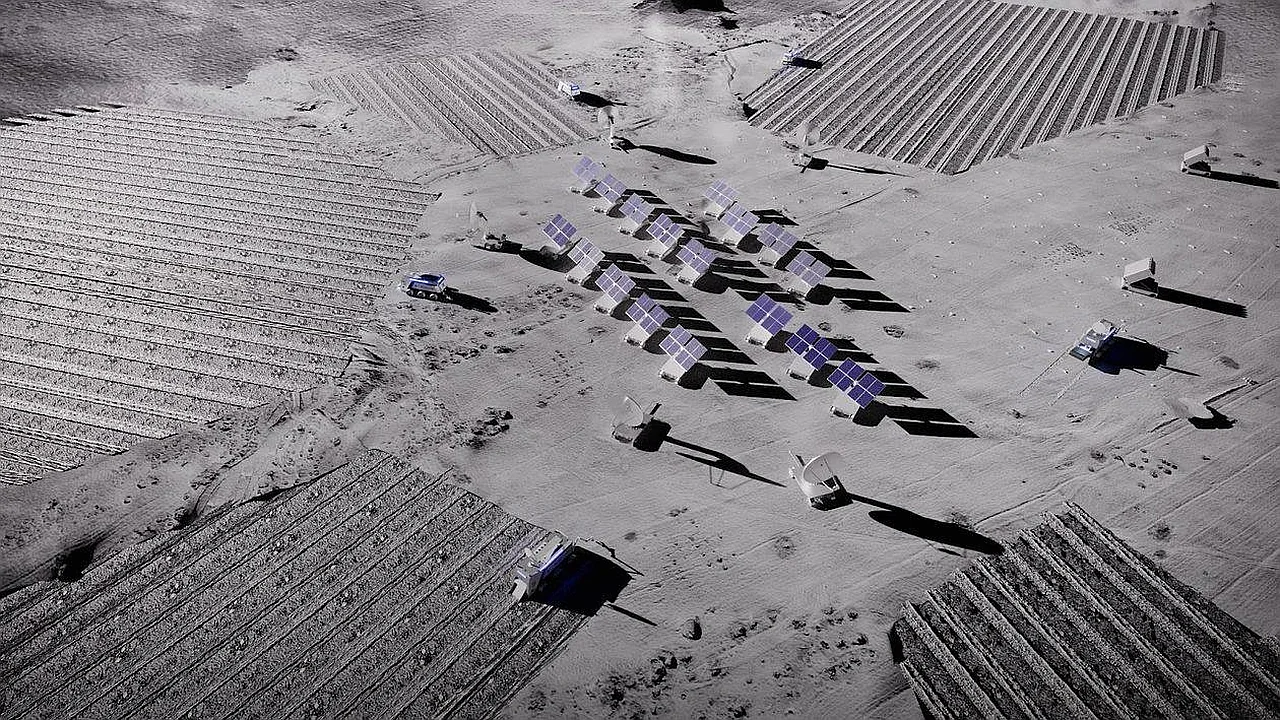
Seattle-based tech company Interlune has announced that it has raised an additional $5 million in funding through a Simple Agreement for Future Equity (SAFE) mechanism. This funding round allows the company to take a significant step toward not only exploiting lunar resources but also building future space infrastructure. This was reported by Ixbt.com reports.
According to ixbt.com, the company also used such a financing scheme in early 2026, when it also received $5 million. Both existing and new investors participated in the new investment round. Founded in 2020, Interlune initially focused on technologies for extracting valuable resources from lunar regolith.
The company's primary goal is the Helium-3 isotope on the Moon. Although this element is very rare on Earth, it is present in significant quantities on the Moon. The economic attractiveness of the material is determined by the fact that its value can exceed $9 million per 500 grams.
Promising areas for Helium-3
According to data provided by Interlune, Helium-3 could play a crucial role in several high-tech fields. In particular, there are opportunities to use it in medical imaging systems, rapidly developing quantum computing, and future fusion energy.However, the company has significantly expanded its business plan. Interlune is no longer limited to just mineral resources; it is also developing the infrastructure and life support systems necessary for operations on the Moon. To this end, the focus is on utilizing technologies to extract existing resources.
NASA plans and future missions
In July of this year, Interlune further expanded its partnership with U.S. industrial equipment manufacturer Vermeer. This partnership includes the creation of specialized construction equipment designed for use on the Moon, and this equipment is expected to be used as part of NASA's plans to build lunar infrastructure.The company's first payload, a mineralogical mapping device, is scheduled to be delivered to the Moon in 2026 using the Griffin-1 lander from Voyager Technologies. Subsequent missions will serve to study Helium-3 reserves and test lunar soil extraction technologies in practice.
According to the plans, Interlune aims to begin mining Helium-3 on the Moon in the 2030s and establish logistics for its delivery to Earth. This could mark a turning point in the development of the space economy and next-generation energy.


Comments 0
…