


Toyota to deploy 400,000 robots to factories starting in 2028
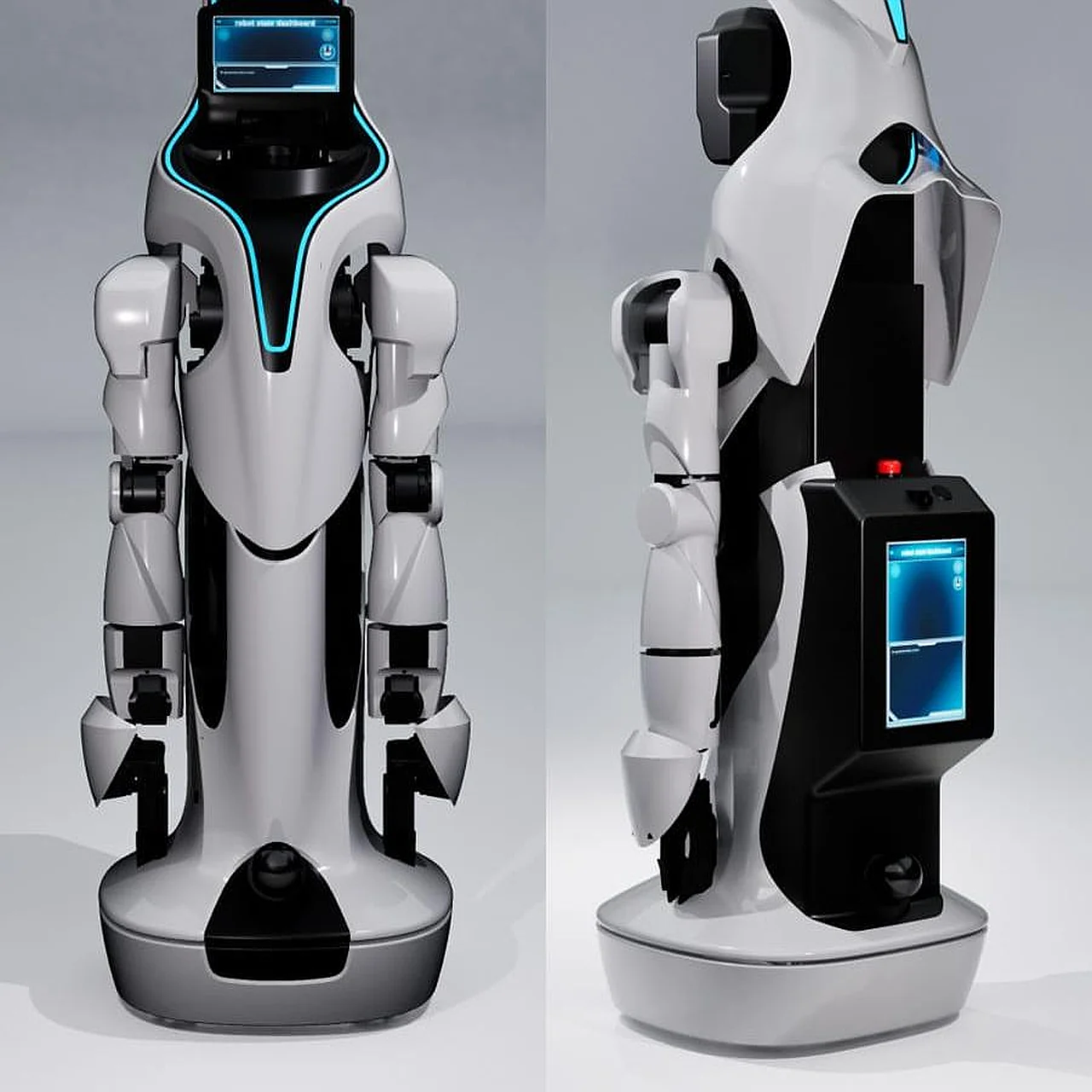
Japanese automotive giant Toyota Motor Group will begin investing heavily in equipping its factories with a robotic workforce starting in 2028. According to the plan, the company will allocate $6.42 billion annually for these purposes. According to ixbt.com, this large-scale initiative is expected to usher in a new phase in the automotive industry, aimed not only at increasing enterprise efficiency but also at fundamentally modernizing production processes. This is reported by news source
According to the new strategy, a total of 400,000 robots are to be installed, with 150,000 going directly to Toyota's automotive manufacturing plants and the remaining 250,000 to group factories producing components and materials. This move is seen as a crucial step in maintaining technological leadership in the global automotive industry and adapting to modern demands.
Human-robot collaboration
Company management has addressed concerns regarding potential job losses during this process. In an interview with Nikkei Asia, Toyota Executive Vice President Hiroki Nakadzima emphasized that the company's primary goal is not to replace humans, but to create an environment where robots and people live and work together in harmony.Currently, Toyota has begun introducing humanoid robots named ELEY on its assembly lines. These wheel-based devices have the ability to learn from human operators. Employees wear special devices that mimic the robot's finger movements, demonstrating delicate motor tasks to the machine in practice. However, the company has not yet disclosed how many robots are currently in operation or what the share of humanoids will be in the future fleet of 400,000.
The global robotics race in the automotive industry
According to the International Federation of Robotics, the automotive industry remains the largest consumer of industrial robots. In 2024 alone, China installed 2 million units, Japan 450,500 units, and the US and South Korea 34,200 and 30,600 units, respectively. However, betting specifically on humanoid robots is a relatively new trend.Manufacturers hope that humanoids will be able to perform various tasks in workshops designed for humans and adapt to the system more easily. South Korea's Hyundai has also joined this race. It plans to deploy Atlas humanoids, developed by its American subsidiary Boston Dynamics, starting in 2028. Additionally, Chinese electric vehicle manufacturers Xpeng and Nio are also working on or investing in their own humanoid robots.
Experts believe that fundamental issues such as the safety of working alongside humans, economic efficiency compared to human labor, and the feasibility of mass-producing such machines have not yet been fully resolved. Nevertheless, against the backdrop of an aging skilled workforce, labor unions continue to express concerns regarding wages and the risk of layoffs.


Comments 0
…