


Humanoid robots to appear in Toyota factories
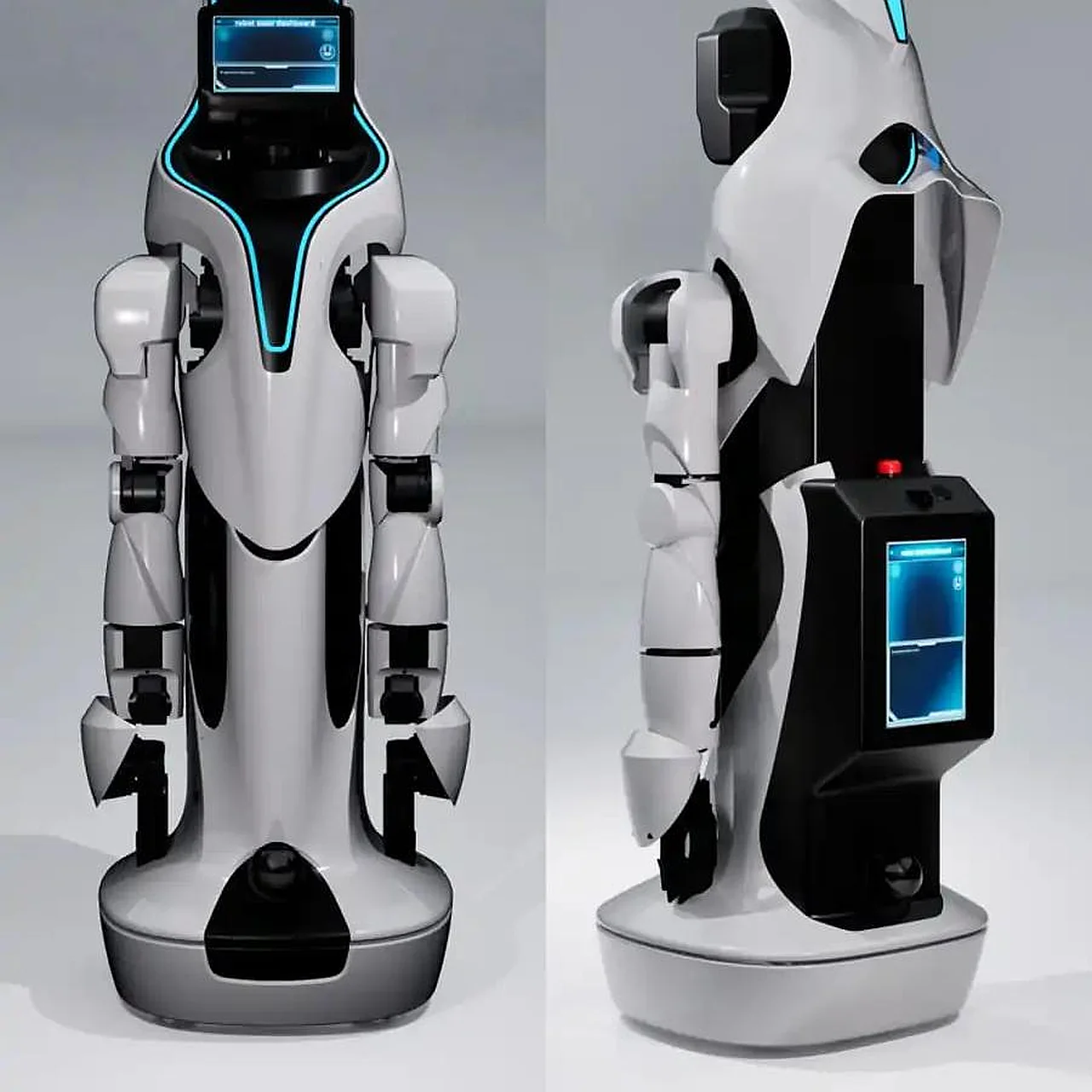
Japanese automotive giant Toyota is taking an unprecedented step as part of a radical modernization of its global manufacturing networks. According to ixbt.com, the company plans to introduce approximately 400,000 ELEY humanoid robots to work alongside humans at its group facilities. This large-scale project aims to further optimize the assembly process of Toyota vehicles. This is reported by news source.
The acronym ELEY stands for Embodied Learning Robot for Enhanced Yield, and these devices are designed to increase efficiency. Weighing nearly 50 kilograms, the robot is powered by a battery or the electrical grid. Its structure uses a mobile wheeled platform instead of legs, with the upper part designed in a human-like form.
Workspaces designed for humans
The robot has two arms, each equipped with two fingers. The size of the ELEY body and the placement of its joints are adapted to the physique of an average Japanese male. This allows the robot to move seamlessly in tight and inconvenient spaces originally designed for human workers.Starting in 2028, Toyota and its subsidiaries intend to invest 1 trillion yen annually to modernize factories worldwide. According to the plan, 150,000 such robots will be installed at Toyota's own facilities, while the remaining 250,000 will begin work at factories of other companies within the group.
Precision operations and training process
ELEY is designed to perform very delicate tasks, such as grasping small parts, sorting them into containers, and even handling fabrics. The device has the ability to learn independently and optimize its sequences of actions. In a demonstration at the European headquarters, ELEY folded T-shirts. After about two weeks of training and nearly 1,500 attempts, the accuracy of the task execution approached nearly 100 percent.The robot training process relies directly on the experience of company employees. On some lines, workers perform routine tasks using special grips that mimic ELEY fingers. A special system records the human's movement, force applied, trajectory, and rhythm, converting it into training data for the machine.
Digitizing the knowledge of experienced masters
The knowledge of highly skilled specialists is of paramount importance to the company. Toyota employs approximately 18,000 experienced masters who hold internal status. Their practical skills, which are difficult to explain using simple manuals, are being digitized and transferred to the robots.In the future, it will be possible to share skills acquired by an ELEY at one factory with other Toyota robots worldwide. A reverse scenario is also being considered—trained robots will assist new employees in learning production processes. Toyota Vice President Hiroki Nakajima emphasized that the main goal of the project is not to replace employees with machines, but to create an environment where humans and robots work in collaboration. Today, Toyota has about 60 facilities worldwide, employing approximately 391,000 people.


Comments 0
…