


The Dawn of the Space Age: 69 Years Since the Launch of the First Satellite
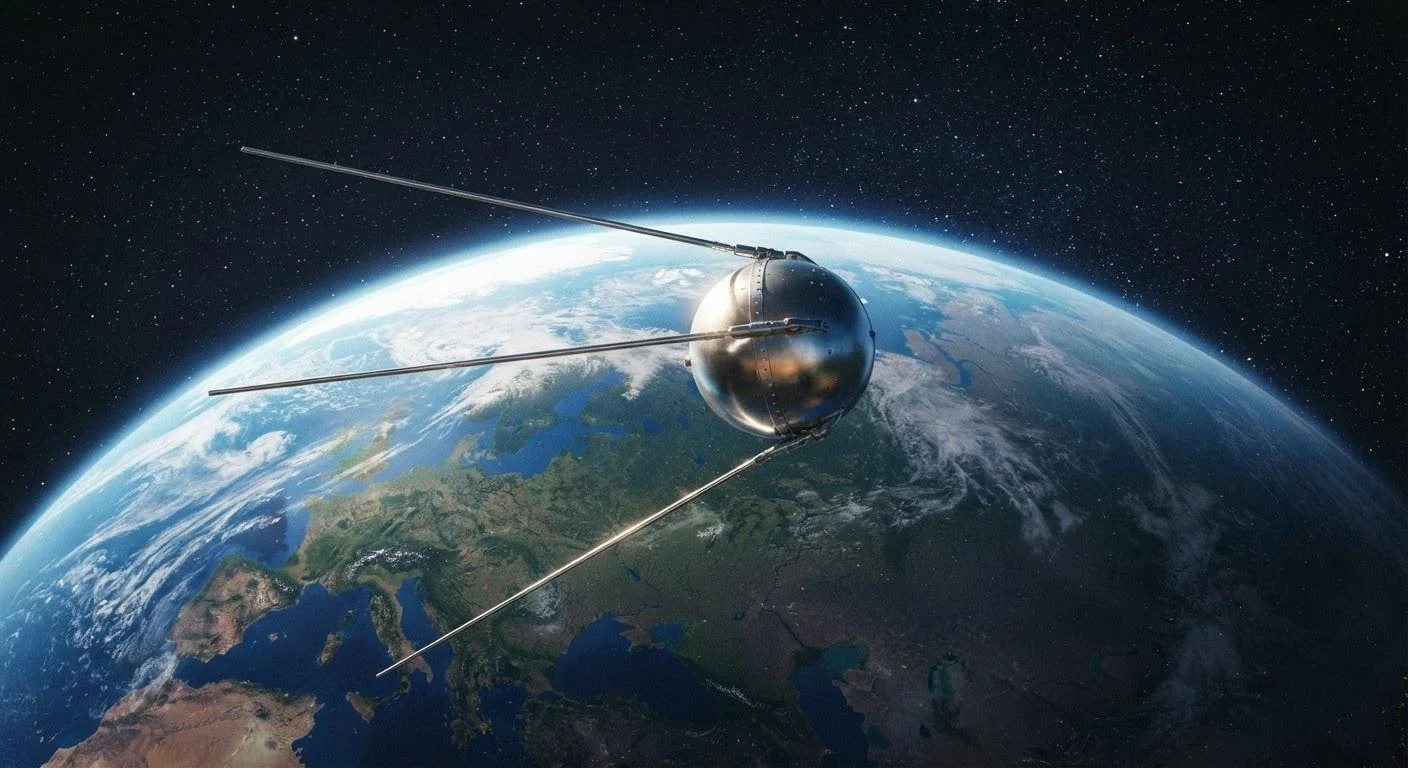
69 years ago, on October 4, 1957, the Soviet Union launched the first artificial Earth satellite, PS-1, into orbit. This historic event marked the beginning of the space age for humanity and laid the foundation for the development of communication, navigation, and global surveillance technologies that are essential to our daily lives today. This is reported by Ixbt.com reports .
According to Ixbt.com, the first spacecraft was a relatively small metal sphere with a diameter of just 58 centimeters. Weighing 83.6 kilograms, this device was considered an engineering marvel for its time.
A Historic Signal and Its Significance
PS-1 transmitted the world-famous "beep-beep" signals using radio transmitters operating on two frequencies. This signal could be received not only by specially equipped ground stations but also by amateur radio enthusiasts using their own equipment in various countries.Over the decades, satellite technology has undergone a massive evolution, ranging from simple orbital radio frequency transmission to today's most complex remote sensing, global navigation, and high-speed communication systems.
The Era of Practical Space Exploration
The first apparatus in the history of cosmonautics operated in orbit for a total of 92 days before burning up in the atmosphere on January 4, 1958. Nevertheless, its successful launch took its place in history as the first and most important step in humanity's practical exploration of space.Even today, October 4 is recognized as the starting point of the space age. Thanks to this small metal sphere, humanity now has the ability to predict climate change, observe our planet from space, and establish instant communication with any point on Earth.


Comments 0
…