


New image of Starlink V3 satellites captured in space
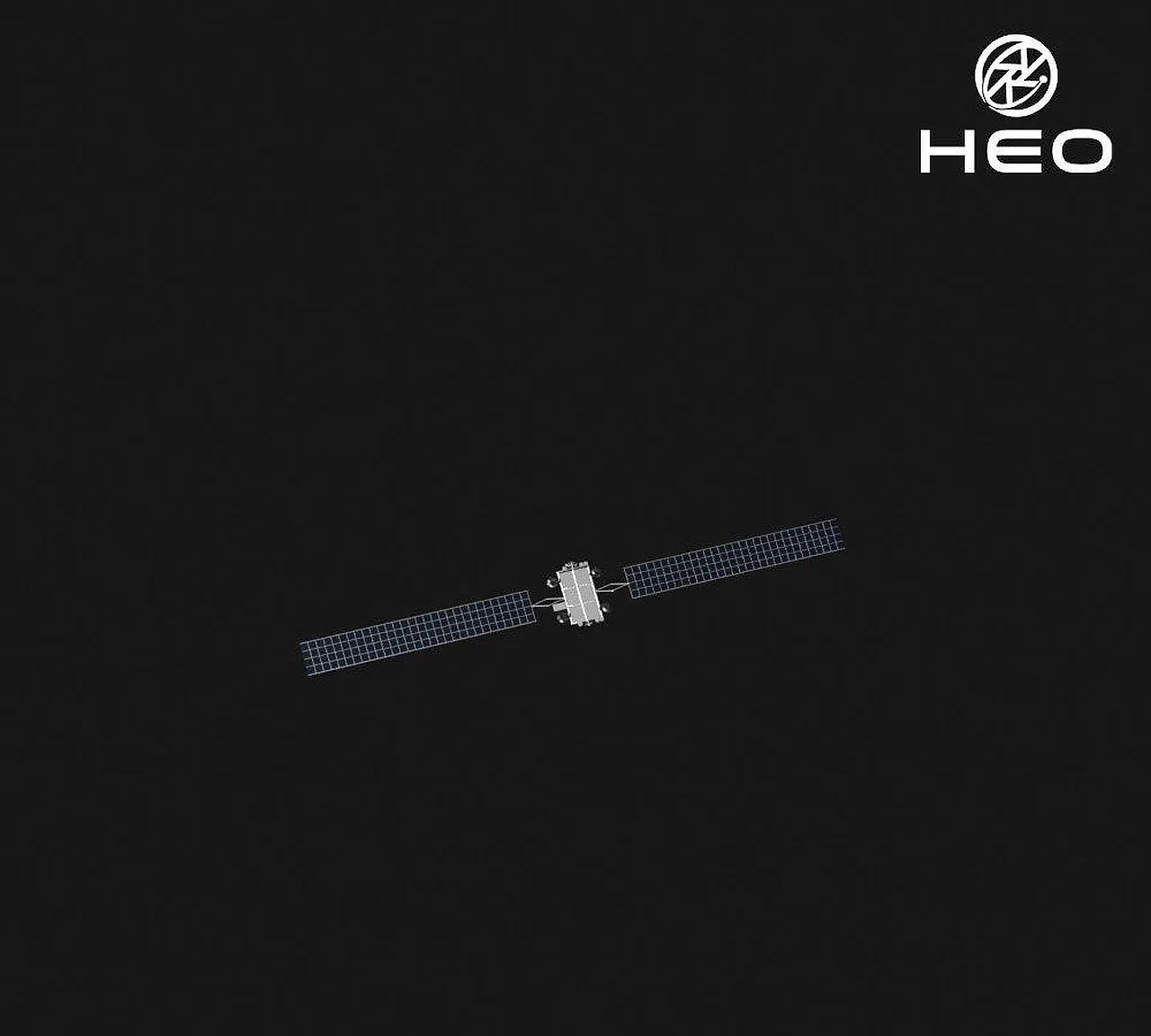
The new generation of Starlink V3 satellites launched into orbit by SpaceX has begun actively increasing altitude to perform their missions. According to ixbt.com, the first image of these massive space devices has been successfully captured, and their movement is now being monitored by experts. This is reported by news from Ixbt.com.
It is reported that the first Starlink V3 units sent into space as part of the 14th Starship test flight managed to reach an intermediate orbit about a week after launch. They have climbed 19 kilometers from their starting point and are currently moving at an altitude of approximately 295 kilometers. Additionally, four more units are continuing the process of reaching the required altitude independently.
Argon engines and their uniqueness
Renowned astrophysicist Jonathan McDowell notes that the satellites' relatively slow movement and gradual altitude increase are directly related to their technical design. The devices utilize special Hall-effect electric thrusters that operate on argon gas.Although these engines are highly efficient, their thrust is quite low. Consequently, the process of changing orbits takes longer compared to traditional chemical engines. Nevertheless, argon technology will play a crucial role in ensuring long-term and cost-effective flights in the future.
The first image in space and its significance
Simultaneously with orbital processes, HEO company presented the first image of a Starlink V3 unit in space on September 30. The image was captured by another satellite from a distance of 230 kilometers, with a resolution of approximately 34 centimeters per pixel.The captured frames clearly show the main body of the new generation satellite and its two deployed solar panels. HEO experts stated that the Starlink device was in the expected orientation designed for the orbit-raising phase.
Test period and future plans
As the Starlink V3 units approach their permanent operational orbits, the HEO network will be able to monitor them even more closely. This will provide valuable data for detailed study of the movements of this new type of satellite.It is worth noting that the first group of Starlink V3 satellites currently has an experimental status. The US Federal Communications Commission (FCC) has granted SpaceX permission to conduct these tests for 60 days. Therefore, these devices are not yet being used to provide commercial internet services to regular subscribers.


Comments 0
…