


SpaceX plans to launch Starlink V3 satellites into orbit using Starship for the first time in its history
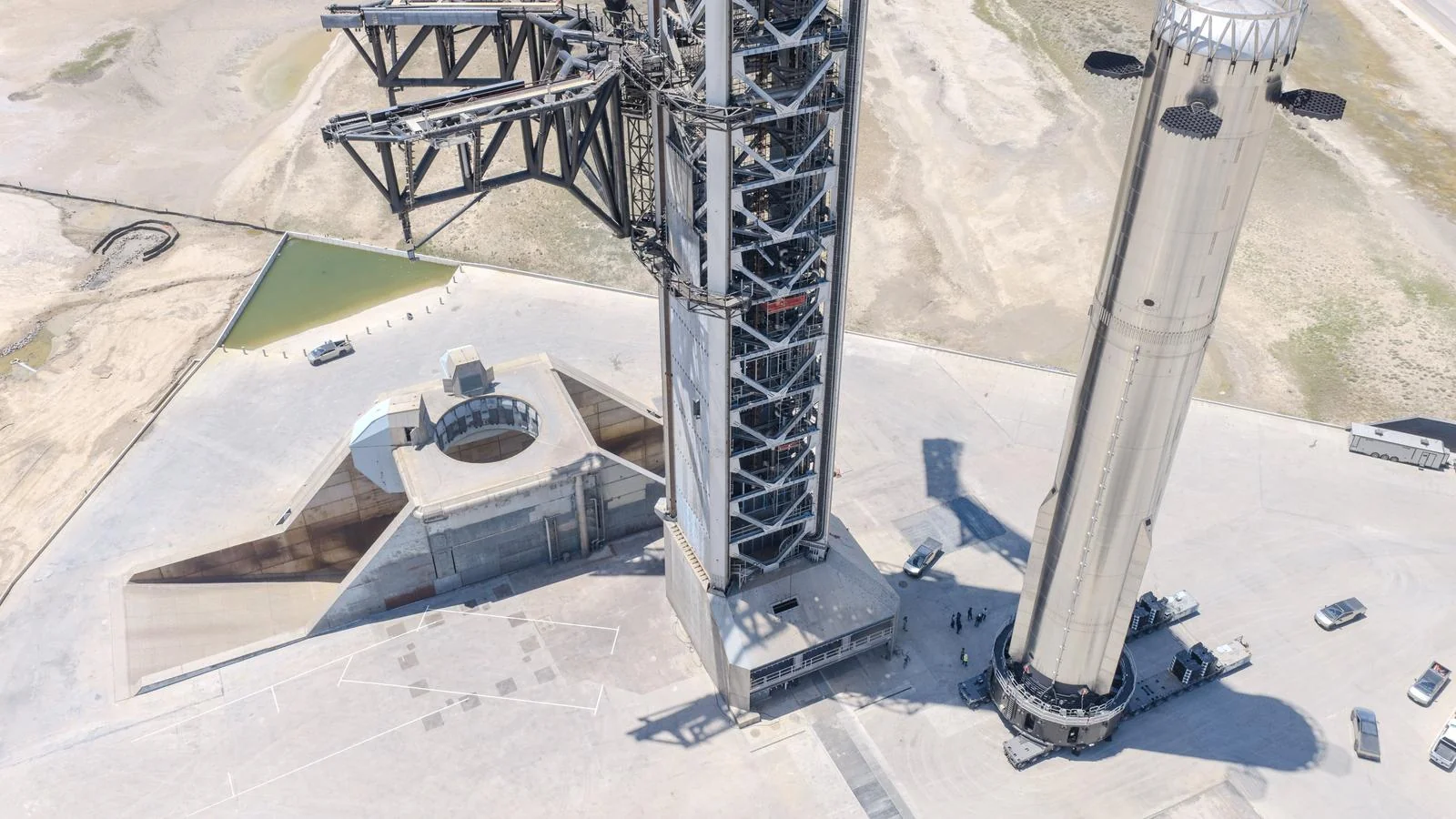
One of the most ambitious projects in the aerospace industry, SpaceX's Starship system, is expected to perform its first orbital flight in history and deliver next-generation Starlink V3 units into space. According to ixbt.com, the company has submitted an official application to the US Federal Communications Commission (FCC) regarding the use of radio frequencies during the upcoming mission. This is reported by news source.
Based on the parameters in the document, it can be assumed that this mission will have the status of a true orbital test. The main intrigue lies in the payload, as the flight plans to deploy Starlink V3 satellites into low Earth orbit. If all plans remain unchanged, Starship will not only demonstrate the operation of its system but also fulfill its first mission as a functional orbital cargo carrier.
Next-generation Starlink V3 satellites and future plans
Recall that although satellites were launched into space during the previous test flight, they did not reach orbit and burned up in the atmosphere, which was part of the flight plan. However, this time the situation is more serious, as SpaceX aims to successfully deliver the new generation of Starlink V3 hardware using Starship.The company previously filed an application with the FCC to launch a constellation of 100,000 such units. Due to their large size and weight, these next-generation satellites require launch via Starship rockets, as traditional Falcon 9 rockets are not suitable for this task.
Future weekly flights and lunar missions
NASA representative Jared Isaacman stated that starting in 2027, test launches of the massive transport system could occur almost weekly. This will drastically increase the frequency of space flights and bring humanity's space exploration efforts to a new level.Additionally, SpaceX is actively developing a special lunar version of the Starship spacecraft for upcoming missions under the Artemis program. Recently, the company successfully completed a full-scale test of the Super Heavy booster by firing all 33 Raptor engines simultaneously.


Comments 0
…