


ESA explores its own orbital station post-ISS
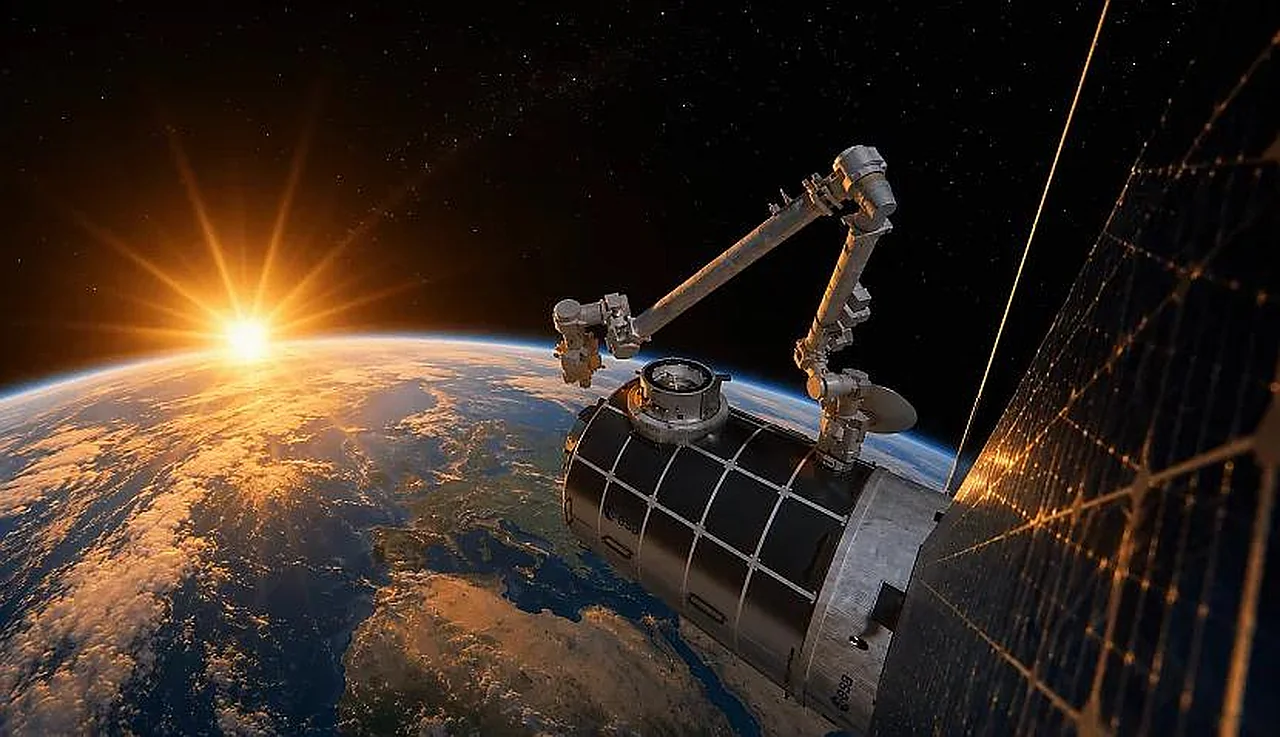
The European Space Agency (ESA) has begun evaluating the possibilities of building its own European orbital station after the International Space Station (ISS) concludes its operations. According to ixbt.com, the agency has launched two parallel studies, which could be an important step in maintaining Europe's own scientific and technological base in low Earth orbit. This is reported by news source.
Contracts have been signed with consortia led by Airbus Defence and Space and OHB to conduct these strategic studies. The project duration is nine months, during which experts will conduct an in-depth analysis of the future space complex's architecture, infrastructure, and life support systems.
Key project directions
During the studies, engineers will not only evaluate the station's architecture but also thoroughly assess issues related to transporting crews and cargo to orbit. Identifying the necessary technologies and industrial capacities to create the complex is also set as one of the primary tasks.According to plans, the proposed new station should ensure the continuous presence of humans in low Earth orbit, the conduct of various scientific experiments, and the testing of the latest technologies. However, at the current stage, ESA has not yet made a final decision on building this station.
Europe's future space prospects
The European complex is being considered as one of several alternative options for maintaining the continent's presence in low Earth orbit. In particular, opportunities for participating in commercial orbital stations of other operators are also being reviewed. The results of the study will serve as a key source for ESA member states in making future important decisions.It should be noted that Europe has accumulated vast experience during its participation in the ISS program. The European Columbus laboratory and the European Service Module developed for the US Orion spacecraft are among these examples.
Currently, European companies are simultaneously developing transport systems, habitation modules, life support systems, robotics, and in-orbit servicing for spacecraft. This serves as a solid foundation for future independent projects.


Comments 0
…