


Zap Energy to build fission reactors alongside fusion ones
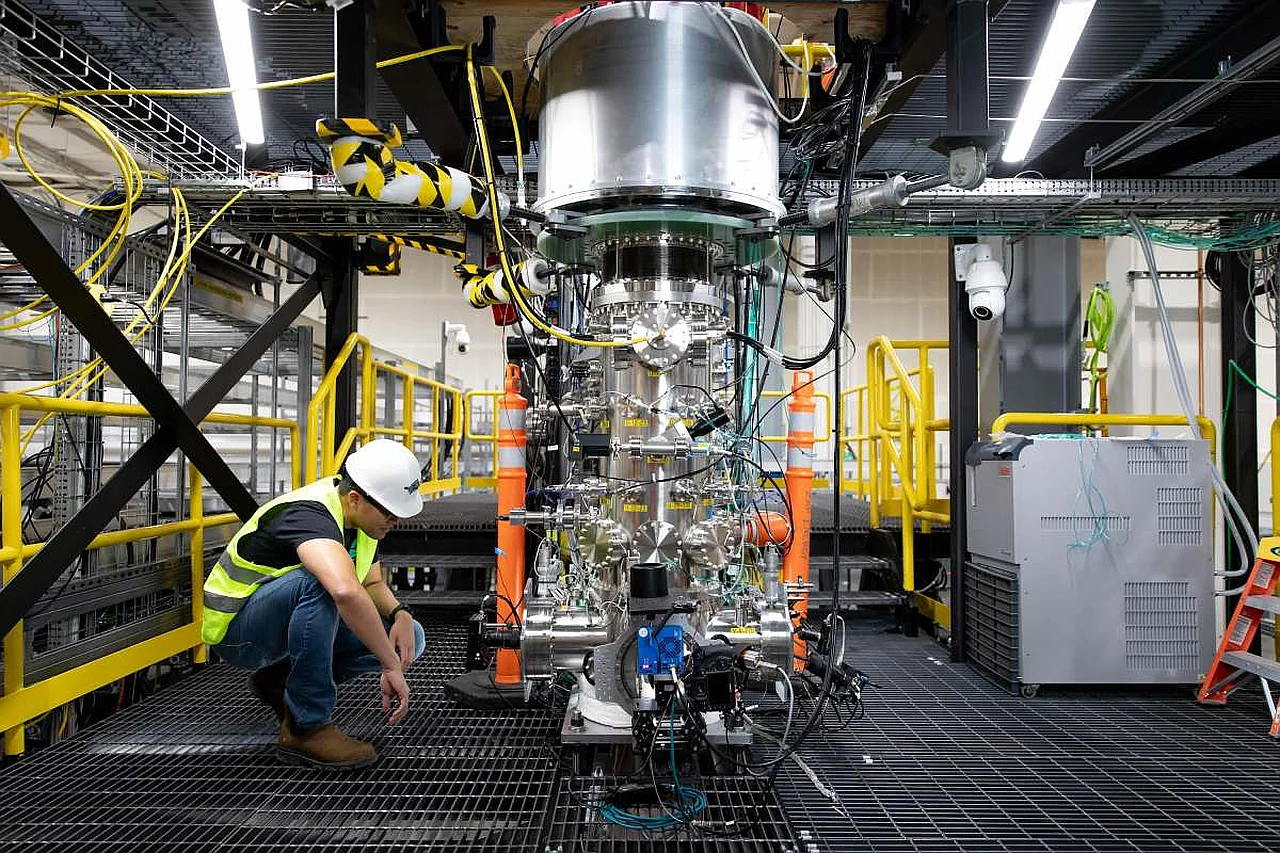
Zap Energy, a nuclear fusion startup, has announced plans to develop nuclear fission reactors alongside its core fusion technology. The company determined that creating a fission power plant would be quicker and more feasible, especially in light of the growing energy demand driven by artificial intelligence data centers, which is expected to triple by 2030. With over $300 million in funding, Zap Energy aims to start generating revenue from its fission reactors within a year, leveraging federal programs and the needs of energy-intensive companies. The fission reactor design is a collaboration with Toshiba and Japan's Energy Research Institute, and the new CEO, Zabrina Johal, emphasized the dual nature of fission and fusion as complementary technologies.
The fusion startup Zap Energy has announced that it will develop nuclear fission reactors alongside its primary devices. After studying the path to building a functional power plant, the company concluded that creating a fission plant first would be faster. Techcrunch.com reports on this.
The company's new CEO, Zabrina Johal, emphasized that fission and fusion are two sides of the same coin. Zap Energy is considered one of the best-funded startups, having raised more than $300 million in investment.
This decision was made against the backdrop of growing energy demand from artificial intelligence data centers. By 2030, this demand is expected to increase nearly threefold.
Technology companies need electricity now, but fusion plants will not be ready for at least another decade.
Fission reactors are considered much more commercially viable. Zap Energy plans to start generating revenue from its new business within a year.
Revenue could come from federal programs of the departments of defense and energy, as well as from companies requiring large amounts of electricity.
The startup's fission reactor is based on the 4S design, jointly developed by Toshiba and Japan's energy industry research institute. According to Johal, demand will be so high in the 2030s that the company will easily find its customers.



Comments 0
…