


New Nuclear Reactor Connected to National Grid in China
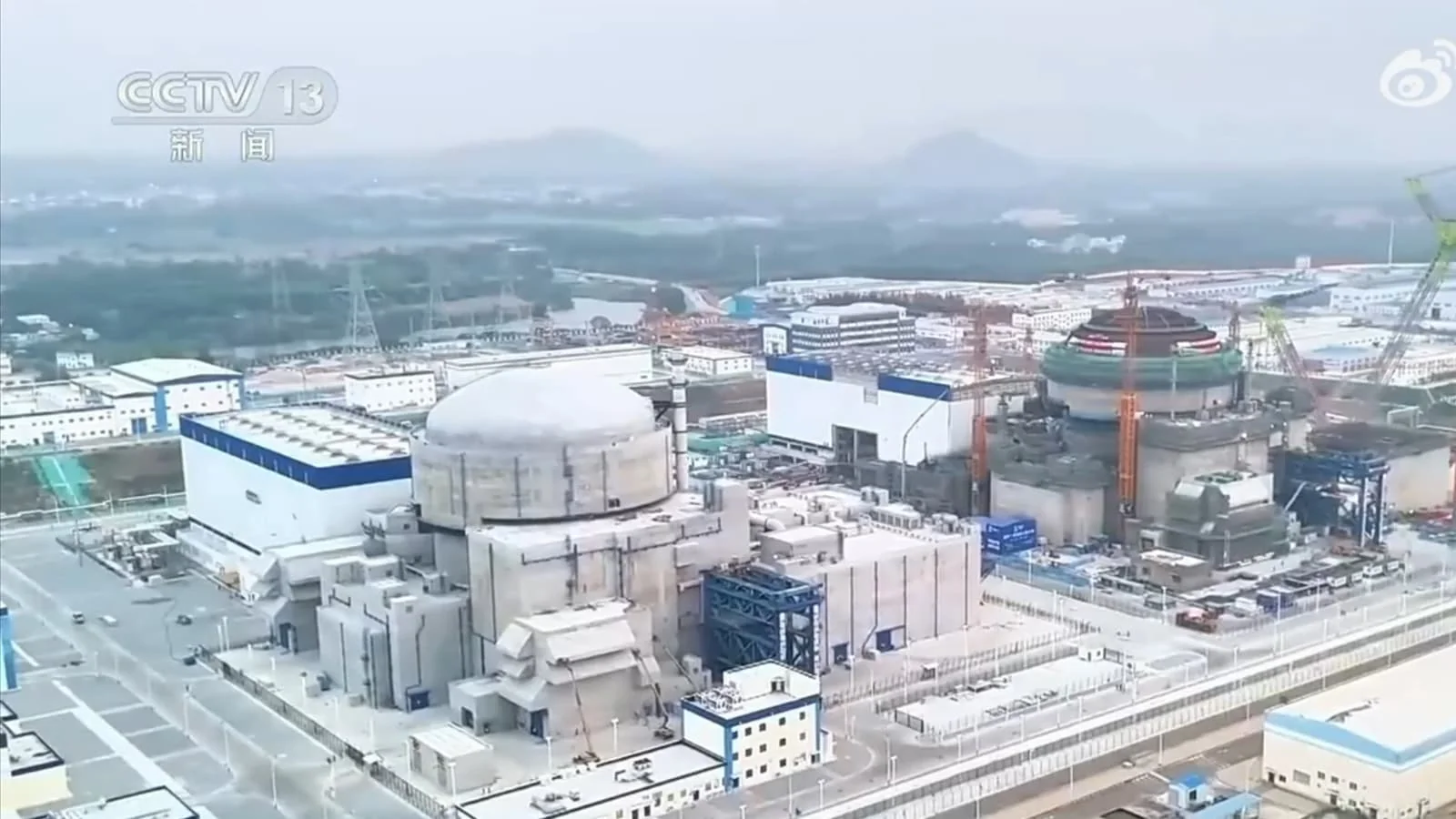
Taking an important step in the development of its nuclear energy, China has connected the third power unit of the Changjiang NPP located on Hainan Island to the national power grid for the first time. According to state television, this is the first Hualong One reactor commissioned in this region of the country. Connecting to the grid means the device has started generating electricity for the first time, reports Ixbt.com .
Currently, the new power unit is awaiting final-stage testing before its full-scale industrial launch. Specialists will gradually increase the reactor's power and comprehensively test the stability of all systems. This project is expected to play a crucial role in ensuring the country's energy security and reducing environmental load in the future.
Modern Security Technologies
The main distinctive feature of the project is that it is built entirely on domestically developed third-generation Hualong One technology. The reactor is equipped with a modern complex of active and passive safety systems capable of operating stably even in severe accident scenarios. This takes the station's reliability to a completely new level.In particular, one of the most important elements of the project is the passive emergency cooling reservoir located under the reactor building's dome, which stores approximately 2,400 tons of water. In any unexpected situation, without external power supply, pumps, or human intervention, water is automatically directed to the reactor by gravity. According to the developers, this reserve is sufficient to cool the reactor continuously for 72 hours.
Environmental Efficiency and Performance
To protect the reactor from external impacts and prevent the release of radioactive substances, a double containment structure has been installed. The inner shell is made of reinforced concrete about 1.3 meters thick and reinforced with a steel lining, while the outer shell is made of high-strength concrete up to 1.8 meters thick.The second phase of the Changjiang NPP includes two power units with a capacity of 1.2 GW each. Once construction is fully completed, they will have the capacity to generate 18 billion kWh of electricity per year. According to Chinese estimates, this will save nearly 6.3 million tons of standard fuel and reduce carbon emissions by 11.6 million tons annually.


Comments 0
…