


Repaired An-22 military aircraft crashes in Russia
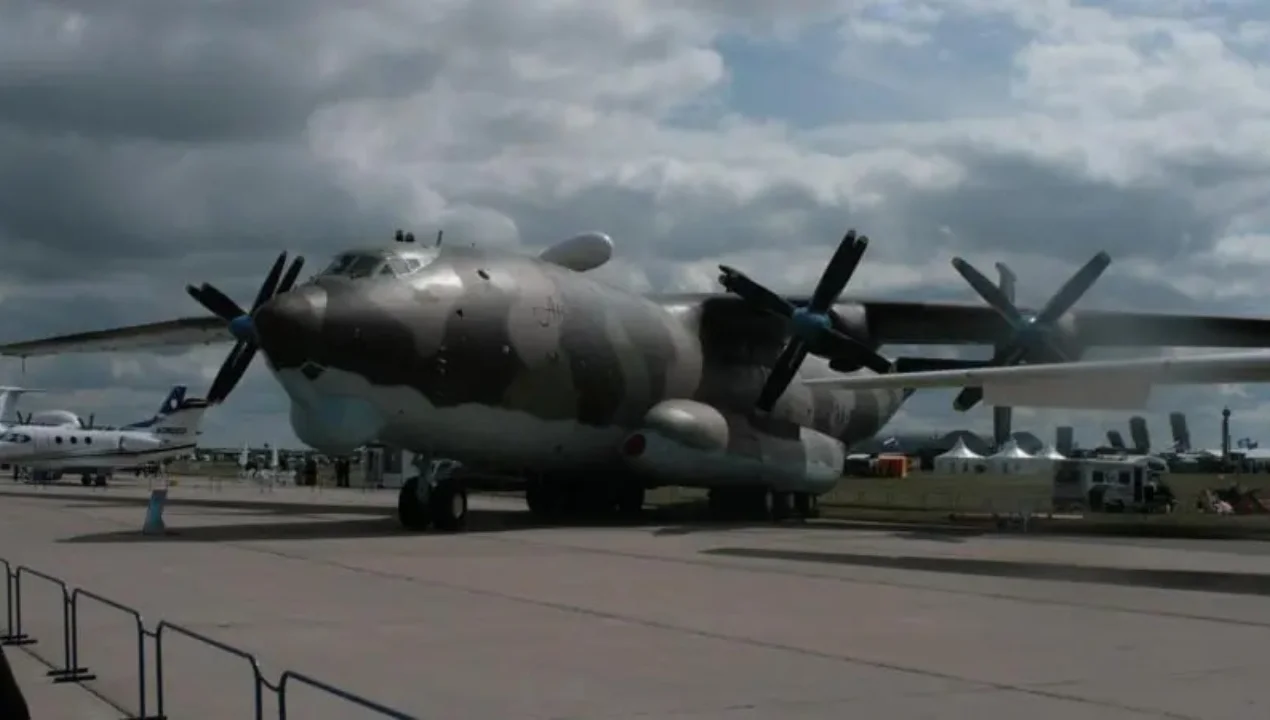
The An-22 turboprop giant, which occupies a unique place in Russian military aviation, was remembered once again - this time for a tragic reason. On December 9, during a test flight after repairs, this giant aircraft crashed in the territory of the Ivanovo region. The incident caused serious concern for both the Russian Ministry of Defense and aviation fans.
According to the ministry's official statement, the plane landed in an uninhabited area. Search and rescue teams were immediately activated and headed to the scene to gather information about the fate of the crew members. According to a TASS source, there were seven people on board.
The 60-year-old giant's final flight
The An-22 "Antey" is the largest and most powerful turboprop military transport aircraft of the Soviet era. Since its inception, it has successfully performed tasks such as transporting heavy loads, serving long flights, and landing in challenging landscapes.
In 2025, it will be 60 years since the first flight of this model. However, no matter how strong the equipment is, its operation is not limitless - the last An-22 remaining in operation in Russia also crashed during a test flight after the next scheduled maintenance.
According to Kommersant, the plane "suddenly split in the air." Fragments of the fuselage fell into the reservoir near the village of Ivankovo.
Why is this aircraft of historical significance?
BBC military analyst Pavel Aksyonov describes the An-22's role in aviation as follows:
- For a long time, it remained the world's largest military transport aircraft.
- It still holds the record as the largest turboprop aircraft.
- Despite its high lifting capacity, new generation machines like the modern An-124 and Il-76MF have overtaken its tasks.
- The ability to descend on difficult-to-prepare runways is one of its most unique features.
However, due to the shortage of medium and light-class transport aircraft in the Russian military fleet, the service life of large models, such as the An-22, has been extended several times. In practice, however, most of them are techniques that should become museum exhibits.
The cause of the accident is still unknown
The cause of the accident has not yet been determined. Nevertheless, experts include among the main versions the possibility of natural wear and tear, metal fatigue, and depletion of the unit's operational life over 50-60 years of service.
There are many questions from the public until the investigation gives an official conclusion:
- Why are such older equipment still in flight?
- Were the technical conclusions fully implemented?
- What dangers does this represent for Russian military transport aviation?



Comments 0
…