


9 mysterious new species discovered at the bottom of the ocean
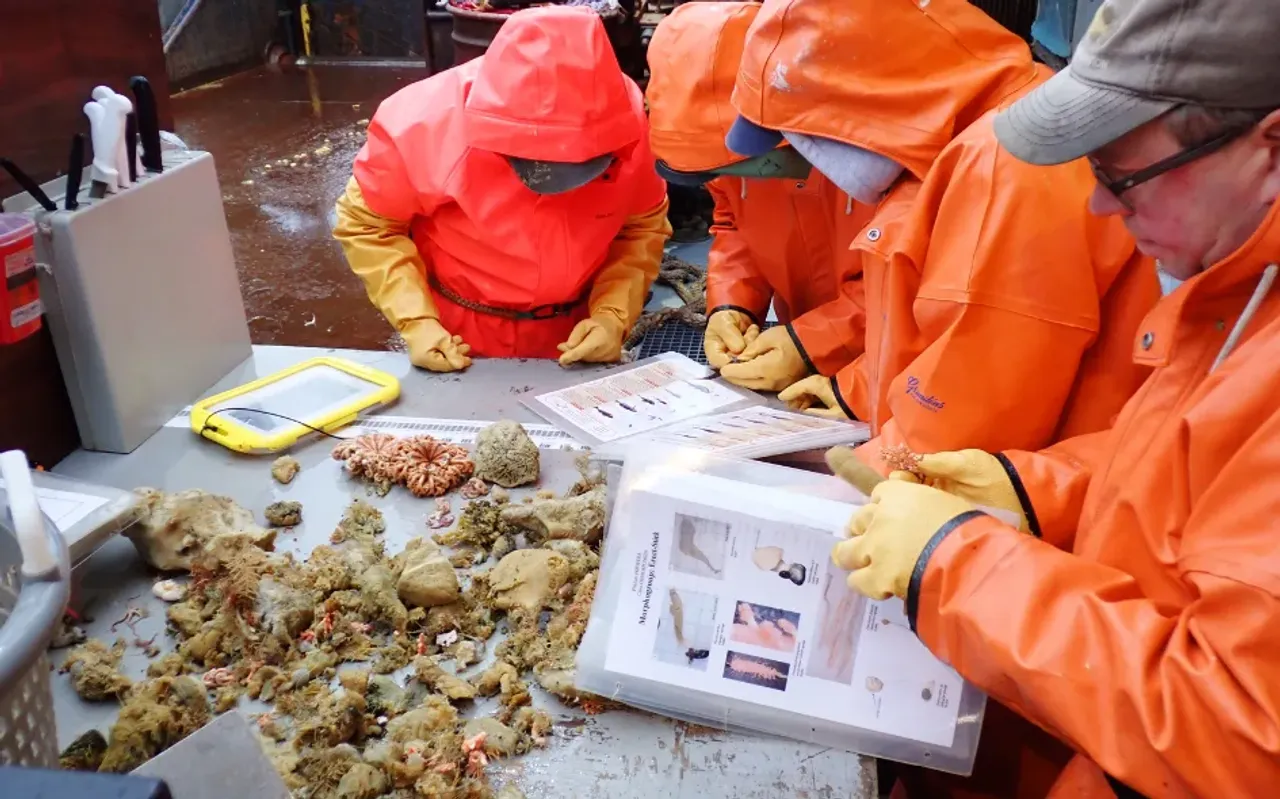
An unexpected discovery was made by scientists at the bottom of the freezing and dark ocean near Alaska. Researchers have identified 9 new species of sea sponges previously unknown to science.
The new species were identified during the analysis of samples taken from the deep waters around the Gulf of Alaska and the Aleutian Islands. This was reported by the US National Oceanic and Atmospheric Administration (NOAA).
How many secrets are still hidden at the bottom of the ocean?
Interestingly, scientists did not find these creatures by accident recently. The samples were collected during NOAA's long-running marine research expeditions. Some of the samples have been preserved since 2012 and were subsequently subjected to special microscopic and genetic analyses.
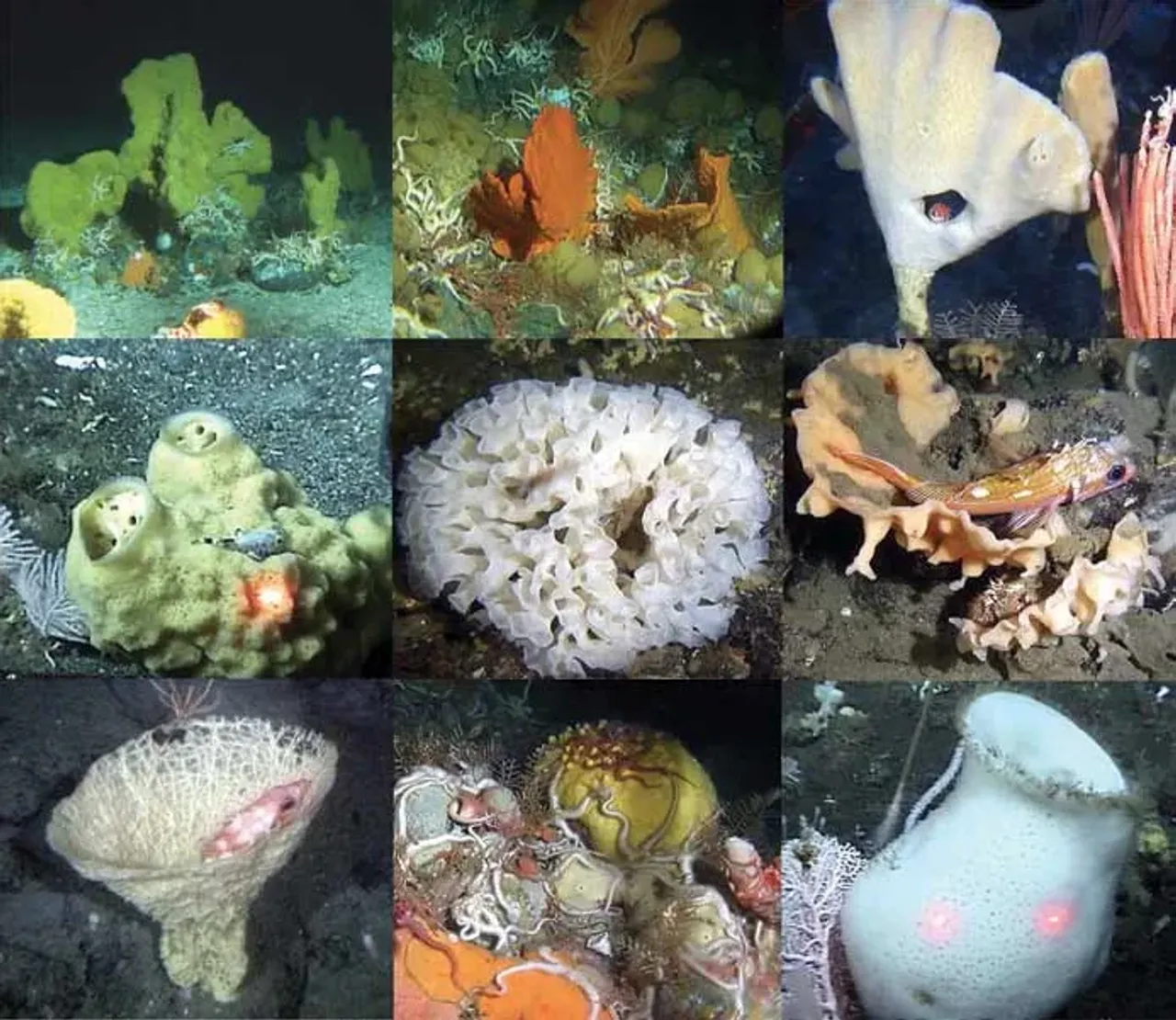
As a result of the tests, it was determined that 9 samples represent independently new species. They belong to six different groups, and some differ sharply from one another in their external appearance and internal structure.
One of the most interesting aspects is that one of the new species was so unique that scientists had to create an entirely new genus to classify it. Another species became the first known representative in a cold region like Alaska of a group previously found mostly in tropical areas.
They are not ordinary "sponges"
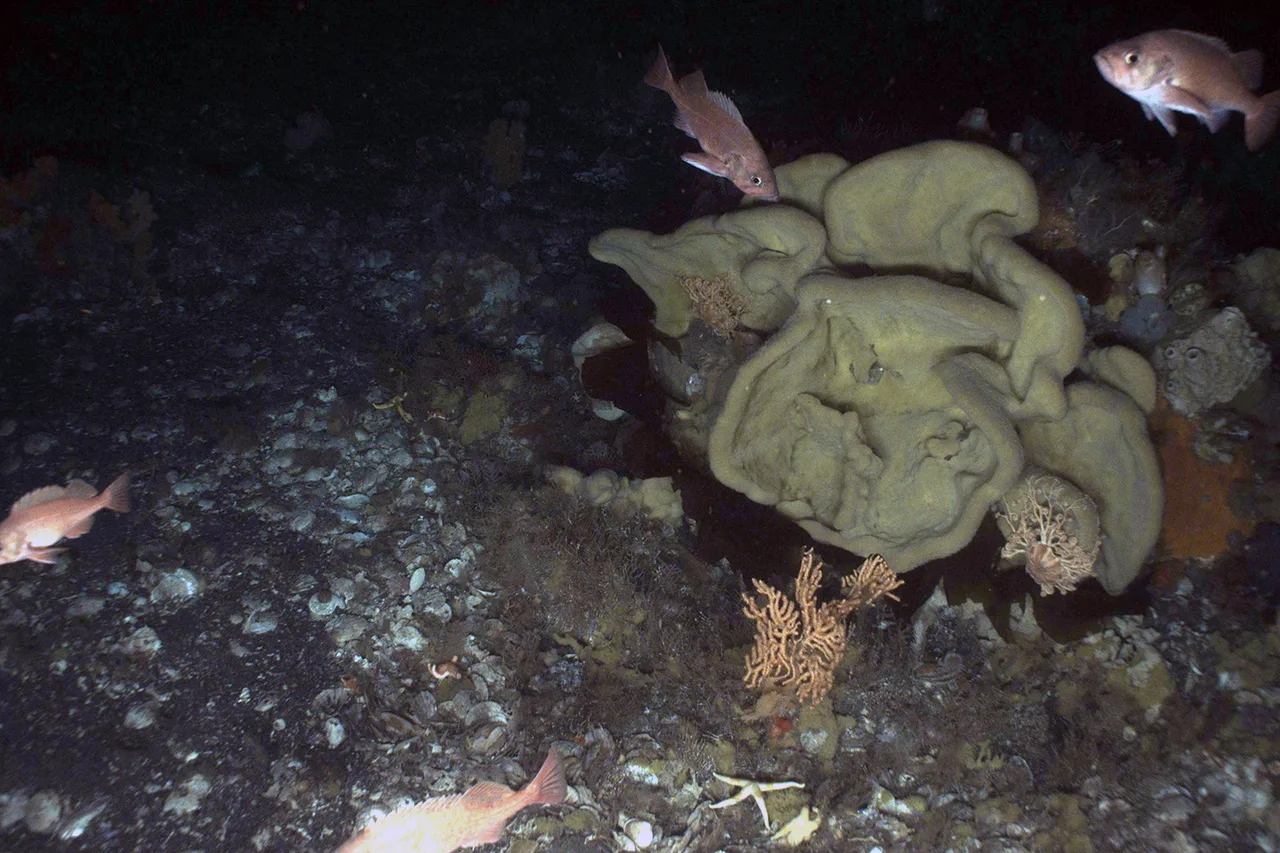
Although sea sponges look like very simple creatures from the outside, they play a vital role in the ocean ecosystem. They filter water and create hiding and shelter spots for other animals at the ocean floor.
Some fish and crabs hide among sponges. It has even been found that certain fish species lay their eggs inside the sponges.
Scientists note that 232 species of sea sponges are known in Alaskan waters to date. However, since a large part of the deep ocean remains fully unexplored, many more unknown species may be discovered in the future.


Comments 0
…