


Are first-born children smarter?: Scientists have proven an unexpected reason!
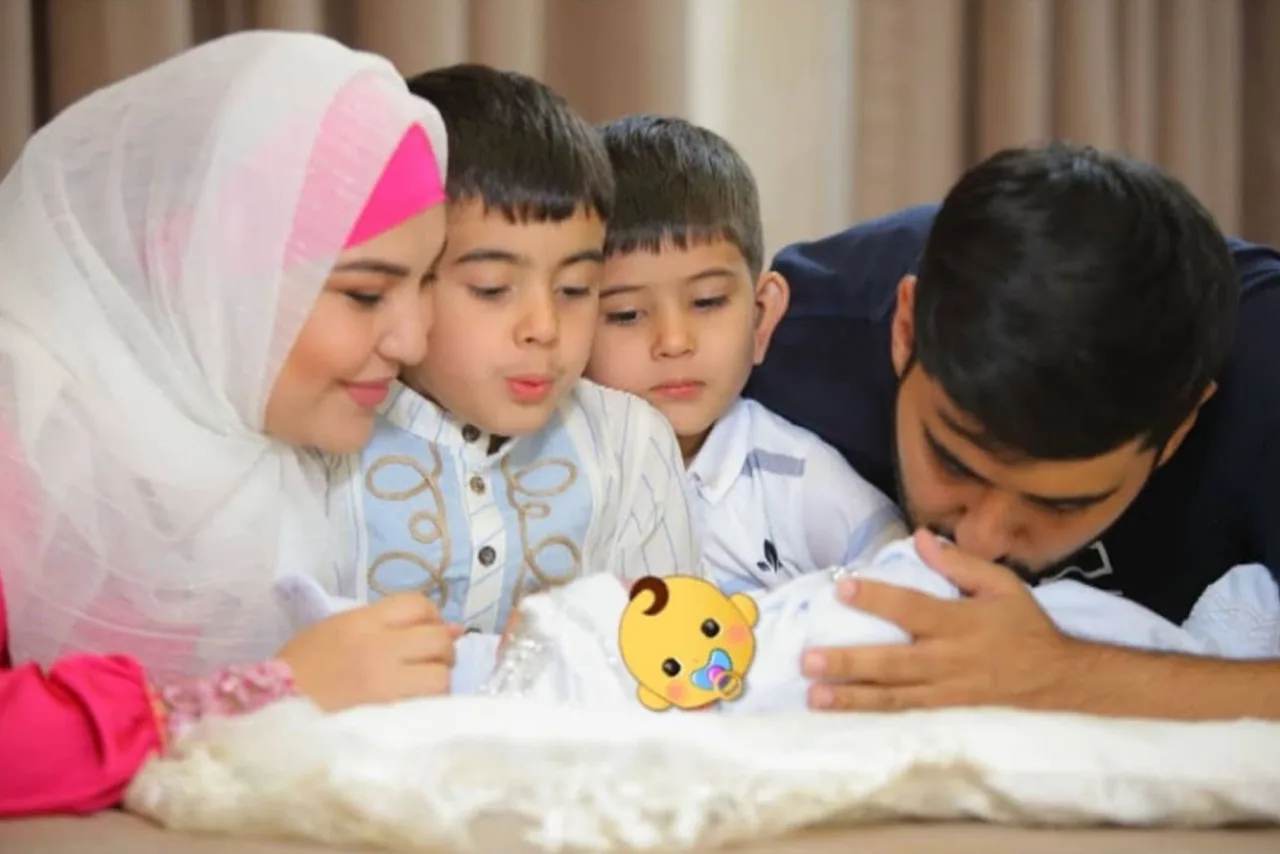
Can birth order in a family determine a person's future intellectual potential and success? Large-scale scientific research conducted by a group of international researchers and psychologists has shed light on this issue, which has been a subject of debate in society for years. Scientists have proven that the "IQ" (intellectual potential) level of the first-born child in a family is almost always higher than that of younger brothers and sisters born later.
Experts note that this mysterious phenomenon is not directly related to any heredity or complex genetics, but rather to the completely natural psychological environment and upbringing factors within the family. When the first child is born, all of the parents' attention, affection, and intellectual communication are directed solely toward them. However, with the birth of subsequent children, time and attention in the family are naturally distributed, resulting in younger children having fewer one-on-one interactions with adults.
So, what are the main psychological mechanisms that develop the intellect of first-born children, how can this gap in younger children be filled, and how should parents ensure equality among children?
«Not genetics, but endless attention»: The scientific chronicle of the first-born phenomenon
The main patterns identified by psychologists and neurobiologists:
Absolute exclusivity in the early years: The first child grows up under 100% of their parents' time and continuous developmental attention during the early period of life;
Wealth of language and speech: First-born children who talk a lot one-on-one with adults develop a larger vocabulary and the ability to express thoughts faster;
Division of attention: After the birth of the second and subsequent children in the family, the parents' daily energy and time are forced to be distributed equally;
More time with peers: Younger children often communicate with their older brothers or sisters rather than adults, which slightly slows down the pace of accepting complex knowledge in adult language;
The role of "mentoring": First-born children reinforce their own knowledge and strengthen logical thinking skills by teaching younger ones.
Comparative analysis of birth order and upbringing conditions
The proportionality of attention paid to the first and subsequent children in the family:
Indicators and criteria | First-born child | Younger (subsequent) children |
Intellectual potential ("IQ") indicator | Statistically higher | Average or slightly lower pace |
Volume of parental attention | Complete and monopolistic (in the early years) | Distributed among other children |
One-on-one communication with adults | Many hours of one-on-one conversations and games | Limited time, group environment |
Main influencing factor | Educational investment and constant supervision | Freer environment and older siblings' experience |
Development of personal skills | Leadership, responsibility, and academic precision | Adaptability, creativity, and conciliatory nature |
Psychological analysis: What do experts recommend to parents?
Conclusions of experts in child psychology and education:
This is not a verdict: This difference in "IQ" level does not determine a child's future; younger children often excel in social intelligence and practical relationships;
Special time for younger children: Parents should dedicate at least 15–20 minutes a day to reading books and having one-on-one conversations with their younger children away from others;
Maintaining educational balance: Placing excessive responsibility on the first-born child while spoiling the younger ones does not create a healthy family environment;
Supporting individual abilities: Every child has unique talents — while one may be strong in logic and exact sciences, another may have developed creativity and art.
This scientific study once again proved that human intelligence is more the result of affection, communication, and dedicated family time than nature's gift.
What birth order are you in your family, and have you noticed whether you received more or less attention? In your opinion, does birth order really play a major role in a child's future success? Leave your personal experience and thoughts in the comments and share this scientific analysis with all your brothers, sisters, and friends who complain about getting less attention in childhood!



Comments 0
…