


Scientists Transplant Human Brain Tissue into Mouse Brain
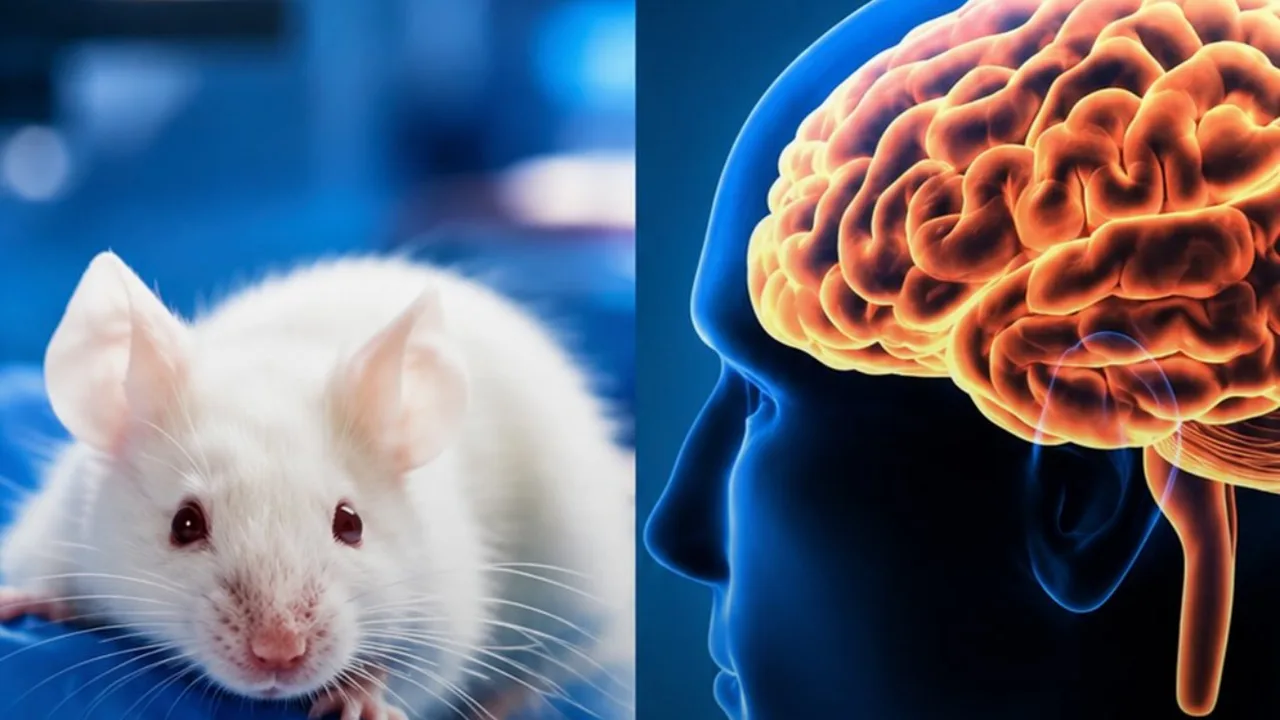
Scientists at Stanford University have successfully grown human brain tissue in a mouse organism and connected it to its nervous system. The study was published on September 16 in the journal Nature.
For this, the researchers used mice that were genetically modified so that a large part of their brain, particularly the cerebral cortex, would not develop. They were then transplanted with cortical organoids grown in the laboratory from human stem cells — small, self-organizing structures of human brain tissue.
As a result, the human tissue survived and actively developed in the mouse brain. According to the study, two to three months after transplantation, the human tissue expanded nearly fivefold, occupying more than 90 percent of the vacant brain region. Human neurons connected with nerve cells in the mouse brain, and even reached the spinal cord via nerve fibers.
The researchers note that this method provides new opportunities for studying human brain development and neurological disorders that occur before birth. In the future, such models could be useful for studying the mechanisms of conditions such as autism, cerebral palsy, schizophrenia, and epilepsy, as well as testing treatment methods.
The experiment also raises ethical questions. In particular, the issue of whether the cognitive abilities of an animal might change when human brain tissue is transplanted into its brain is being discussed. However, in the current experiment, no evidence was found that the mice developed human-like consciousness or complex thinking. During the study, their behavior did not differ drastically from that of ordinary mice.
Scientists note that the new model is important because it allows the human brain to be studied inside a living organism, interacting with its blood vessels and nervous system.


Comments 0
…