


The plan failed: Donald Trump's unexpected "backfire effect" during the greeting of Xi Jinping
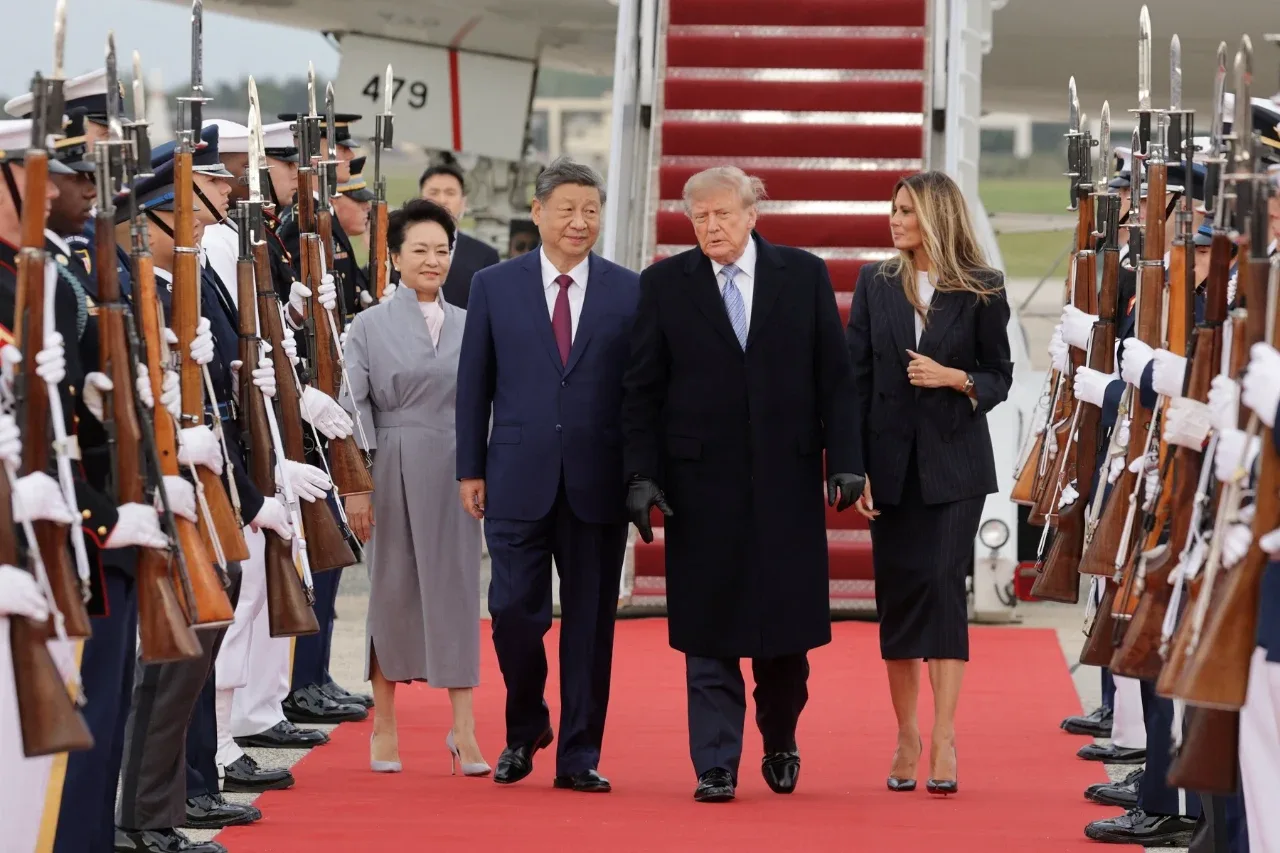
At one of the most delicate and historic moments of global geopolitical competition between Washington and Beijing, an unexpected diplomatic move by the US administration caused a huge sensation in the international community. Personally welcoming Donald Trump, who arrived in the US on an official state visit, Chinese President Xi Jinping was met with a surprise display of US Air Force strategic B-1 Lancer heavy bombers, deployed to awe his Chinese counterpart and demonstrate American military might.
Carefully thought out by the White House protocol and intended to exert psychological pressure on the Beijing leader while showcasing absolute American military supremacy, this sensational demarche unexpectedly produced the exact opposite effect. According to diplomatic circles and international analysts, against the backdrop of the Chinese leader's cool and composed character and Beijing's unparalleled patience-based Oriental diplomacy, this display of strategic aviation was perceived as Washington's apprehension and excessive anxiety.
So, why did Donald Trump decide to show force to Xi Jinping specifically with B-1 Lancer aircraft, why did this step yield a counterproductive result, and how did this event change the agenda of the summit between the two superpowers?
"B-1 Lancer flight, Xi Jinping's composure, and a diplomatic mistake": 5 key points of the event
The most important facts from the sensational reality at the Trump and Xi Jinping meeting:
Personal greeting and highest-level honors: Donald Trump personally welcomed Chinese leader Xi Jinping, who arrived in the US on a state visit;
Flight of strategic B-1 Lancer bombers: Supersonic strategic aircraft were launched into the sky to astonish the high-ranking guest and showcase military might;
Goal of psychological pressure: Through this display, Washington attempted to secure a strong position ahead of trade and geopolitical negotiations;
Unexpected "backfire effect": The show of force failed to impress Xi Jinping; instead, it exposed the awkward and aggressive stance of the US administration;
Victory of Oriental diplomacy: The Chinese delegation ignored this military show, focusing with complete composure on its strategic interests in the negotiations.
US-China Summit: Comparison of Trump's military demarche and the parties' positions
An analysis of Washington's show-of-force tactics and Beijing's diplomatic response:
Criteria and Directions | US Side (Donald Trump Administration) | Chinese Side (Xi Jinping Delegation) |
Visit Status and Interest | Turning a state visit into a platform for global hegemony | Strengthening legal equality and global economic partnership |
Chosen Psychological Instrument | Deploying B-1 Lancer strategic bombers | Absolute composure, restraint, and refusal to yield to overt provocation |
Targeted Main Goal | To astonish the Chinese leader and intimidate him with military might | Maintaining strategic stability and the firmness of one's position |
Final Outcome Received | "Backfire effect" — an impression of nervous anxiety rather than strength | Demonstration of moral and diplomatic superiority |
Protocol Format | A military show outside the bounds of standard diplomatic norms | Official, strict, and balanced interstate protocol |
International Public Assessment | Overly theatrical and inappropriate military pressure | High political culture and steadfast statehood resolve |
Geopolitical and Military Expertise: Why did the B-1 Lancer demarche work against Trump?
Conclusions of international security analysts and orientalists:
Showing force in Eastern philosophy is a sign of weakness: In Chinese political culture, openly flexing muscles and boasting weapons is interpreted not as strength, but as proof of nervousness, insecurity, and a lack of alternative arguments; by showing bombers to Xi Jinping, Trump revealed diplomatic weakness before Beijing;
The symbol of the B-1 Lancer and its meaning: The supersonic B-1 Lancer is considered a weapon capable of carrying nuclear and heavy cruise missiles; using it in a peaceful diplomatic summit as a symbol of friendship or partnership contradicts interstate ethics and cracks the sincerity of the negotiations;
Beijing's preparedness and countermeasures: China is already considered the second superpower, possessing its own hypersonic weapons, modern navy, and air defense systems; trying to scare a leader with such an arsenal through the roar of airplanes was completely detached from reality;
Difference between internal and external audiences: This demarche may have looked spectacular for American voters and domestic media, but on the grand geopolitical stage, it was assessed by Washington's allies and rivals as a low-level political show.
Donald Trump's plan to "teach a lesson" to Xi Jinping with the B-1 Lancer became a historic lesson proving that the demonstration of military force in diplomacy does not always bring victory.
Do you think it is appropriate to deploy such heavy military equipment and bombers during high-level state visits, or is this a gross violation of diplomatic etiquette? Was Xi Jinping's cool composure able to break Trump's show-of-force tactics? Leave your personal thoughts in the comments and share this exclusive analysis, which pulls back the curtain on world politics, with all geopolitics enthusiasts!



Comments 0
…