


Actress Huvaydo's satire on "searching for a bride" rocks the internet (video)
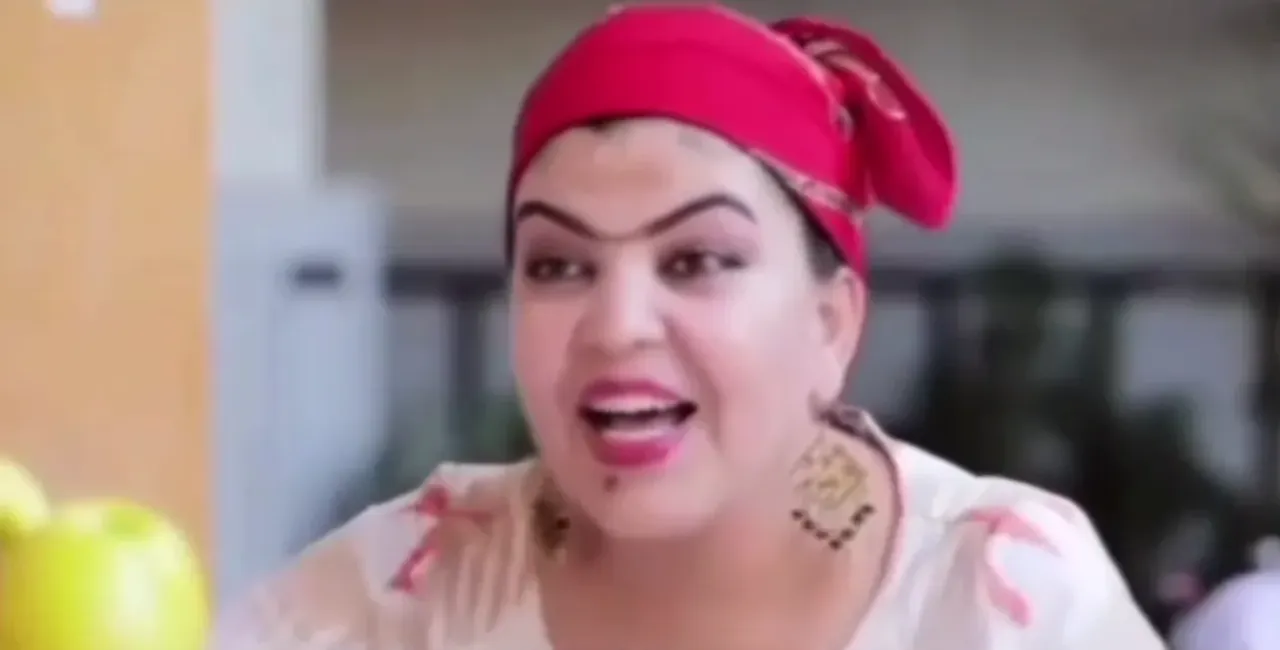
Another video mocking contradictory views on national traditions, matchmaking, and choosing a bride before marriage has truly gone viral on Uzbek social media, sparking heated debates among millions of viewers. Through the character "Sharapat," masterfully portrayed by famous actress Huvaydo, the excessively demanding, contradictory, and illogical criteria that certain mothers-in-law and families impose on a future bride were exposed with humorous and bitter irony.
Sitting on a tapchan (raised platform) and chatting with a matchmaker ("sovchi") and her sister, the character Sharapat lists her unbelievable demands: "Let her be a good girl. Let her be educated, but don't let her act smart! Let her have a sweet hand (be a good cook), but let her be content! Let her know how to give injections and measure blood pressure, but never get sick herself! Let her bring a large dowry, and if she breaks a single dish, let her endure the reprimands! Let her know at least two languages, but keep her mouth shut even if she's right! And then let her know about hardware too — that Makhamjon doesn't even know how to change a lightbulb!"
The scene reaches a perfect punchline when the actress playing the sister shakes a towel in her hand and tries to stop her, saying, "Hey, Sharapat, that's enough!", and the matchmaker concludes, "So basically, you need a girl just like yourself who doesn't distinguish between men's and women's work and does everything." Well, what painful reality in our society lies behind this amusing scene, why are "robotic" demands placed on brides today, and why did Huvaydo's character appeal to everyone alike?
"2 languages, hardware, and endurance": 5 key points of Huvaydo's satire
The most important ironic theses from the video that exploded on the networks:
Mutually exclusive illogicism: Imposing contradictory conditions on a future bride such as "let her be educated, but don't let her act smart," "let her be a good cook, but let her be content";
Medical and household "superheroism": Satirizing the expectation that a girl should know how to give injections and measure blood pressure, yet never have the right to fall ill herself;
Dowry obsession and the habit of blaming: Pointing out that the bride's side is required to have a mountain of a dowry, yet she must endure reproaches and taunts even if a trivial single dish breaks;
Shifting men's work onto women's shoulders: Exposing the expectation that a bride must also understand hardware and home appliances because "the groom was unable to change a lightbulb";
Language proficiency and keeping silence: Ironically showing that a modern girl who knows at least 2 foreign languages must "bite her tongue" and stay quiet even when she is right.
Satire and societal reality: Comparison of Sharapat's "demands" with real life
Analysis of ironic criteria portrayed by actress Huvaydo and stereotypes in national families:
Ironic demand in the satire | The underlying true social issue | Consequence in society |
"Let her be educated, but not act smart" | The complex of not acknowledging a woman's knowledge and opinion | Inability of higher-education-holding girls to voice their opinions |
"Let her know injections/blood pressure, but not fall ill" | Treating a bride not as a person, but as a free nurse and servant | Early deterioration of women's health and severe exhaustion |
"Let her know 2 languages, but keep her mouth shut" | Expecting absolute obedience without valuing modern girls | Emergence of psychological pressure and an unhealthy atmosphere in the family |
"Let her dowry be large, let her endure if a dish breaks" | The vice of wedding expenses and financially breaking the bride's side | Breakup of new families due to dowry obsession |
"Let her even change a lightbulb (hardware)" | Disappearance of the breadwinner's and man's responsibility | The woman solely bearing both household chores and repairs |
Cultural and social expertise: Why did this satire lead Discover trends?
Conclusions of culturologists, psychologists, and public activists:
A national issue that "makes you cry while smiling": Huvaydo's performance is not just a vine or another joke; it accurately reflects the hypocrisy present today in thousands of households marrying off daughters and welcoming brides;
Idealization of the "ideal robot-bride": When searching for a bride, some families still look at her not as a human being or someone's pampered child, but as a lifeless robot that performs all tasks flawlessly, never rests, and demands nothing;
Vividness and sincerity of the character: The character Sharapat, with a red scarf tied around her head and usma applied to her eyebrows, perfectly reflects the type of loud, strong-willed woman in Uzbek neighborhoods who resolves everything herself, but at the same time weakens men;
Educational significance and mirror of society: Showing people through satire how funny and illogical the demands are that they live with is one of the most effective ways to change society.
Huvaydo's satirical role once again reminded us that in modern marriage and family relations, we must abandon false demands and put mutual respect and humanity first.
In your opinion, does the vice of searching for such a bride who is "educated, but also changes lightbulbs herself" satirized by actress Huvaydo truly occur in our real life today? Which qualities do you consider most important for a bride and groom during matchmaking? Leave your thoughts in the comments and share this instructive article with your loved ones, which every mother-in-law and bride must watch!



Comments 0
…