


Uzbekistan Resumes Gold Exports and Generates Revenue
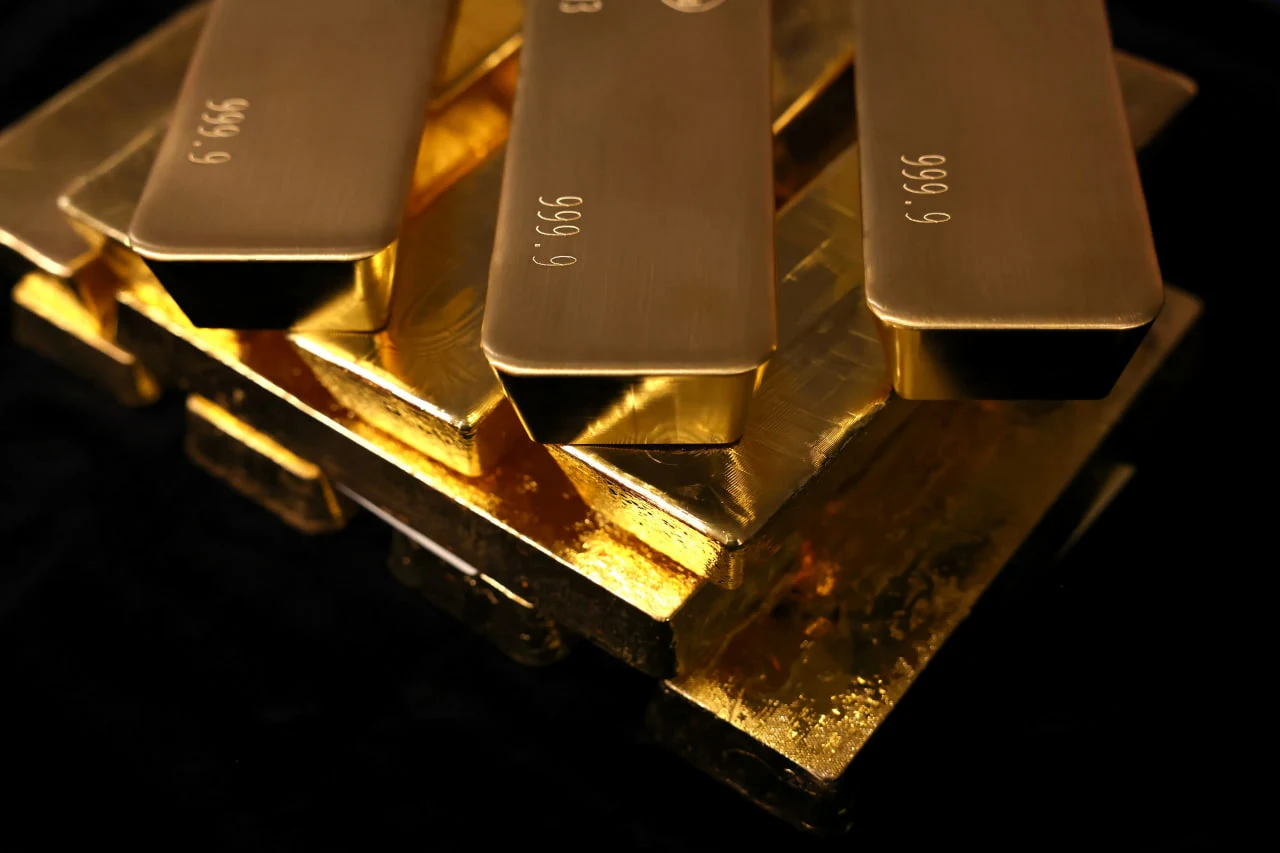
After a six-month hiatus, Uzbekistan has resumed gold exports. According to the National Statistics Agency, the country exported $1.5 billion worth of non-monetary gold in the first four months of this year.
It appears that the bulk of this export occurred in April. This indicates that Uzbekistan has been monitoring the precious metals market and resumed sales at an opportune time.
Uzbekistan is among the countries that produce nearly 130 tons of gold annually. Therefore, gold is a vital strategic resource for the country's economy. It not only boosts export revenues but is also significant for budget stability and foreign exchange reserves.
After September 2025, Uzbekistan had effectively halted gold exports. During this period, the Central Bank became one of the world's largest buyers of the precious metal. In other words, the country prioritized strengthening reserves over exporting gold to foreign markets.
Experts point to several key reasons for this decision. First, gold prices in the global market reached record highs. In such a situation, strategic waiting can be more beneficial than hasty selling. Second, increasing gold and foreign exchange reserves is considered an important task for economic security.
Gold acts as a unique "safety cushion" in the Uzbek economy. When uncertainty in global markets increases, currencies fluctuate, or external trade conditions change, gold reserves help maintain the country's financial stability.
From this perspective, the temporary suspension of exports was not detrimental to Uzbekistan; on the contrary, it appears to have been a well-thought-out strategy. Since resuming exports, the country has generated $1.5 billion in revenue in a short period.
This situation once again demonstrated the importance of timing in the gold market. Resuming exports in an environment where precious metal prices are high can have a significantly positive impact on budget and foreign exchange inflows.
In short, Uzbekistan resumed gold exports after a six-month break and sold $1.5 billion worth of non-monetary gold in the first four months. The pause strategy did not harm the country; rather, it allowed for the strengthening of reserves and generating revenue from exports at a favorable time. Gold here is not just a metal, but what we might call the economy's "reserve mode."



Comments 0
…