


A revolution in Uzbekistan's metallurgy: An end to the "shadow" scrap metal market
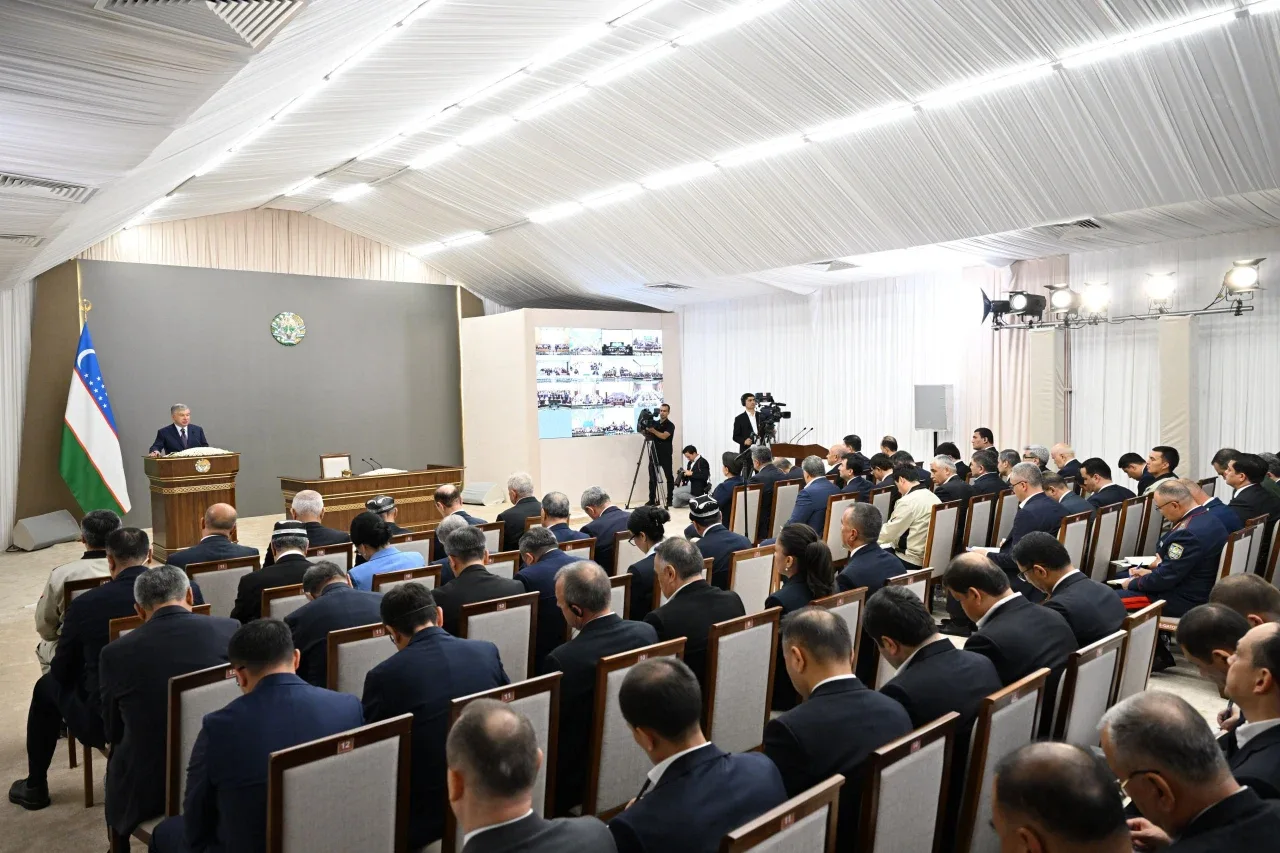
Ferrous metallurgy is the primary source of raw materials for economic sectors totaling $50 billion, including construction, automotive, mechanical engineering, and energy. At a meeting chaired by President Shavkat Mirziyoyev, critical tasks were set to address import dependency and logistics problems in the sector, as well as to fully digitize the industry. Zamin.uz presents the most important details of this strategic meeting.
How will the demand for metal change?
To reach a GDP of $240 billion by 2030, the country must ensure an annual growth rate of at least 8-9 percent. Due to large-scale construction and industrial projects, the demand for metal products is growing rapidly.
Period and major projects | Demand for metal products |
Last 10-year indicator | Demand has tripled, reaching 5.5 million tons. |
New NPP, 4th copper processing plant, and copper smelter | These facilities alone require nearly 2.5 million tons of steel plate and rebar. |
Forecast until 2030 | Annual demand will increase 1.5 times, exceeding 8 million tons. |
"E-lom" platform to launch on August 1
Today, the Bekabad Metallurgical Plant covers 40 percent of its rolled metal needs from secondary metal (scrap), while the remaining 60 percent is covered by imports. However, it has become clear that a large volume of raw materials in the domestic market remains uncontrolled.
Eliminating the shadow turnover: While 700,000 tons of ferrous scrap are delivered to the plant annually across the republic, another 500,000 tons of scrap metal remain in the shadow market.
To fundamentally change this situation, the following measures have been set:
"E-lom" platform: To be launched on August 1, it will monitor all processes related to the turnover of ferrous metals in real-time.
New Project Office: This structure, to be established within the government, will analyze the metal market daily and maintain a digital passport reflecting the quality and composition of the products.
1.5 billion ton reserve: Deposits and import chain
In Uzbekistan, the following major steps will be taken to develop existing iron ore reserves and centralize the import of raw materials:
"Surun-ota" deposit: An agreement has been reached with Chinese partners to obtain 650,000 tons of iron raw materials per year. Iron concentrate will be delivered to the plant starting from 2027.
"Tebinbulak" deposit: It will be commissioned in the next 3-4 years, creating the capacity to produce 1 million tons of steel per year.
Import from Tajikistan: A contract to purchase 700,000 tons of raw materials annually will be finalized shortly, and imports will begin next year.
Private sector activity: An enterprise in Samarkand is ready to invest up to $500 million in extraction if granted an iron deposit. The Bekabad plant will develop the 32-million-ton "Temirkon" resource in Farish.
In addition, manganese and ferrosilicon fields, which are necessary to improve iron quality, will be analyzed using artificial intelligence, and a new geological program will be developed within one month.
$200 million support for private enterprises
Today, about 150 medium and small private metallurgical enterprises are operating in the country. To ensure their stable supply of raw materials, a separate company will be established to centralize the import of raw materials from abroad. Notably, $200 million will be allocated to this new company, and imported raw materials will be sold to the private sector transparently only through the exchange.



Comments 0
…