


USA in the Flames of War with Iran: Trump Issues Surprise Order, Drones Used for the First Time
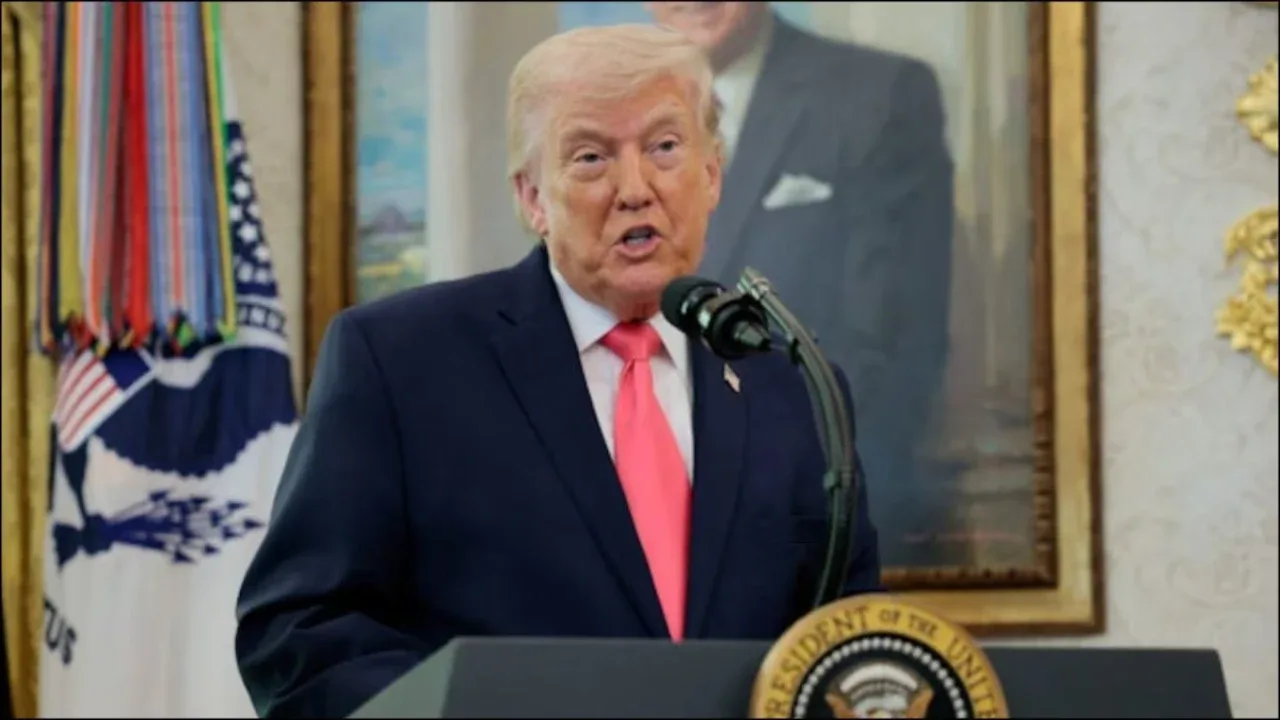
The situation in the Middle East has escalated once again. U.S. President Donald Trump's secret strikes on Iranian territory and new military operations in the Strait of Hormuz have complicated the political conflict between the White House and Congress. At the same time, a new type of weapon was tested in military clashes for the first time in human history.
Get the latest and most urgent details on the situation in Zamin.uz review.
Constitutional war between Trump and Congress
The New York Times reports that in an official letter to Congressional leaders on July 10, Donald Trump stated that U.S. forces had carried out "defensive" strikes on a number of targets within Iran. This letter, which became public on July 13, reignited the long-standing dispute between the White House and the legislative branch.
The essence of the conflict: Both houses of the U.S. Congress had previously passed resolutions requiring the president to obtain formal approval to initiate or continue military operations. However, the White House claims that Trump, as Commander-in-Chief of the Armed Forces, has the right to act independently within his constitutional powers.
Military operations: Sea drones used for the first time in history
U.S. Central Command (CENTCOM) has launched large-scale military pressure against Iran. In recent days, the following emergency military actions have been carried out:
Third night operation: On July 13 at 16:45 Washington time, following a direct order from Trump, a new round of airstrikes against Iranian armed forces began. The goal is to eliminate Iran's ability to threaten civilian vessels in the Strait of Hormuz.
Naval blockade restored: Starting from the evening of July 14, all ships entering and leaving Iranian ports will be under strict control by the U.S. Navy. Movement remains open for peaceful vessels that do not violate international law.
Historic attack: In the attack on the Iranian naval base in Bandar Abbas on July 12, the U.S. military for the first time used three unmanned sea drones (surface drone boats) for offensive purposes. This was the first such experiment in U.S. military history.
Iran's retaliatory strike and the broken peace treaty
The Iranian side did not leave the U.S. attacks unanswered. According to the country's state broadcaster (IRIB), Iranian armed forces launched strikes on U.S. military bases in Kuwait using unmanned aerial vehicles (kamikaze drones).
However, on June 17 of this year, an agreement was signed between the two countries to cease hostilities and lift the blockade in the Strait of Hormuz. But this peace did not last long:
Date | Chronology of events and clashes |
June 17 | A temporary peace treaty was signed between the U.S. and Iran. |
June 25 | An Iranian drone attacked a civilian tanker in the Strait of Hormuz. The treaty was broken. |
July 7-8 | The U.S. began airstrikes. At the NATO summit, Trump announced that the memorandum with Iran had been canceled and that he would not negotiate personally with Tehran. Oil sanctions were reinstated. |
July 11 | Behind closed doors, Iranian officials blamed "rogue elements." |
July 12-13 | Sea drone attack on Bandar Abbas and the start of the third major U.S. operation. |
Secret talks behind the scenes: "We made a mistake"
No matter how tense the situation is, diplomatic channels have not been completely closed. Reuters reports, citing reliable sources, that Iranian representatives made a surprise statement during secret negotiations held on July 11.
Diplomatic leak: Iranian officials claimed that the attacks on civilian ships in the Strait of Hormuz were not ordered by official Tehran, but were carried out by "certain internal groups that went out of control." An Iranian representative who participated in the negotiations openly stated: "We made a mistake. Let's continue the negotiations now", asking the U.S. to return to the agreement.
So far, the White House has given a firm refusal to this proposal and continues to increase economic and military pressure to the maximum. The fire of war in the Strait of Hormuz, which is considered the most important artery for industry and international trade, could lead to a sharp rise in oil prices on the world market.



Comments 0
…