


Trade reaches $41B in half a year: imports up, exports down
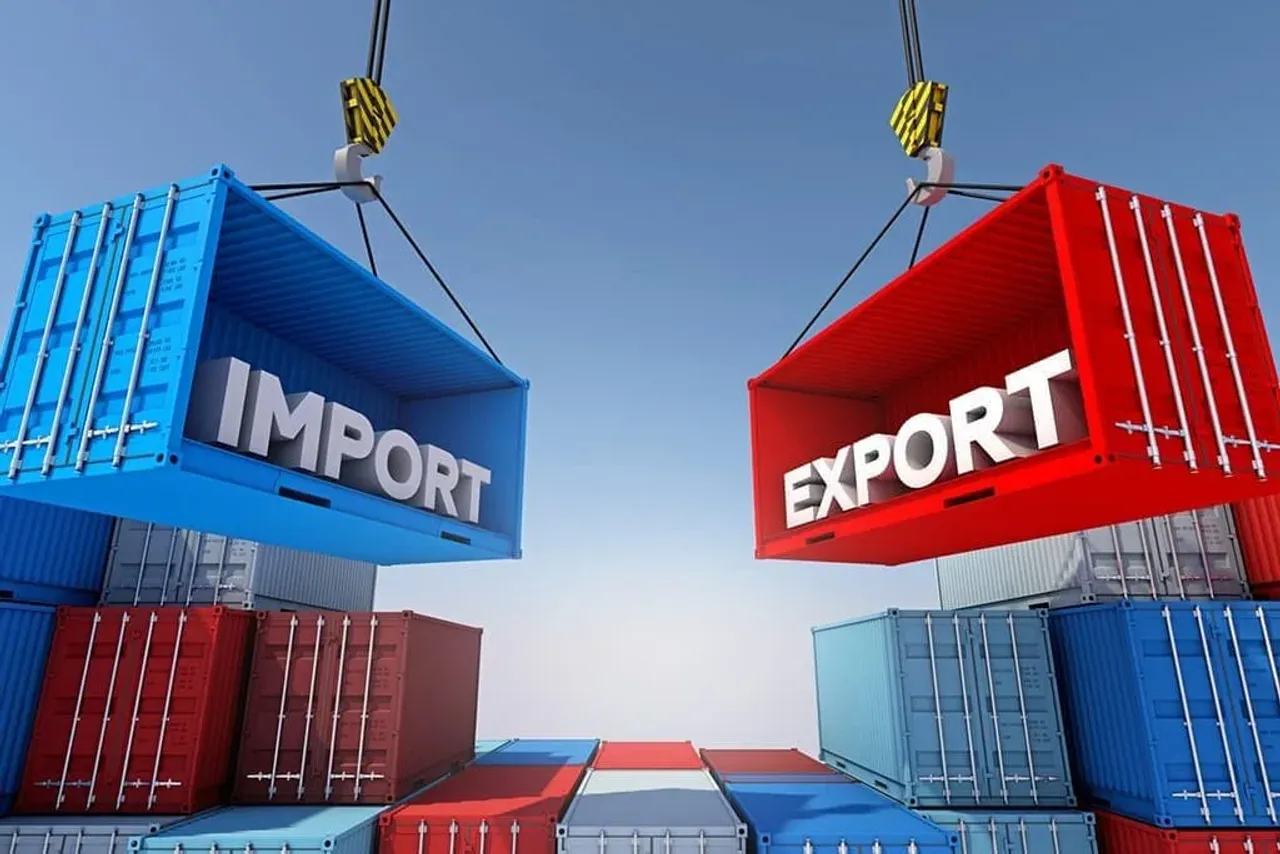
Uzbekistan's foreign trade turnover reached $41 billion in the first half of 2026. Although the overall figure increased by 7.4 percent, there is a sharp discrepancy behind the numbers: imports surged by 21 percent, while exports dropped by 8.8 percent.
At the same time, exports excluding gold recorded a 28.7 percent growth. This became one of the most significant and at first glance less obvious changes in foreign trade.
Foreign trade reaches $41 billion in half a year
According to the National Statistics Committee, in January–June 2026, Uzbekistan's foreign trade turnover amounted to $41 billion.
This is 7.4 percent more compared to the same period in 2025.
Looking at the semi-annual result on a daily average basis, Uzbekistan carried out nearly $226 million in foreign trade operations every day.
However, the overall growth of foreign trade does not mean that the same trend was observed in both exports and imports.
Imports grew by 21 percent, while exports decreased
During the reporting period, foreign trade indicators shaped up as follows:
exports — $15.9 billion, a decrease of 8.8 percent;
imports — $25.1 billion, an increase of 21 percent.
Thus, imports exceeded exports by $9.2 billion. This means that a negative balance was formed in the foreign trade balance.
Uzbekistan imported nearly $158 worth of goods and services for every $100 of exports.
The sharp increase in import volumes was the main factor in the growth of foreign trade turnover. Meanwhile, the decline in exports limited the overall growth rate.
Unexpected growth observed in non-gold exports
Despite total exports dropping by 8.8 percent, a completely different picture was recorded in the export of goods excluding gold.
Its volume reached $8.2 billion, increasing by 28.7 percent compared to the same period last year.
This result indicates increased activity in the country's non-gold export destinations. In other words, the decline in total exports does not mean that trade in other products has decreased.
The growth of non-gold exports can be an important signal for the following areas:
industrial products;
textiles and ready-made garments;
agricultural products;
food;
chemical and metallurgical products;
high value-added goods.
However, detailed sector statistics are required to determine which product groups contributed the most to the growth.
Uzbekistan traded with 195 countries
In the first six months of 2026, Uzbekistan carried out trade relations with 195 countries worldwide.
The largest shares in foreign trade turnover fell to the following states:
Country
Share in foreign trade
China
23.1 percent
Russia
17.1 percent
Kazakhstan
6.8 percent
Turkey
3.4 percent
Afghanistan
2.6 percent
If these shares are calculated relative to the total turnover of $41 billion, trade volume with China was around $9.5 billion, and with Russia around $7 billion.
China and Russia alone accounted for 40.2 percent of Uzbekistan's foreign trade. Consequently, nearly $4 out of every $10 of the country's foreign trade belonged to these two countries.
What could import growth mean?
A 21 percent increase in imports can simultaneously reflect various processes. For example, purchases of equipment and raw materials for production may have increased, or demand for foreign goods in the domestic market may have intensified.
Therefore, it is incorrect to assess import growth as a negative phenomenon in itself. The main issue lies in the composition of the imported products.
If a large part of imports consists of:
new technologies;
industrial equipment;
production lines;
raw materials and components, it can serve to increase domestic production and exports in the future.
If the growth occurs mainly at the expense of finished consumer goods, this intensifies competition for domestic producers and increases the demand for foreign currency.
### The main intrigue is not in the overall figure
The $41 billion foreign trade turnover shows that economic activity has expanded. However, the most important aspect in the report is not the overall growth.
On one side, imports grew by 21 percent, creating a $9.2 billion gap in the trade balance. On the other side, non-gold goods exports grew by nearly 29 percent.
Now the main task is to sustainably continue the growth in non-gold exports, increase the share of production-oriented goods in the import structure, and improve the balance in foreign trade.
In your opinion, is the sharp increase of imports an opportunity for the economy or a dangerous signal? Leave your thoughts in the comments.



Comments 0
…