


Inhalation: what are the benefits and precautions?
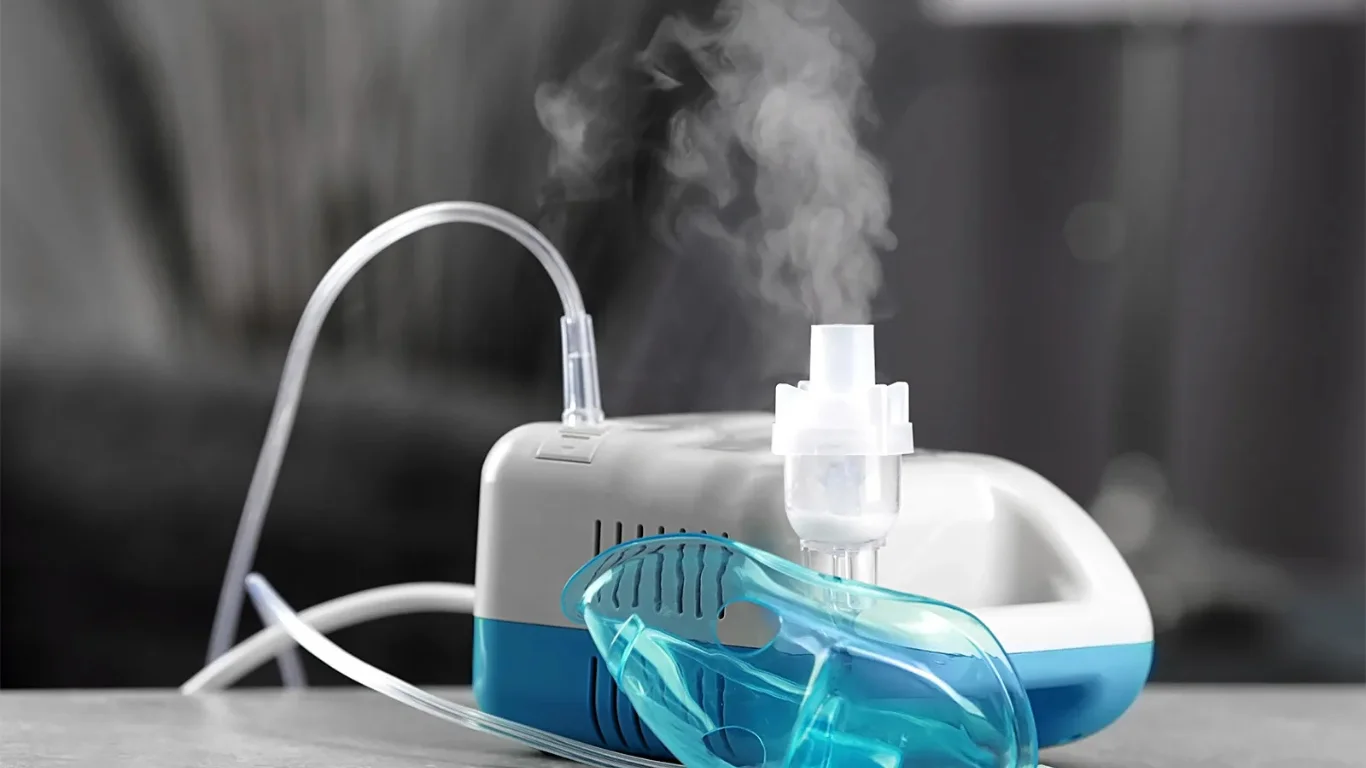
Inhalation is one of the widely used treatment methods for respiratory diseases, based on the direct delivery of medicinal substances to the respiratory tract in the form of steam or aerosol. It is often recommended for conditions such as colds, bronchitis, sinusitis, and asthma.
The greatest benefit is that medications reach the respiratory tract directly and take effect faster. This method places less strain on the body compared to oral medications. It is also considered effective in softening phlegm, reducing nasal congestion, and easing breathing.
However, inhalation is not equally safe for everyone. Steam inhalation performed at the wrong temperature can burn the respiratory tract or damage the mucous membrane. People prone to allergies or those with cardiovascular diseases should not use this method without consulting a doctor.
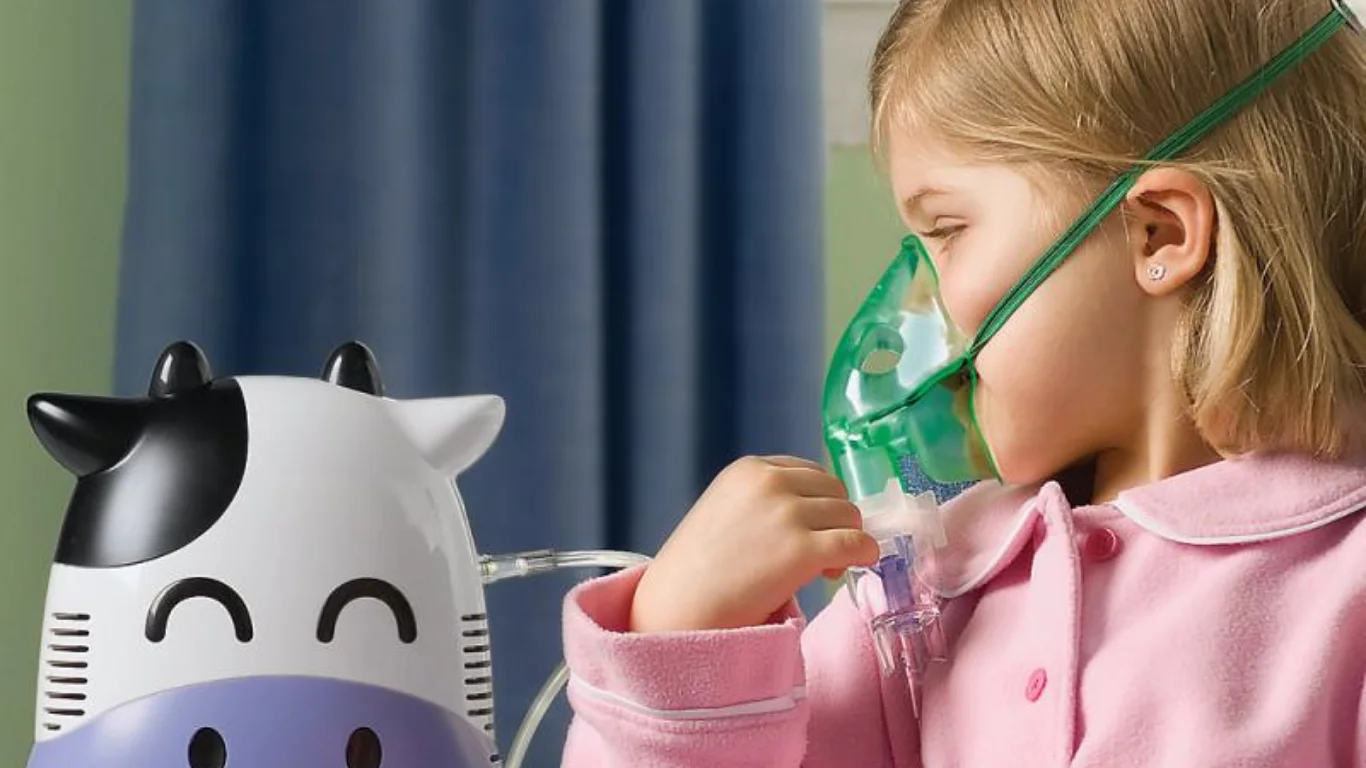
Experts emphasize performing inhalation with caution, especially in children, and only using recommended medications. Arbitrarily adding various essential oils or potent substances at home can also lead to negative consequences.
In conclusion, inhalation is an effective treatment method when applied correctly; however, its uncontrolled and improper use can pose a risk to health.


Comments 0
…