15 essential first aid items that every household should have...
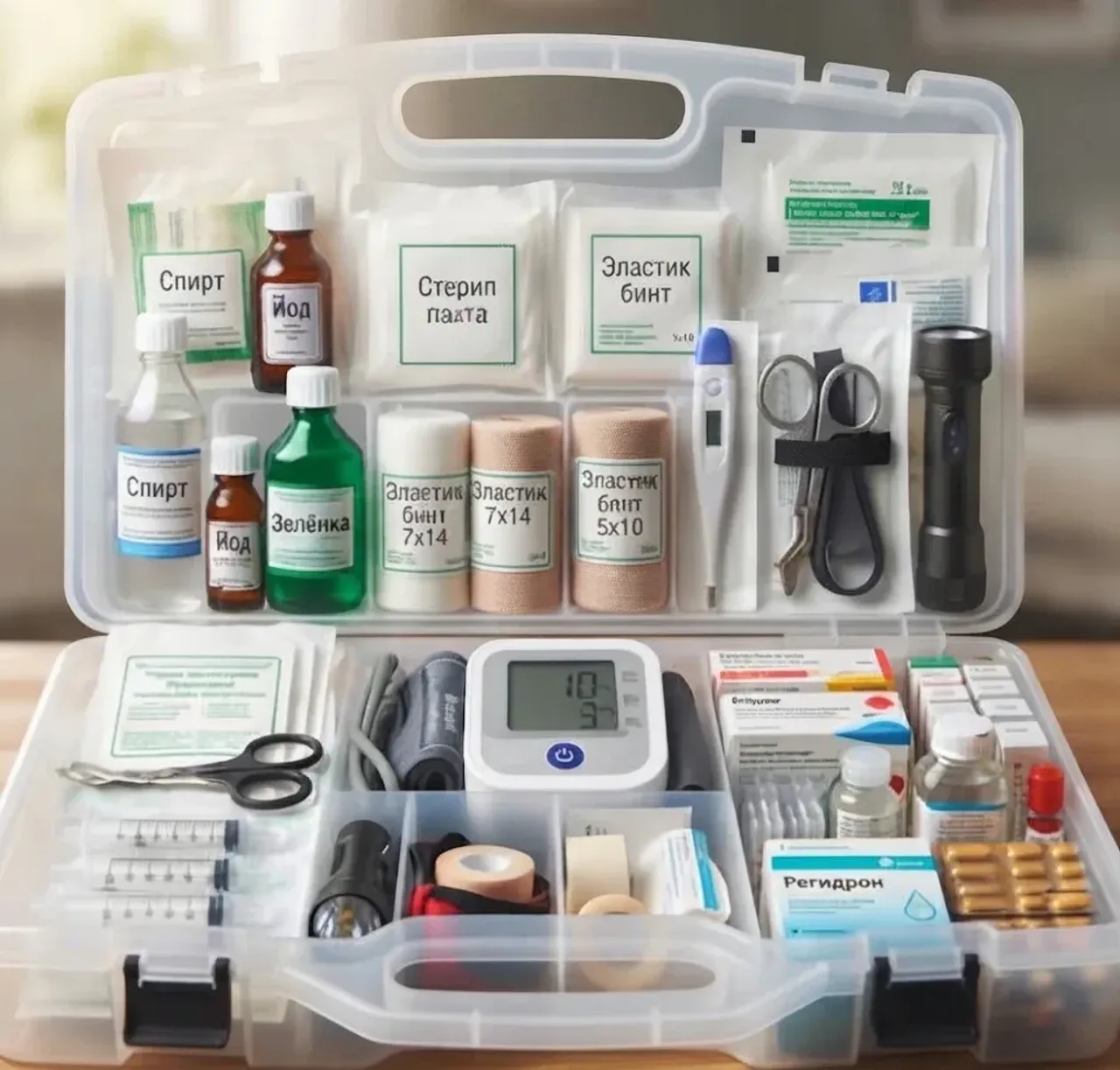
In the event of an unexpected injury, fever, bleeding, or sudden illness, the first few minutes are critical. At such times, simple medical supplies at home can be of great help. However, it is not right to just put any medicine or medical item into a first aid kit. In particular, injections, antibiotics, and blood pressure-lowering drugs used without a doctor's recommendation can cause serious complications.
It is advisable for every household to have a separate first aid kit designed for providing initial care. It should contain the necessary tools to provide first aid for minor injuries, burns, fever, pain, and other conditions that may occur in daily life.
Importantly, a home first aid kit is not a substitute for a hospital or emergency medical services. Its purpose is to provide safe first aid until a doctor arrives or until it is possible to reach a medical facility.
Below, we look at the essential items that are useful to have in every home and the aspects to consider when using them.
1. Essential medical supplies for first aid
1. Sterile bandages and gauze pads
These are needed to cover wounds in case of cuts, scrapes, and other injuries, and to control bleeding through pressure. It is advisable to have sterile gauze pads, bandages, and pressure dressings of various sizes in the first aid kit.
2. Elastic bandage
Used as a wrap for joint sprains, minor injuries, and swelling. However, it should not be wrapped too tightly, as this can impair blood circulation.
3. Adhesive bandages (Band-Aids) and medical tape
These are useful for minor cuts, scrapes, and securing dressings. It is helpful to keep a few regular and waterproof plasters of various sizes.
4. Medical gloves
Wearing disposable medical gloves before helping an injured person reduces the risk of infection transmission through blood and other biological fluids.
5. Medical scissors and tweezers
Scissors may be needed to cut bandages, gauze, and clothing, while tweezers can be used to carefully remove small foreign objects from the skin surface. One should not attempt to remove deeply embedded objects independently.
6. Electronic thermometer
Necessary for determining body temperature. The importance of a thermometer increases, especially if there are children or elderly people in the house.
7. Tonometer (Blood pressure monitor)
In households where people need to monitor their blood pressure regularly, it is useful to have an automatic or manual tonometer. However, one should not confuse identifying high blood pressure with attempting to lower it rapidly on one's own.
8. Flashlight
Useful during power outages, nighttime injuries, or other emergencies. It is also necessary to check its batteries periodically.
9. Tourniquet
This tool can be used for life-threatening, severe bleeding from an arm or leg. However, using it incorrectly can cause serious harm. Therefore, it should only be used in necessary situations and with knowledge of the correct application rules. For simple cuts, the first step is to try to stop the bleeding by applying direct pressure to the wound.
2. What medicines should be in a home first aid kit?
When choosing medications, the age, allergies, existing illnesses, and doctor's recommendations of household members should be taken into account.
10. Pain relievers and fever reducers
Medicines such as paracetamol and ibuprofen are used to relieve pain and reduce fever. However, they should be taken taking into account age, body weight, instructions, and contraindications.
Taking several preparations with the same effect at the same time or combining medicines containing paracetamol creates a risk of overdose.
11. Anti-diarrheal agents and rehydration salts
During diarrhea, the body loses a large amount of water and salt. Therefore, it is useful to have special powders for preparing oral rehydration solutions in the first aid kit, such as Regidron or other ORS products.
The most important task here is to compensate for the loss of fluids and electrolytes in the body. Dehydration can develop rapidly, especially in children and the elderly. If there is bloody diarrhea, high fever, severe weakness, or signs of dehydration, it is necessary to consult a doctor.
12. Anti-allergy medications
Antihistamines used for mild forms of allergic reactions can be kept in the home. However, when choosing which preparation to use, one's age, other medications being taken, and allergy history should be considered.
Symptoms such as shortness of breath, swelling of the tongue or throat, or fainting can indicate a severe allergic reaction. In such a situation, one should not limit themselves to a simple allergy pill but should call for emergency medical help immediately.
13. Throat and oral cavity remedies
Lozenges or locally acting remedies can be used to reduce mild discomfort in the throat. One should pay attention to their composition and age-related restrictions.
3. Items that are not mandatory for a first aid kit, but are kept by many
Lists about home first aid kits often include alcohol, iodine, brilliant green (zelyonka), ammonia, various injections, and antibiotics. However, it is not necessary to keep all of them in every household.
Alcohol and antiseptics. Alcohol-based antiseptics can be used to disinfect skin on hands. However, it is not recommended to pour 70 or 96 percent alcohol into an open wound: it can irritate tissues and interfere with the healing process. Clean running water or a sterile saline solution is preferable for cleaning minor injuries.
Iodine and brilliant green. If there is a need to use them, they should be used according to the instructions. Instead of pouring them into an open wound, the appropriate antiseptic should be chosen based on the advice of a doctor or pharmacist.
Ammonia. Holding ammonia under the nose of a person who has fainted is not considered a safe first aid method. In such a case, it is important to check if the person is breathing, place them in a safe position, and call an ambulance if necessary.
Syringes for injection. It is not necessary to keep 2, 5, or 10 ml syringes in every home. Especially without medical knowledge and skills, attempting to give an injection can lead to infection, incorrect dosage, and other complications.
Injectable blood pressure-lowering drugs. It is dangerous to use magnesium sulfate, dibazol, and papaverine solutions at home on one's own. A sharp drop in blood pressure, fainting, and other severe complications can occur. In case of high blood pressure, it is necessary to assess the patient's condition and follow the doctor's advice.
Antibiotics. It is not right to keep them in a first aid kit "just in case" and take them without a doctor's prescription. Antibiotics are used only for specific bacterial infections and under the guidance of a medical professional. Misuse can increase antibiotic resistance.
4. How to store a home first aid kit?
Having the necessary supplies in the kit is not enough. Storing them correctly is also important.
Store medicines in a dry, cool place away from direct sunlight.
Keep the first aid kit in a place that is out of reach of children but can be quickly found by adults.
Keep medicines in their original packaging with the instructions.
Do not use expired preparations.
Replenish used or depleted dressing materials in a timely manner.
Check the first aid kit every six months to monitor expiration dates and storage conditions.
Keep personal medications of household members separate from general first aid supplies.
It is also useful to have a paper with the phone numbers of emergency medical services, the family doctor, and the nearest medical facility next to the first aid kit.
5. In what situations should you not attempt to treat at home?
First aid supplies help in cases of minor injuries and some simple conditions. However, in certain symptoms, one should call for medical help without wasting time:
Severe or uncontrollable bleeding;
Chest pain or a feeling of pressure;
Difficulty breathing;
Fainting or loss of consciousness;
Facial drooping on one side, sudden weakness in limbs, or speech impairment;
Severe allergic reaction and throat swelling;
Serious burns, fractures, or head injuries;
Signs of severe dehydration in a child or elderly person.
In such situations, attempting to solve the problem independently with home medicines is dangerous. In Uzbekistan, you can call 103 to request emergency medical assistance.
Conclusion: it is important to have the right supplies in the first aid kit, not just many medicines
Having a first aid kit in every household is not just a simple precaution, but an important preparation for the safety of family members. However, filling the kit with various injections, strong preparations, and antibiotics does not increase its effectiveness.
The best approach is to keep sterile dressing materials, gloves, plasters, scissors, a thermometer, necessary personal medications, and rehydration supplies, to know the rules of providing first aid, and to consult a doctor in case of dangerous symptoms.
Because in an emergency, sometimes it is not the most expensive medicine that saves a person's life, but the correct and timely first aid provided.

No ads with a subscription
Zamin Premium — 4 900 UZS a month


Related news


Comments0
…