


Is it safe to eat a blackened banana?
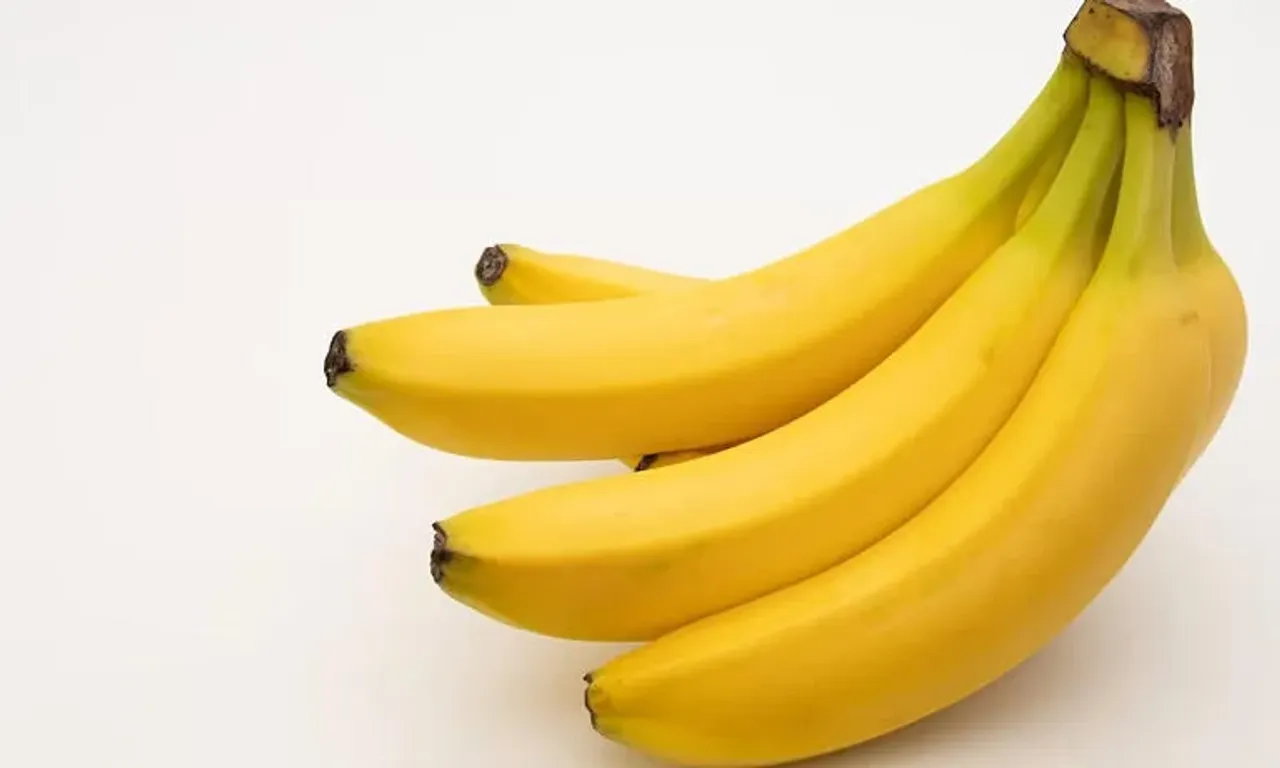
The darkening of a banana peel does not always mean the fruit has spoiled. It is a natural process for a ripening banana to change color and soften. However, the appearance of mold on the peel, a bitter or rotten smell coming from the fruit, or the inside turning black may indicate that it is unsafe to consume, reports the MSN website.
How to tell if a banana has spoiled?
1. Mold on the peel
Yellowing of the banana peel or the appearance of brown or black spots can be observed during the ripening process. However, if fuzzy white, gray, or green mold appears on the surface, such fruit should not be consumed. Mold is one of the clear signs that the fruit has spoiled.
2. Unpleasant odor or liquid leakage
An overripe banana may have a sour or alcohol-like smell. If the smell resembles rot or if liquid begins to leak from the fruit, it is better to throw it away. Such changes may indicate that the fruit's tissues are breaking down.
3. Darkening of the inside
The darkening of a banana peel is not always dangerous. But if the inside of the fruit also turns black, especially if it has an unpleasant odor or is excessively mushy, consumption is not recommended. The inside of a healthy banana is usually whitish or light brown.
Should you throw away a banana with a blackened peel?
A banana can also turn black due to cold temperatures. For example, storing it in the refrigerator affects the color of the peel, but if the inside of the fruit is not spoiled, this alone does not mean it cannot be consumed.
If the banana has become very soft but shows no signs of mold or rot, it can be used in baked goods. However, if mold, a smell of rot, or liquid leakage is observed, it is better not to take the risk.
When storing bananas, it is necessary to pay attention to their smell and texture along with their appearance. If there are suspicious signs, it is safer not to consume the fruit rather than tasting it to check.



Comments 0
…