


Carcasses of deceased animals to be disposed of in crematoriums
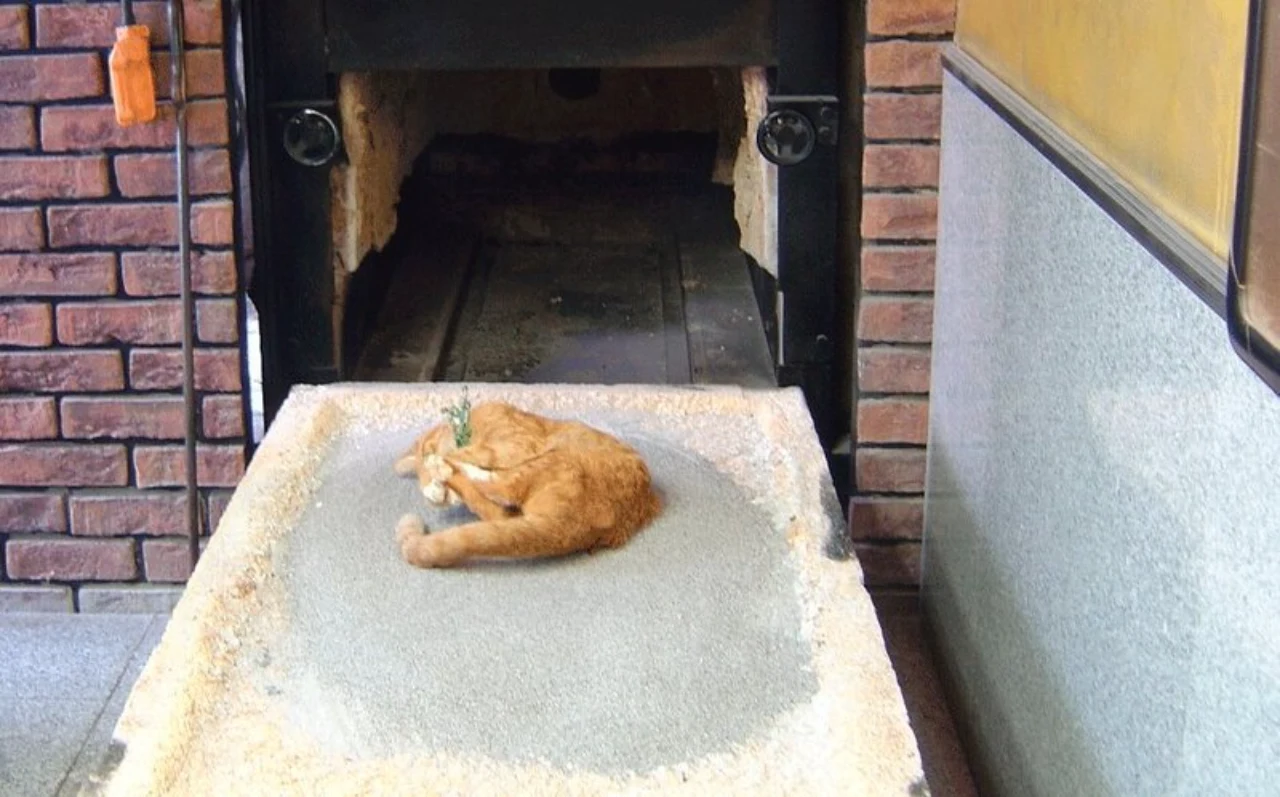
Our country is taking an important step towards preserving environmental purity, protecting public health, and ensuring sanitary-epidemiological stability. A completely new system for the safe disposal of deceased animal carcasses based on modern veterinary, ecological, and sanitary regulations has been developed in Uzbekistan. According to the new draft law, deceased animals will now be neutralized in specially established crematoriums through high-temperature incineration.
This system is of great importance for preventing the spread of various infectious diseases in our cities and villages and for protecting nature. We provide you with detailed information about the important rules and regulations.
What is prohibited and who is responsible for the process?
With the implementation of the new order, outdated methods that harm the ecology will be put to an end. Specifically:
Strict prohibitions: It is strictly forbidden to throw the carcasses of deceased domestic or farm animals into ordinary household waste bins (containers), dump them into water bodies such as rivers and streams, or bury them in undesignated open areas.
Responsible agencies: Animal cremation (incineration) operations will be carried out by district and city landscaping departments under the direct supervision of state veterinary services and Ministry of Ecology officials.
What to do when an animal dies?
If citizens or entrepreneurs encounter the death of an animal, they must follow a specific algorithm of actions:
Step-by-step processes:
Immediate notification: As soon as an animal's death is discovered, it must be reported to the relevant regional veterinary and landscaping authorities.
Documentation: Specialists arriving at the scene will determine the type of animal and the cause of death, and draw up a special official report.
Special control: If it is suspected that the animal died due to a dangerous infectious disease, its carcass must be immediately isolated from others.
Transportation procedure and high-level temperature
The project details the technical aspects of removing and incinerating carcasses. According to it, dead animals must be transported in special airtight (hermetic) bags and containers. The temporary storage period must not exceed 24 hours.
The incineration process in special innovative furnaces at designated locations is carried out at extremely high temperatures ranging from 800 to 1200 degrees. At such heat, any dangerous viruses and bacteria are completely destroyed.
Emergency situations and staff safety
One of the key points of the project is the formation of a separate, rapid response plan for animal disposal in case of unexpected natural disasters, mass diseases (epizootics), or other emergencies in our country. Furthermore, it is mandatory that all personnel directly involved in this high-risk process be provided with 100% protective clothing, masks, and modern disinfection agents.
The introduction of this new system is one of the most correct steps towards ensuring the cleanliness of our cities, the health of our children, and the integrity of our beautiful nature. Let us not be indifferent to the environment and always follow the new rules!



Comments 0
…