


Are additional breaks provided for those working in +43°C heat?
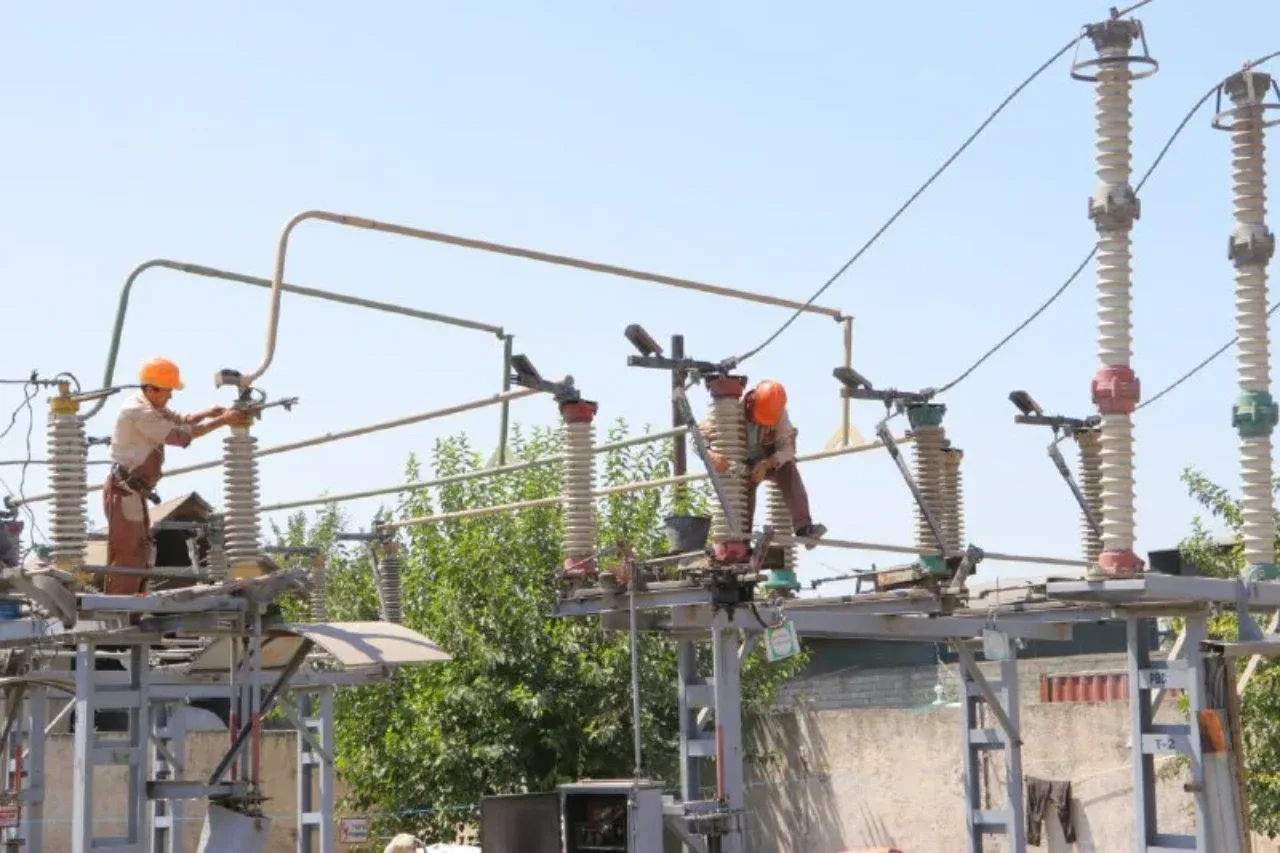
As Uzbekistan continues to experience anomalous heat, the issue of working conditions for employees working outdoors or in non-cooled areas has returned to the agenda. According to legislation, in conditions of extreme heat, certain categories of employees may be granted additional breaks during the workday.
When is it considered "extreme heat"?
In accordance with the law, in the period from May to August, an air temperature of +43 degrees Celsius and above is considered extreme heat.
In southern and desert regions, this threshold is higher: temperatures of +46 degrees Celsius and above are classified as extreme heat.
These figures are not just typical "summer heat." Under such conditions, the body overheats quickly, the risk of dehydration increases, work capacity decreases, and the cardiovascular system faces additional strain.
Which employees may be granted additional breaks?
In extreme heat, additional breaks are primarily important for employees working in heavy or uncomfortable conditions.
This category includes the following:
Category of employees | Why is the risk high? |
|---|---|
Those working outdoors | exposed to direct sunlight |
Those working in non-cooled indoor spaces | air circulation and cooling may be insufficient |
Those engaged in loading and unloading work | physical exertion intensifies the effects of heat |
Construction, road, market, and field workers | forced to be in an open environment for long periods |
In such cases, providing the employee with additional rest during the workday is important for both labor productivity and health.
What conditions must the employer create?
According to the Labor Code, the employer is obliged to provide suitable conditions for rest for employees. In hot conditions, this requirement becomes even more critical.
The employer must organize cool rooms equipped with cooling equipment suitable for rest.
This is not just a matter of "installing an air conditioner." Maintaining the employee's health, safety, and alertness during the work process is the employer's direct responsibility.
Remote work is also possible
Depending on working conditions, the employer may transfer employees to a remote work format in the manner prescribed by law.
This can be a practical solution, especially for tasks performed in an office, online reporting, working with documents, or tasks that can be performed remotely from a technical standpoint.
On such days, if "coming to the office to sit" does not yield results, remote work sometimes preserves both the person and work productivity. If there is Wi-Fi and a task, then for some jobs, there is no need to burn in the sun.
Why is working in the heat dangerous?
In extreme heat, the body loses a lot of fluid and minerals through sweating. This can lead to dehydration, changes in blood pressure, dizziness, and weakness.
This risk is even higher during heavy physical labor, as the person is fighting both the heat and physical exertion at the same time.
Warning signs may include:
• dizziness;
• severe weakness;
• nausea;
• rapid heartbeat;
• excessive sweating or, conversely, cessation of sweating;
• fainting.
If such signs are observed, the employee should be immediately moved to a cool place and medical assistance called if necessary.
What should employees know?
It is important for employees working in extreme heat to know their rights. If there are no conditions for cooling at the workplace, no additional breaks are provided, or working conditions pose a health risk, the employee can contact the employer, those responsible for occupational safety, or the relevant authorities.
However, the most correct path is to resolve the issue internally at the workplace first: submit a written request to management, document the dangerous conditions, and ask for a rest area to be organized for employees.
A signal for employers as well
Protecting employees during anomalous heat is not just humanitarian; it is also business logic.
A tired, dehydrated, and heat-exhausted employee cannot work well. Under such conditions, the risk of errors, injuries, and accidents increases.
Therefore, it is advisable for employers to take the following measures:
Measure | Result |
Providing additional breaks | helps the employee recover |
Organizing cool rest rooms | reduces the risk of heatstroke |
Shifting working hours to the morning or evening | reduces working under the scorching sun |
Providing water | prevents dehydration |
Transferring to remote work | reduces risk and discomfort for office staff |
The main rule: working in the heat must be safe
In Uzbekistan, temperatures of +43 degrees Celsius, and +46 degrees Celsius and above in southern and desert regions, are considered extreme heat. In such conditions, employees engaged in outdoor work, in non-cooled rooms, or in heavy physical labor may be granted additional breaks.
Employers must create cool, suitable conditions for rest for employees, change work schedules if necessary, or consider the possibility of remote work.
Most importantly, working in the heat does not mean "just enduring it." Health must come first.



Comments 0
…