Dangerous fraud traps on Telegram: 6 common schemes deceiving citizens
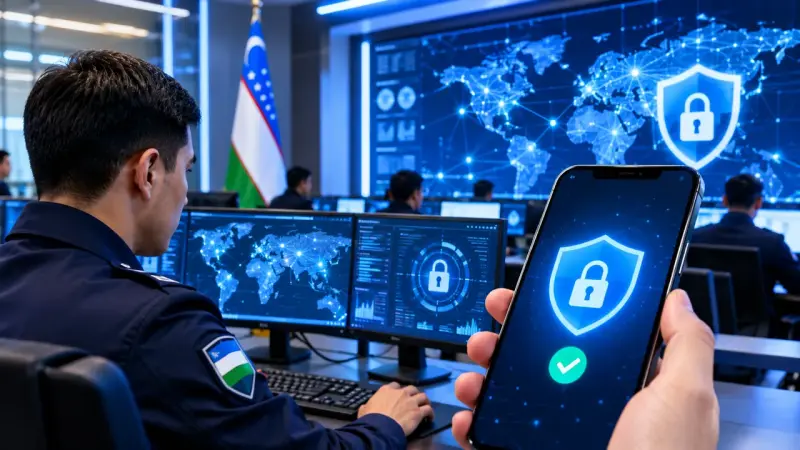
In recent years, cybercrimes and fraud cases committed via the Telegram messenger have increased sharply in Uzbekistan. Citizens are frequently falling into traps involving the theft of personal accounts, unauthorized withdrawal of funds from bank cards, and fake sales and credit schemes. According to the Ministry of Internal Affairs' Cybersecurity Center, the illegal activities of just a few major criminal groups have caused billions of soums in financial damage to hundreds of our fellow citizens.
The most common and dangerous fraud schemes
Law enforcement agencies and industry experts firmly note that citizens in our country are primarily being deceived through the following methods:
Fake contest and voting links: Fraudsters send special phishing links asking users to vote in "Best Father," "Best Mother," or various kindergarten and school contests. Once a user clicks the link and enters their Telegram verification code, their account is fully compromised, and messages requesting loans are sent to all their contacts on their behalf.
Emptying cards via malicious .apk applications: Criminals distribute virus-laden .apk files (e.g., disguised as wedding invitations or new photos) through groups and private chats. It has been determined that nearly 3 billion soums were stolen from the bank cards of 133 citizens through this dangerous method.
Cashing out microloans and credit limits: By promising to quickly cash out low-interest loans or microfinance organization limits via Telegram bots and channels, fraudsters have misappropriated over 1 billion soums from nearly 600 citizens.
"Confiscated goods" and fake shops: Groups that set up fake channels in the name of the State Customs Committee or large trade warehouses, promising to sell phones and household appliances at low prices, have scammed 60 citizens out of 117 million soums.
Messages in the name of government services and officials: Fraudsters create fake profiles in the name of the My.gov.uz portal or ministry and local government officials, obtaining personal information with alarming excuses such as "your account has been blocked" or "law enforcement agencies are interested in you."
Promises to recover lost money: Separate groups have emerged that specifically target people who have already been scammed, offering a "guaranteed recovery of stolen money" service to extract even more funds from the victims.
Type of fraud | Amount of damage or scale | Primary deception method |
Malicious .apk files | 133 citizens, ~3 billion soums | Virus apps disguised as wedding invitations or photos |
Cashing out microloans | Nearly 600 citizens, >1 billion soums | Promise to cash out low-interest loans and limits |
Fake online shops | 60 citizens, 117 million soums | Pretext of selling customs and warehouse goods cheaply |
Voting links | Hundreds of accounts | Fake links for participating in contests and voting |
What to do if you are a victim or have suspicions?
If you or your loved ones have fallen into a fraudster's trap via Telegram, it is recommended to take the following protective measures immediately without wasting time:
Block your bank card immediately: If card details, special codes, or SMS codes have been shared, block the card immediately via your bank's mobile app or call center.
Terminate foreign sessions: Go to the "Devices" section in Telegram settings, immediately terminate all suspicious and unknown active sessions, and set up two-step verification (2FA).
Contact official authorities: Save (screenshot) all correspondence, transfer receipts, and the fraudster's profile link, and file an official report by calling the short number 102 or contacting the MIA Cybersecurity Center.
In your opinion, what other strict measures should be taken to protect citizens from such cyber fraud? Leave your thoughts in the comments!

No ads with a subscription
Zamin Premium — 4 900 UZS a month


Related news


Comments0
…