


The Evolution of Lionel Messi: Five Faces of the Argentine Legend
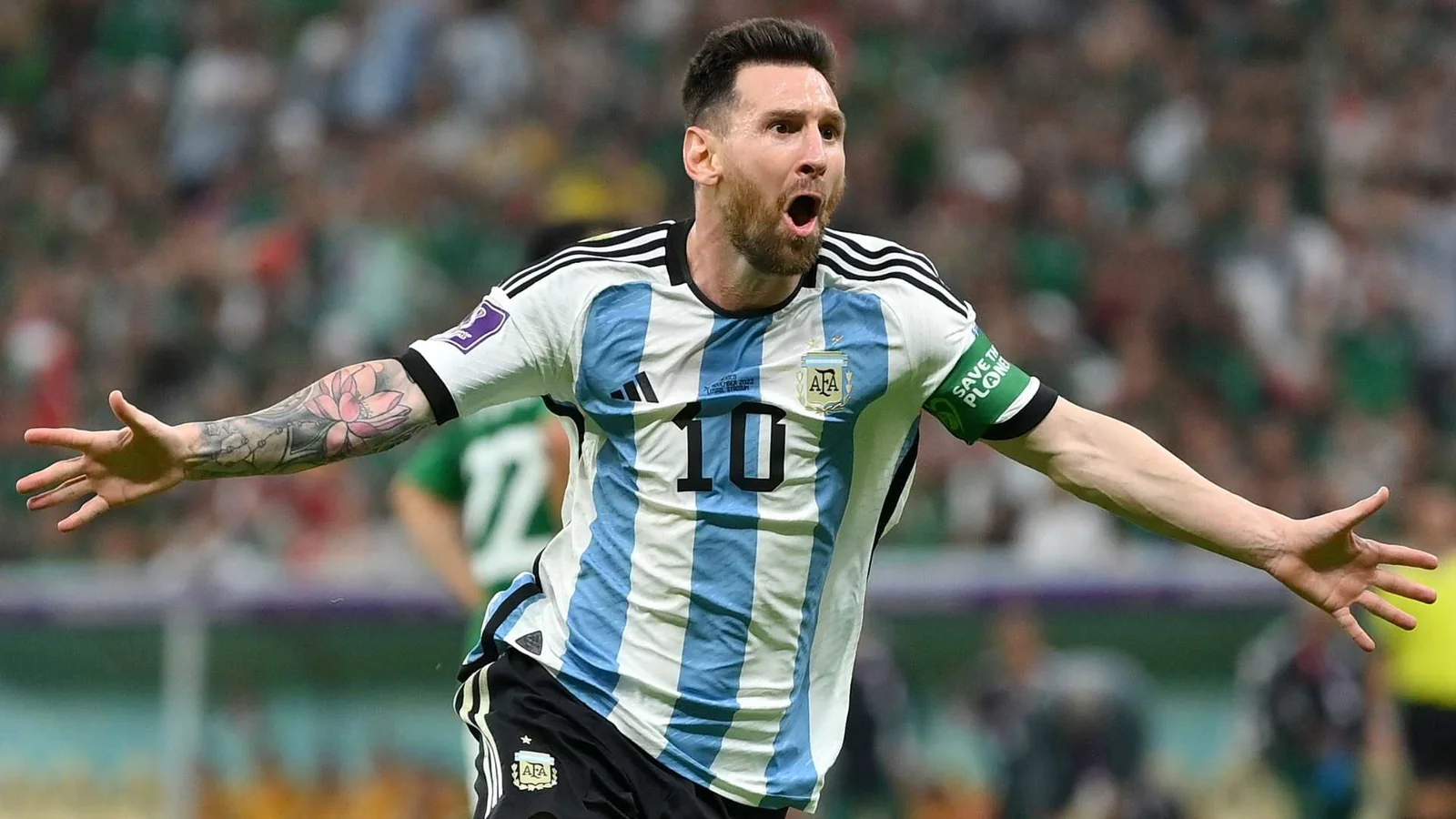
Lionel Messi is preparing for a record sixth World Cup, but today's Messi is worlds apart from the teenager who made his debut for Barcelona. While most stars decline with age, the Inter Miami captain has reinvented his playing style over two decades to stay at the top. At 16, making his debut against Jose Mourinho's Porto, Messi was an explosive winger on the right flank. His ability to cut inside onto his left foot even amazed Ronaldinho, then the world's best player. According to Goal.com reports .
Messi's tactical journey entered a new phase with the arrival of Pep Guardiola in 2008. On May 2, 2009, in a match where Real Madrid was crushed 6-2 at the Santiago Bernabeu, Guardiola deployed Messi as a "false nine." This decision changed football history. Moving into the center in place of Samuel Eto'o, Messi began operating from deeper positions, becoming a nightmare for defenders. "With Guardiola, I began to understand spaces, ball control, and how the game works," recalls Lionel Messi.
Between 2011 and 2013, Messi became a system-breaking player, scoring 96 goals in 69 La Liga matches. He won four consecutive Ballon d'Or awards and lifted the Champions League trophy with Barcelona. After Xavi and Andres Iniesta left Camp Nou, Messi was forced to evolve again. He was no longer just the finisher but became the team's main engine. Moving closer to the center of the pitch, he took on the responsibility of orchestrating the play.
During his spells at PSG and Inter Miami, Messi transformed into a complete playmaker. In the 2019-20 season, he recorded an impressive 25 goals and 22 assists. In France, he provided more assists than goals for the first time in his career. Argentine analysts described him as a "goalscorer turned Iniesta." Although his physical speed has declined, Messi's ability to read the game keeps him one of the most dangerous players in the world.



Comments 0
…